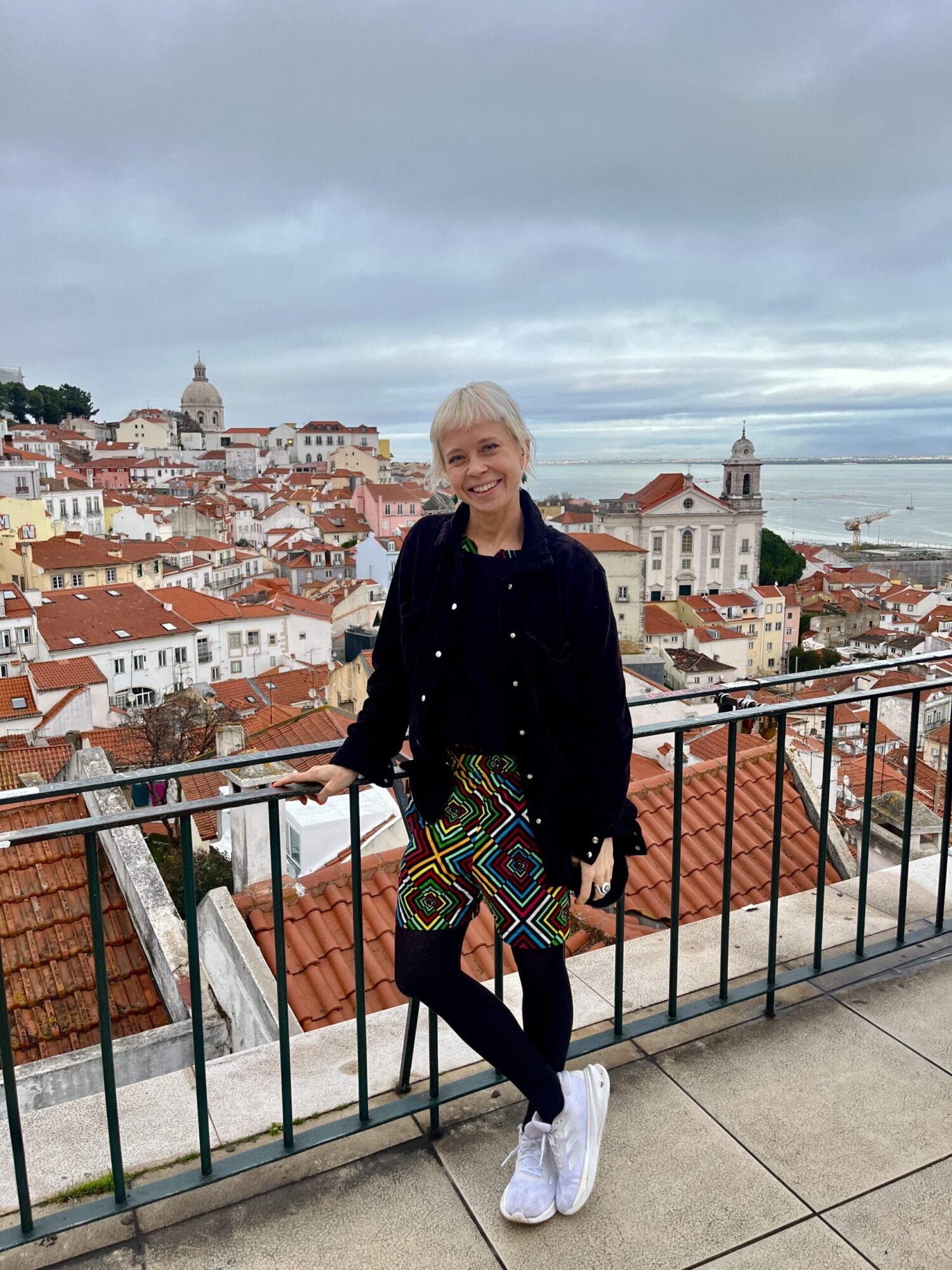
About the Author:
Karoliina Kantola is a PhD student on the Doctor of Social Sciences, Global Development Studies programme at University of Helsinki.
5 January: Arrival in Lisbon
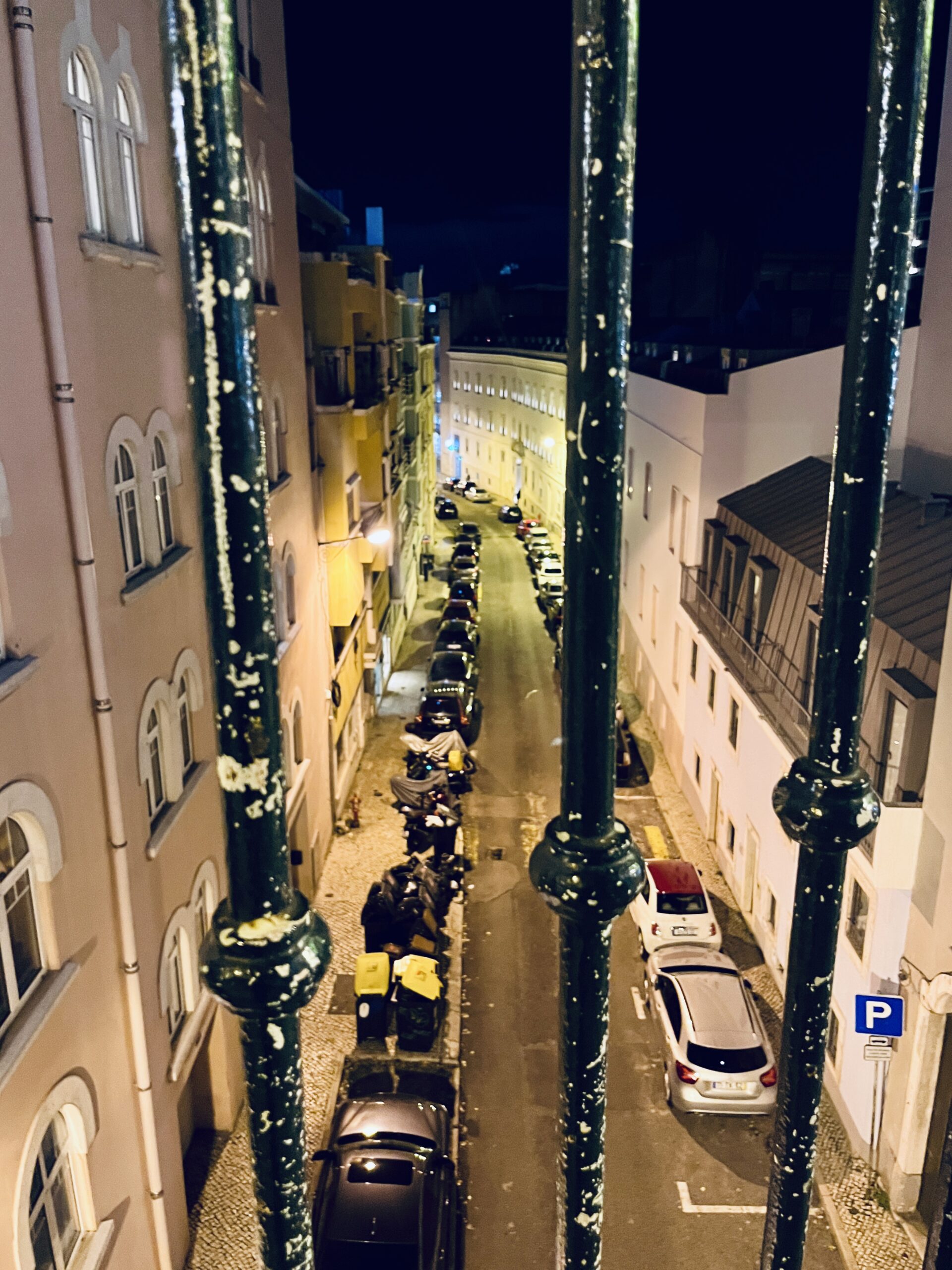
The Nordic countries were covered by snow when I took off to the South on Monday afternoon. I arrived in Lisbon in the evening where it was not too warm either, but definitely warmer than at home. Already in the airplane and the bus on my way to the hotel, I saw how beautiful the city was. After getting to our accommodation, it was late and dark, so I decided to only explore a few blocks around the hotel. I walked down beautiful narrow streets and did some window-shopping to local bakeries selling local delicacies like Pastéis de Nata. I got back to the hotel and read the evening’s latest news. The school would start in the morning, looking forward to meeting the group.
6 January: The first Winter school day
The extremely interesting, although very intense Day 1 welcomed us to topics like courage, resilience, media freedom, performance, and cooperation between journalists. The location, Calouste Gulbenkian Foundation, was a beautiful architectural masterpiece in Portuguese modernist style.
The programme was not any less fascinating. Our team member, Juan Sebastián Rueda Toro, gave us an insight on the crossroads of chemsex, migration in Europe, and digital media. I had heard the term chemsex but knew nearly nothing about it before the presentation. I felt empowered and impressed by Juan’s work which has lots of delicate and personal dimensions besides the academic importance. Another highlight was Patricia Bilimonia-Fernandes’ presentation of David Bowie and Ziggy’s courage to shake gender stereotypes and popular culture.
In her opening words, Universidade Católica Portuguesa Rector, Professor Isabel Capeloa Gil quoted a poem by Denise Levertov.
— Please take
this grain of a grain of hope
so that mine won’t shrink.
Please share your fragment
so that yours will grow. —
7 January: The second Winter school day
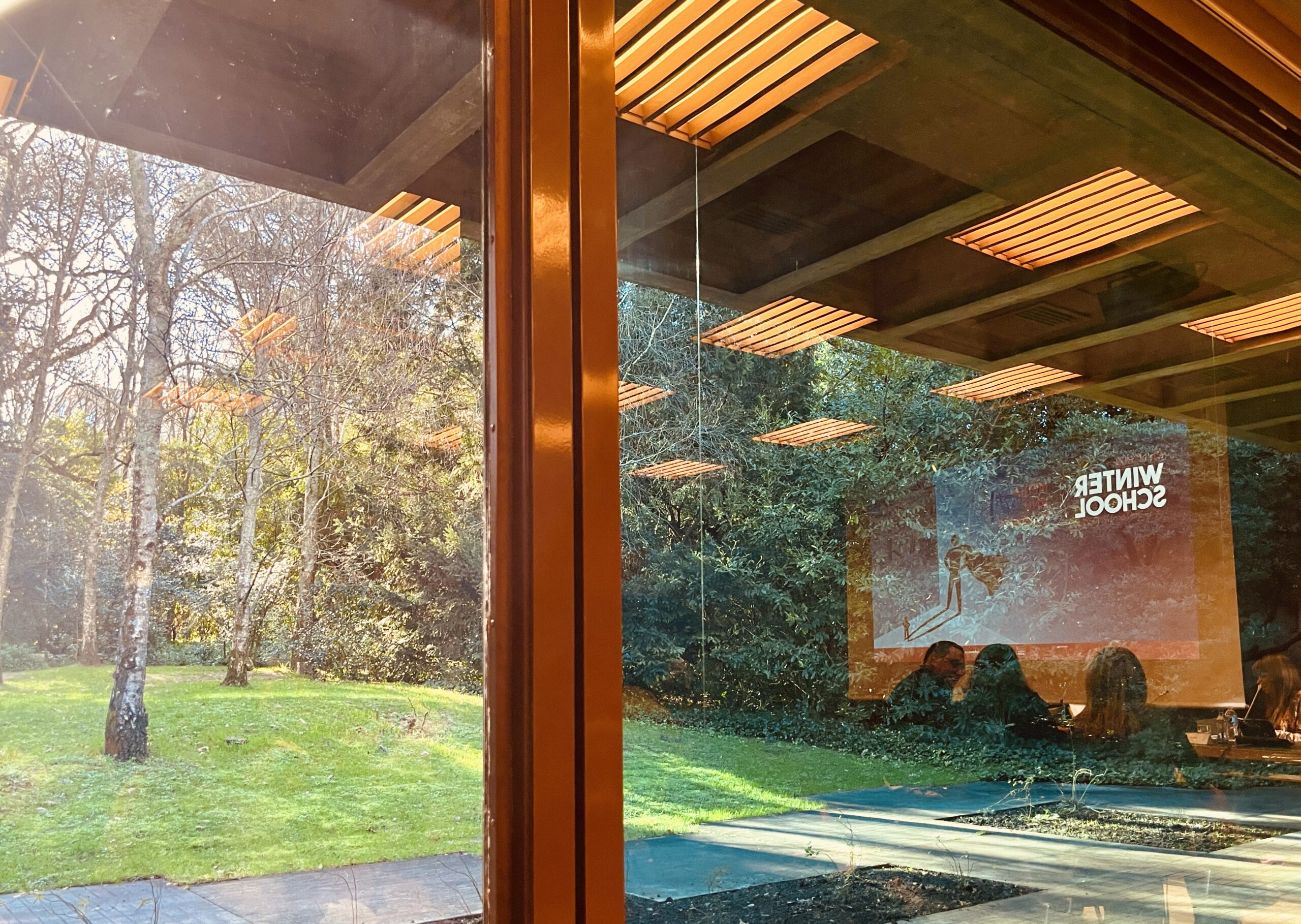
Held at the Universidade Católica Portuguesa library, Day 2 started with a very powerful talk by Patricia Kingori from the University of Oxford. She discussed cases on gender and fake news, more specifically, “fake deaths” of famous or in other ways remarkable women. A very thought-provoking topic that makes us think how cruel (digital) media–and indeed the people using it–can be. The borderline between truth and false has become more blurred. We need to educate each other and our youth so that we can tackle these challenges that are not only a threat to the women who are being reported as “dead” but also to our society.
In the afternoon sessions, we were able to travel to East Asia and Middle East. Sheila B. Lalwani from the University of Texas at Austin told us about Afghan female diaspora media. She has followed closely Instagram accounts operated by Afghan women who have left the country and are now speaking out (within certain conditions). These women support their countrywomen and keep media users generally informed. As a journalist and a PhD student, I was also inspired by her background as a journalist and an almost-correspondent in Afghanistan as well as her current career as a researcher in a leading university.
In the evening, we dived into Brazilian cuisine in a huge food paradise. No one was left hungry at that place. For me, a completely new exploration was a juice that looked like a bean soup but tasted so sweet. Obrigada!
 8 January: The third Winter school day
Resistance and courage derive from cooperation and community. That is what we learn at the beginning of Day 3. Discussing his new book Fighting Polarisation: Shared Communicative Spaces in Divided Democracies, Cherian George from Hong Kong Baptist University showed how grassroots movements can really make a difference. The examples varied from how Zionist and pro-Palestinian students practiced civilised dialogue to how one woman united Muslim and Christian women in Indonesia. The message of the book is to reject the idea that division is inevitable and unavoidable. To fight against polarisation, George challenges us to create co-spaces, increase human connection, and embrace cross-cutting identities.
Later, another great student from the Europaeum group, Janina Hummell, spoke to us about her studies on gender bias in the media coverage of female politicians in EU politics. Her talk included statistics of how female politicians are still under-presented in media and how certain stereotypes and prejudices on leaders persist. Her comparative study of the German and French cases will shed light on the differences within the EU, and perhaps other countries, in the future. It is important to talk how, and how often, media report about female politicians. For some topics, it may be more difficult to find female interviewees due to the fact that the fields are male-dominated – another fact to tackle. But also, media have to be active to engage all genders and really pay attention to the narrative and topics related to female and male politicians.
In the evening, some of us had a lovely walk and a cosy dinner in Alfama. We returned down the narrow and steep roads and balanced on the cobblestones that were little wet after the afternoon rain. Fortunately, the Europeaum team members support each other, metaphorically and literally.
9 January: The fourth Winter school day
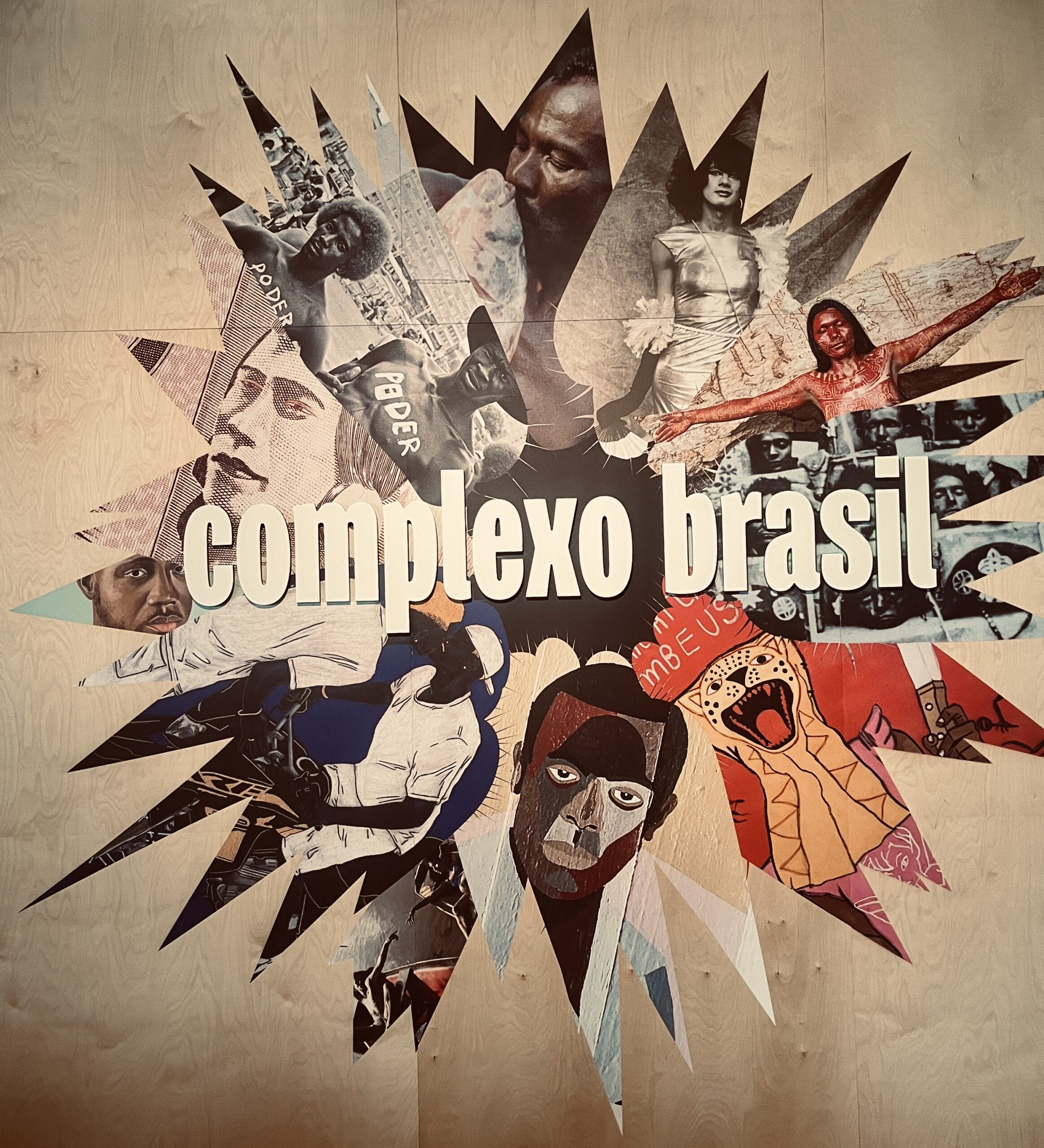
Day 4, the last Winter school day only started at lunch time, so we had time to explore the sea area and museums. A few team members and I went to see an exhibition on the dark history ang legacy of Portuguese colonialism in Brazil, shown at the Calouste Gulbenkian Foundation building. We were impressed. Complexo Brazil exhibition was honest, it showed how colonialism and slavery have left scars that are difficult to heal. Unbelievably unfair politics in the far and near history have negatively impacted the country’s Indigenous peoples, environment, culture, urban planning and alike. But in this tragedy, beautiful stories, art, and music exist. One of the exhibitions captions quotes Davi Kopenawa, Yanomani shaman and spokesperson, who turns down the idea that the Portuguese “discovered Brazil”. He says, “this land was never empty in the past, and it is not empty now!”
Winter School lunch was served in the beautiful dining area of The Centro Cultural de Belém. We could enjoy both sunny view to the sea and delicious lunch. In the afternoon session, we saw a presentation by Yaroslava Kutsai. Our team member compares how two museums, one in Oslo and the other one in Dubai, inform of and indicate environmental issues. Yaroslava’s fantastic PhD work makes us think what role museums have in educating us about the climate crisis. We look forward to hearing more about, for example, where the climate exhibitions are located in the museums, how museums in other countries present climate issues, and what the reasons behind such differences can be.
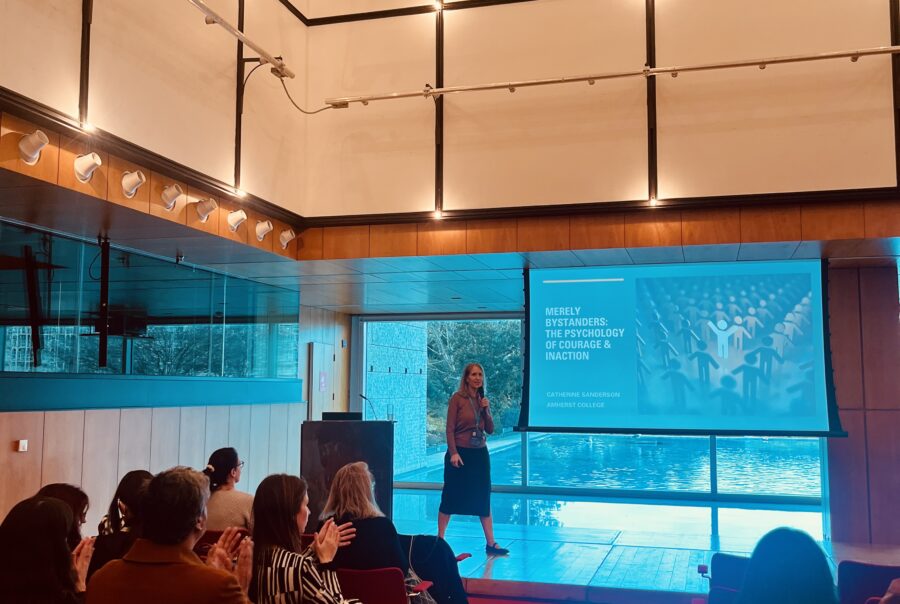
The intense but super interesting week ended with two captivating presentations by Catherine A Sanderson on how we can be courageous enough to support and defend other people in our everyday lives, and by Sarah Jackson who showed examples of courageous Afro-American media through its history. We also heard the theme of the next Winter School in 2027…
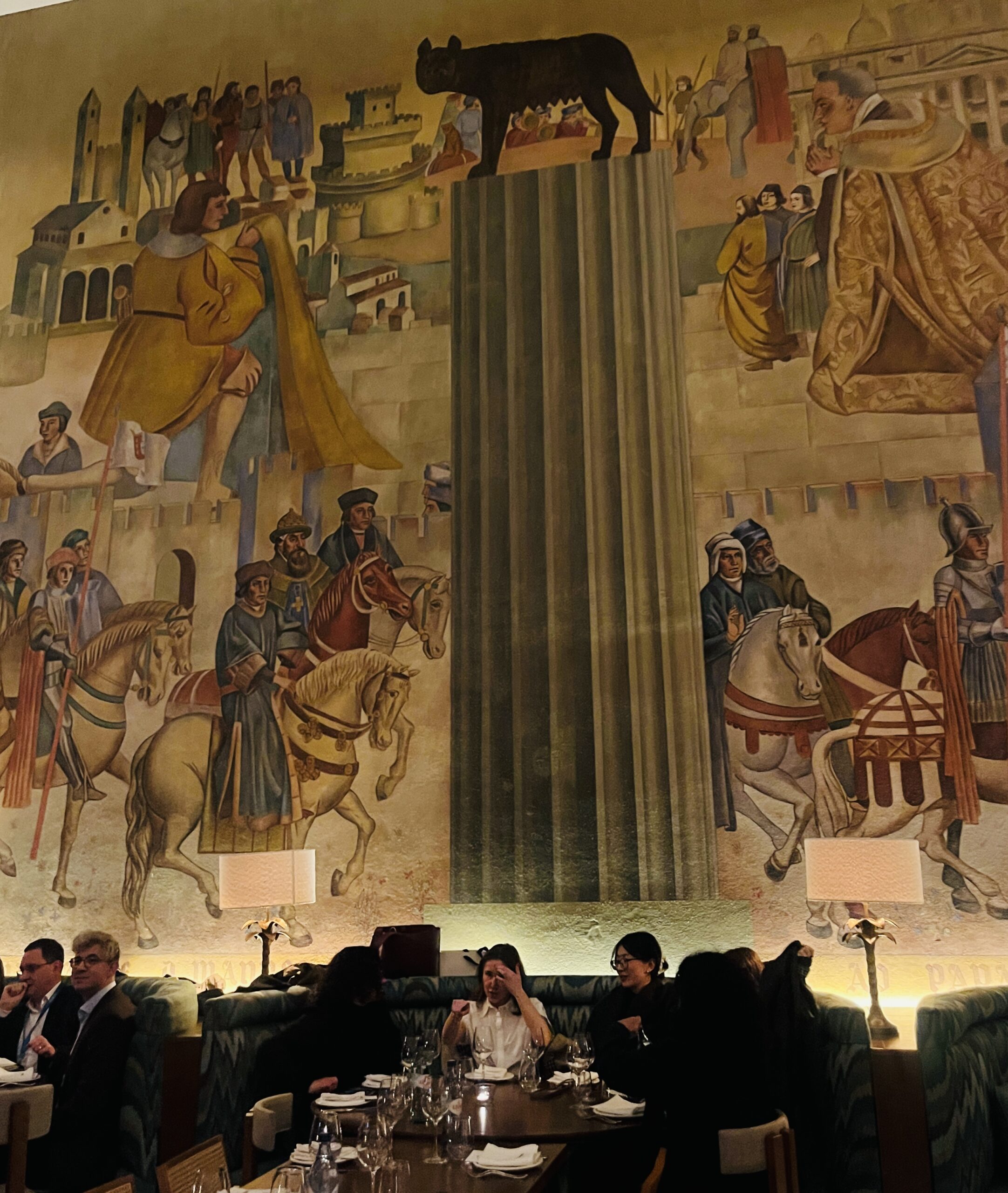
Lastly, we had farewell dinner in the nearby restaurant at Bonança Restaurant. Everyone gathered for the last time to enjoy each other’s company and extremely tasty food and drinks. The restaurant is located in a recently renovated building that has still a valuable historical atmosphere. Grateful to have been part of the Winter school that combined both young talents and established professors in beautiful and inspiring surroundings.