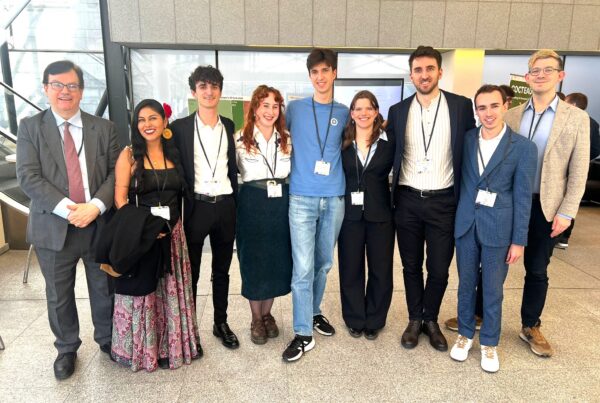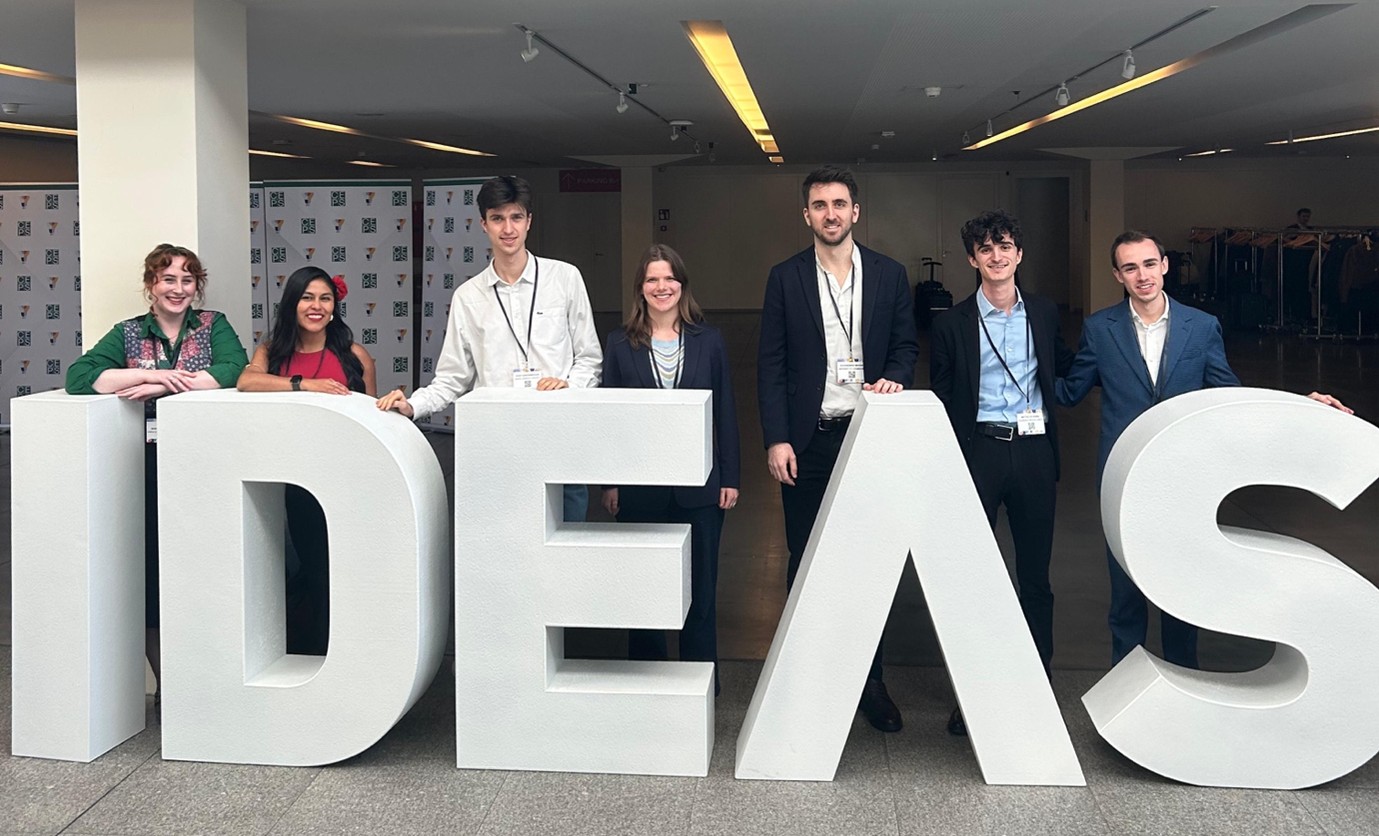
About the author: Charlotte Schomaker, a Double Master’s degree student in European Affairs and Political Sciences at Sciences Po Paris and Freie Universität Berlin wrote about her experience attending the CEPS Ideas Lab 2026 conference in a group with nine other students from Europaeum member universities. The event took place from 2-3 March 2026 in Brussels. Charlotte is pictured third from the right on the photo above.
CEPS Ideas Lab Report – Charlotte Schomaker
Attending the CEPS IdeasLab in Brussels was an exceptionally enriching and inspiring experience for me as a political science student specialising in European affairs. Founded in 1983, CEPS is one of the leading think tanks dedicated to EU policy and serves as an important forum for debate. The Ideas Lab brought together a wide range of experts, policymakers, academics, and students to critically reflect on Europe’s current challenges and future direction.
What stood out most to me was the remarkable spectrum of topics addressed throughout the event. The discussions began with fundamental democratic principles, such as the importance of freedom of expression and the urgent need to combat hate speech. From there, the focus expanded to the European Union’s role on the global stage, including debates on how the EU can strengthen its position as a geopolitical actor and develop into a more coherent and effective security union. At a later time, key internal issues, such as the functioning and future of the single market, were explored in detail. The Ideas Lab thus highlighted how intertwined the EU’s internal and external policy areas are.
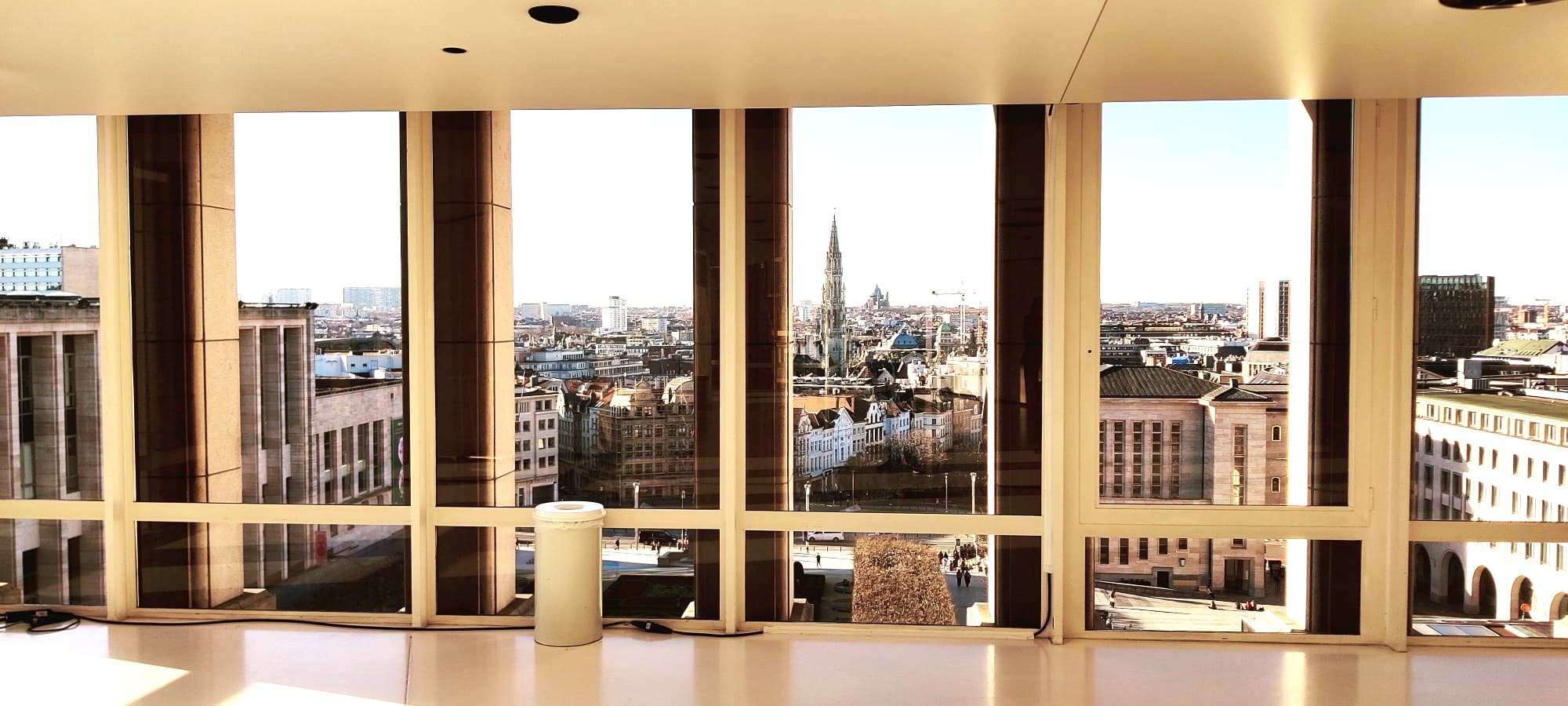
Photo taken by CEU Erasmus Mundus Master in Environmental Sciences, Policy and Management student, Daan Vandenberghe, also attending the Ideas Lab with the Europaeum group.
Another particularly valuable aspect of the Ideas Lab was the diversity of perspectives represented. Listening to high-level EU officials, including the Commissioner for Human Rights from the Council of Europe and the Commissioner for Defence and Space from the European Commission, offered a unique and direct insight into the priorities, challenges, and strategic thinking within the European institutions. These contributions were complemented by international perspectives, such as those of Professor Susan Strossen from the New York Law School and Professor Ricardo Hausmann from the Harvard Kennedy School. Their contribution underscored how European developments are perceived beyond the continent. In addition to policymakers and academics, the presence of Members of the European Parliament and journalists ensured a dynamic and multifaceted exchange of ideas.
Particularly impactful were the smaller seminar sessions, which created space for direct dialogue. Insights from Lina Gálvez, co-rapporteur for the EU’s next Research and Innovation Framework Programme (FP10), enhanced my understanding of the internal dynamics of the EU legislative process. Furthermore, the opportunity to exchange with experts like Professor Manuel Heitor, former Minister for Science, Technology and Higher Education of Portugal, deepened my understanding of the crucial relationship between science, communication, and democratic governance. As someone who aspires to contribute to the work of the European Union in the future, I found these insights especially valuable.
Moreover, the Europaeum enabled me to engage with students and young professionals from diverse academic disciplines and national backgrounds. This encounter showed me the value of interdisciplinary and cross-cultural dialogue when addressing complex European and global challenges. Overall, participating in the CEPS Ideas Lab also reinforced my motivation to pursue a career related to European policymaking. I am very grateful to the Europaeum for giving me the opportunity to attend this event.
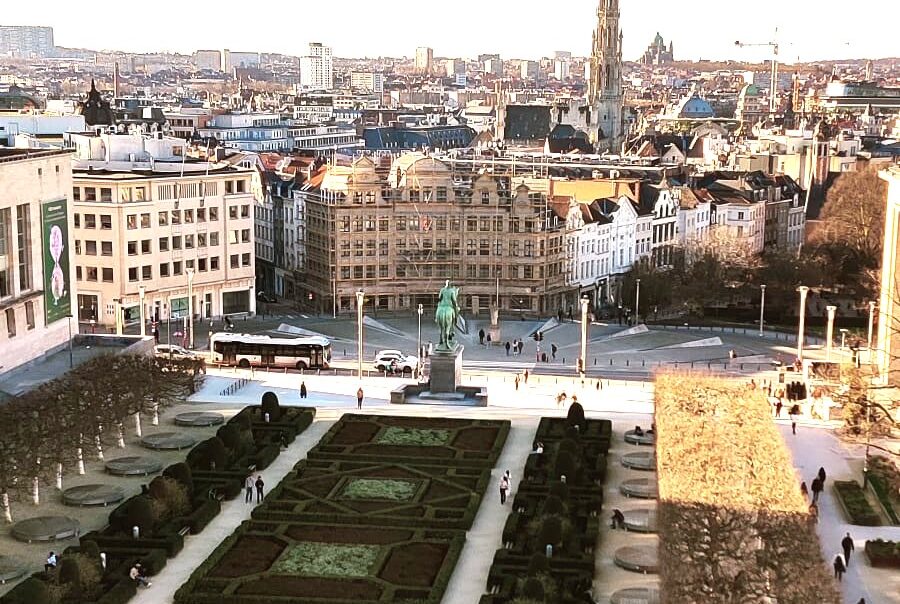
Photo taken by CEU Erasmus Mundus Master in Environmental Sciences, Policy and Management student, Daan Vandenberghe, also attending the Ideas Lab with the Europaeum group.