About the Author:
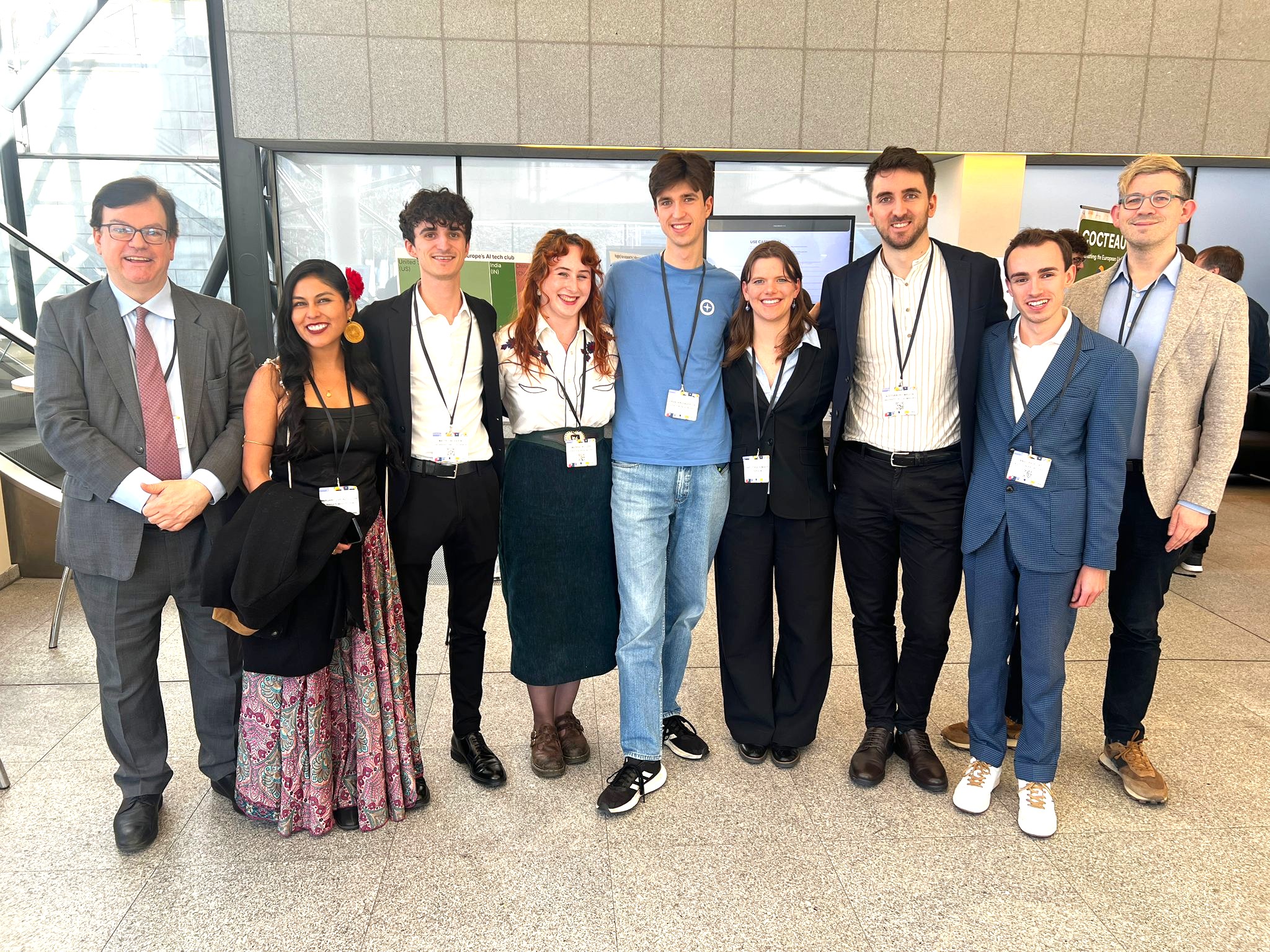
Mairéad Butler is a Master’s student on the Women’s and Gender Studies (GEMMA) programme at the Central European University (CEU). She attended the CEPS Ideas Lab 2026 conference in a group with nine other students from Europaeum member universities.
Mairéad’s Report
The CEPS Ideas Lab was a fantastic opportunity to immerse myself in the world of European policymaking at the highest level, bringing together the academic and theoretical with the very grounded and practical. It is rare that you get to be in the room with such important, high-level decision-makers and policy-thinkers as a student, particularly at a geopolitical moment in which coming together, as Europeans, for open, collaborative dialogue is more crucial than ever. On a personal level, attending the Ideas Lab allowed me, as a non-political science student, to bridge my interest and experience in European affairs with my passion for gender-transformative policy approaches and to expand my policy horizons on areas that would not normally come under my immediate field of study.
The event took place over two jam-packed days in Brussels with large plenary sessions, lab sessions (smaller breakout group style talks), and plenty of opportunities for networking in between! The plenary sessions dealt with high-level pressing policy issues like free speech, security, the single market, industrial strategy, and scientific development. Each panel was comprised of key, highly knowledgeable speakers from the political, NGO, think tank, and private sectors, each bringing different perspectives on the issue at hand, providing the space for constructive—and at times divisive—dialogue in a respectful environment.
As a testament to the Ideas Lab entanglement with current geopolitical events, the planned fireside chat with the US Ambassador to the EU was cancelled by the Ambassador that afternoon (for obvious political reasons). However, what occurred instead was an off-the-cuff, topical reflection on the place of the US and the EU on the global political stage and a tentative analysis of the war in the Middle East at its incipient stage. This represented a much-needed conversation illustrating that Europe is inextricably linked to wider geopolitical developments and that every conversation about “Europe” inevitably involves the rest of the world.
However, I found the side sessions to be the most engaging as they allowed participants to delve deeper into our specific policy areas of interest. As a gender studies student and proponent of increased efforts towards participatory democracy, the discussion on the European Citizens’ Initiative (ECI) was very interesting and topical, particularly in light of the widely publicised success—or perhaps, partial, caveated success, as the speakers outlined—of the recent ‘My Voice, My Choice’ campaign for abortion rights across Europe. Another insightful session was the conversation on the use of AI for the conservation and preservation of indigenous languages and cultures, highlighting the negative impact of linguistic exclusion in exacerbating the digital divide for the most marginalised and minoritized communities.
These sessions emphasised the importance of maintaining the pillars of diversity, equity, and inclusion in EU policy across all areas and at all levels of policymaking. They gave me an important insight into the need for the critical, intersectional approaches of gender studies in a world of political science and international relations students. This was an important personal reminder of the need for diverse, person-centred approaches to policymaking as I come to the end of my MA studies and begin my professional career.
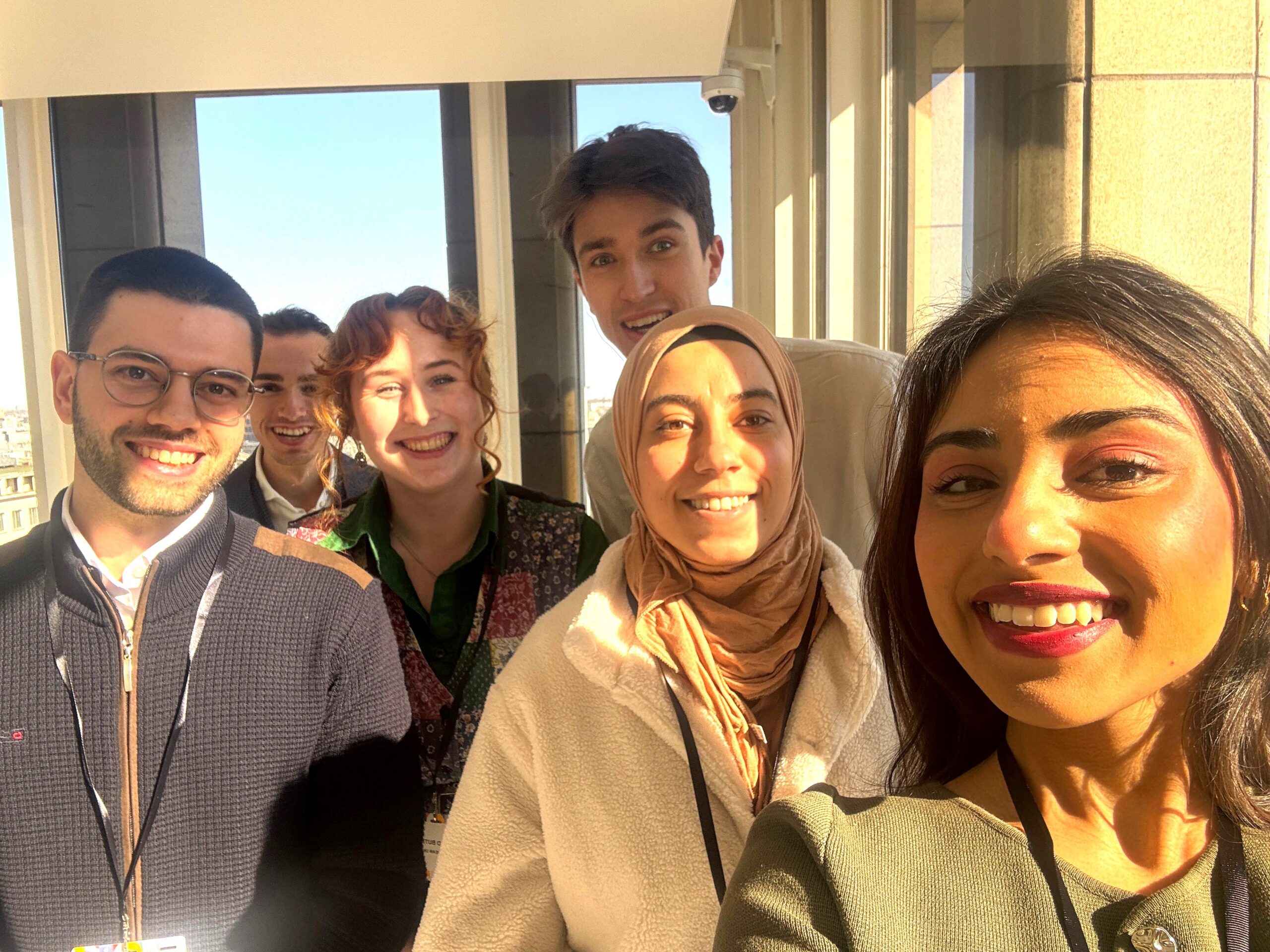
Moreover, I found that attending the Ideas Lab with The Europaeum delegation was a great opportunity to meet with other like-minded, political-engaged students from across Europe and beyond. Despite our divergent cultural and disciplinary backgrounds, we shared in our vision for a better Europe and a better world. I learned just as much from them as I did from the “official” Ideas Lab programme. I can only hope that our paths will cross again – perhaps in Brussels!