Josu Eguíluz Castañeira is a digital lawyer, lecturer of Digital Law and AI Academic Coordinator at ESADE (Barcelona) and industrial doctoral researcher at Universitat Pompeu Fabra and Infojobs.
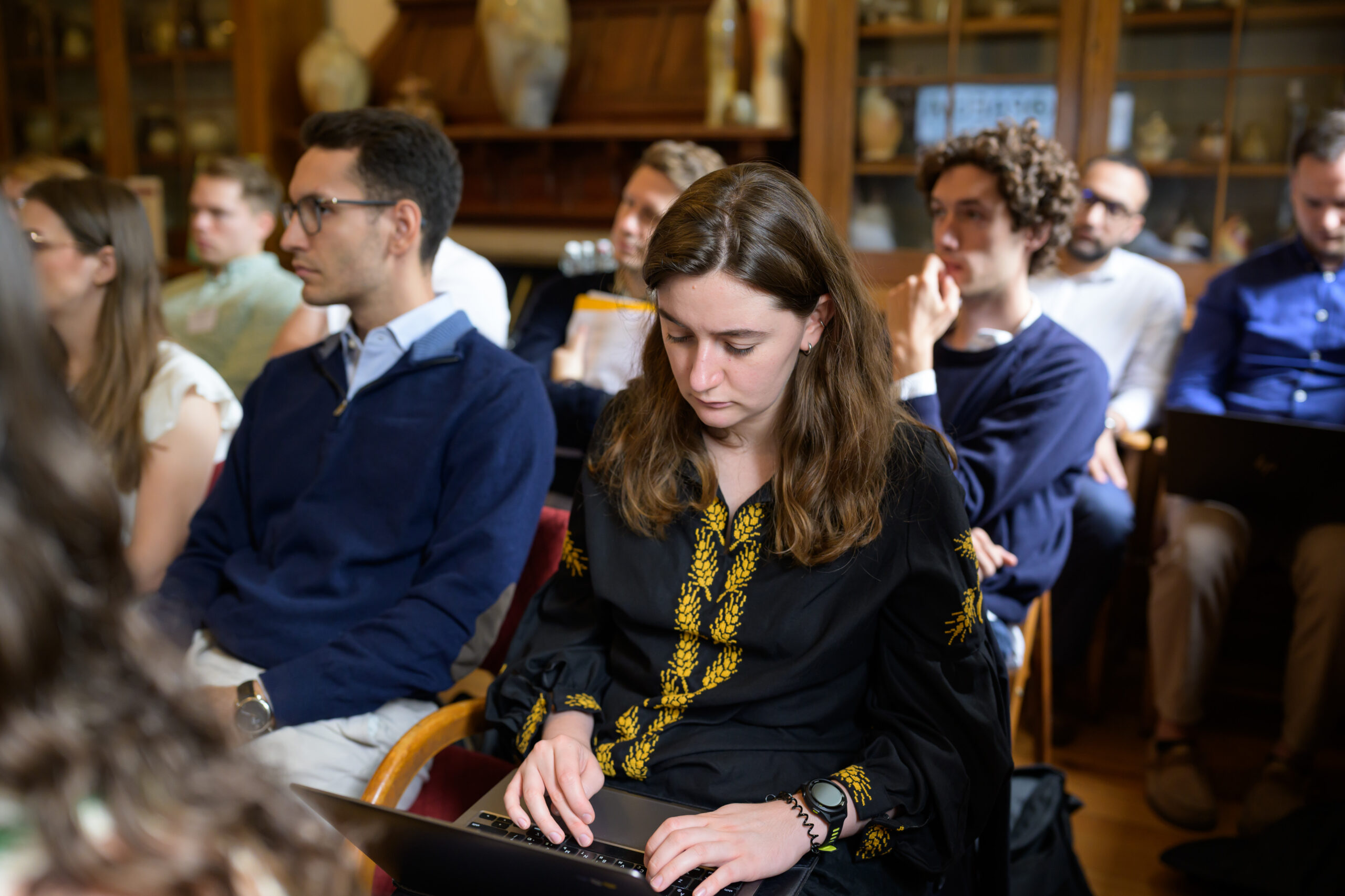
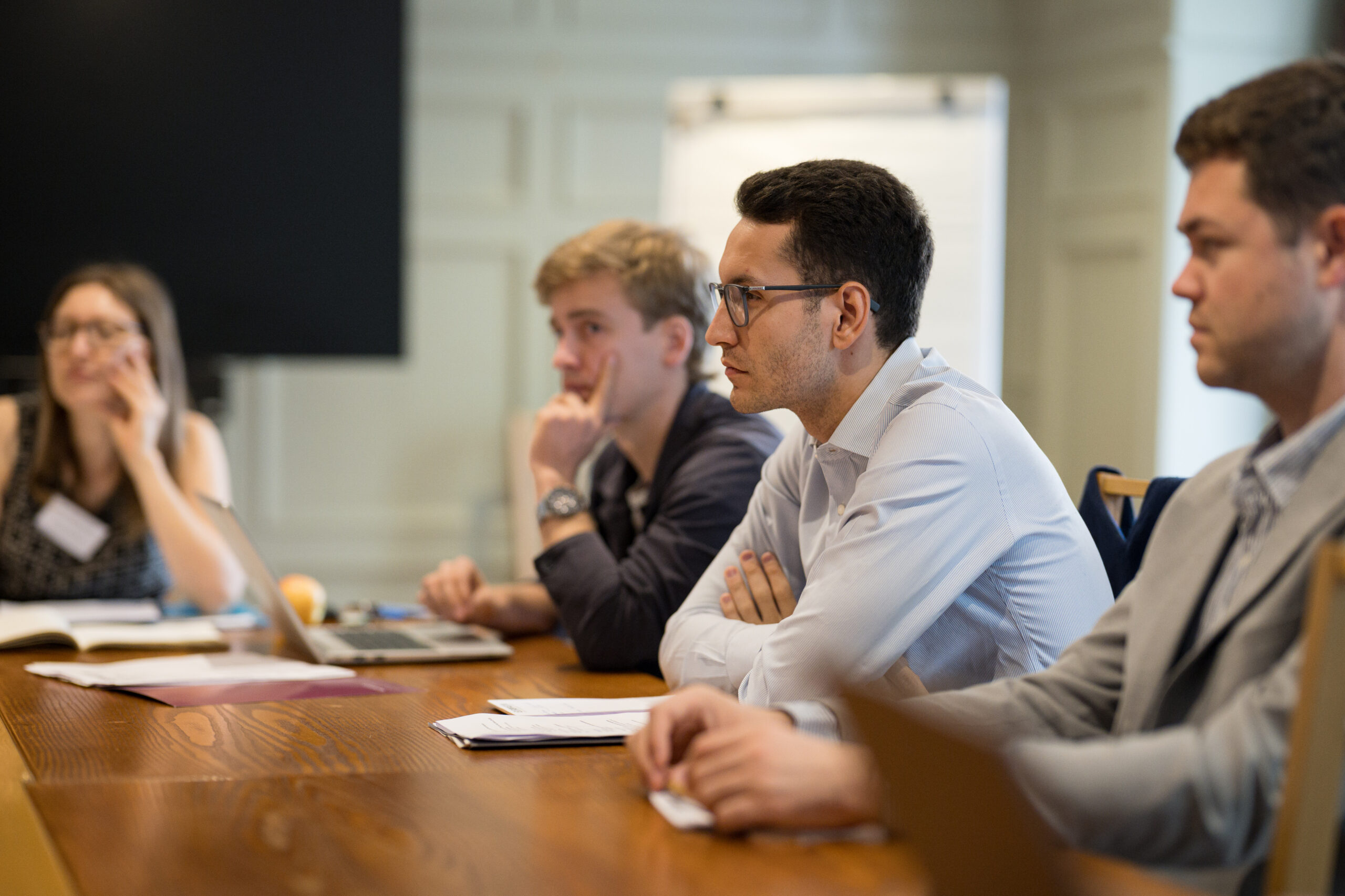
This was my first time in Oxford, and I walked into Harris Manchester College with real enthusiasm and expectation. What would a week be like, surrounded by some of the sharpest PhD candidates in Europe, discussing some of the most urgent problems facing Europe: homelessness, refugee protection, exploitation and violence against women, net zero, industrial policy, AI, and the future of the Union itself? As an industrial researcher, lecturer and lawyer working at the intersection of digital law, education and technology, I rarely get to think alongside people running shelters or drafting climate legislation. That distance turned out to be tremendously enriching.
One of the clearest lessons came sideways, from a story a speaker told about frontline work with asylum seekers. A caseworker had once asked someone simply “how are you?”, and the person broke down. Some questions ask for more than they seem to, when the honest answer means remembering what you are trying to leave behind. Empathy, the willingness to respond to the singularity of a person rather than merely processing a case, is irreplaceable. It stayed with me all week, including into the session on scientific scepticism, which reframed the problem for me. Science is built to be contested and replicated, so in fields where new evidence appears by the week it rarely delivers the certainty a sceptic is really asking for, and pretending otherwise concedes the argument before it starts. The same difficulty emerged again from the decision-making side: you act on the evidence you have, at the time you have it, and live with the decision afterwards. That is the discipline of being a professional and a researcher of action: reflection and theory are essential, but real impact means daring to decide with only a fraction of the information you would like to have, and that too takes courage. That resonates in my own field of AI regulation, where postponing a rule until the evidence is complete is itself a decision, and usually not the wisest one.

The second thing I take from the week is the cohort itself, and something I had not thought about this carefully before: the difference between having colleagues who look different and having colleagues who think differently. Sharing a table with colleagues from a dozen countries and from fields as diverse as dance studies, education, computational psychiatry, medicine, media and communication, politics and cybersecurity, debating institutional ethics and political corruption, was international and interdisciplinary in the most obvious sense, but it mattered for a sharper reason: it produced cognitive diversity, different heuristics and different ways of framing the same problems, precisely what EU institutions need to tackle the most difficult challenges they face, and which no single field of expertise, or single background, can provide on its own. It also showed me how much I could contribute to problems I was not even considering from inside my own narrow field of expertise.
Whether listening with empathy, deciding under uncertainty, or learning from radically different perspectives, those of us engaged in the pursuit of knowledge ultimately share the same responsibility: to put that knowledge to work for the common good. This is conveyed to society through outreach, not accumulation: writing, teaching, and advising in ways that truly influence a decision or a life, not just by adding yet another article to the pile. The kind of impact that can be observed, measured and, ultimately, improved the world, your country, your community, or whatever small sphere you can influence.
Thank you to Tracey and the entire Europaeum team for a demanding, generously organised week, and to the rest of Cohort 5 for making it one worth writing about. Looking forward to Brussels.