 About the author
Ana Amaral is an M.A. Environment and Society student at Ludwig Maximilian University (LMU Munich).
Ana’s Travel Diary
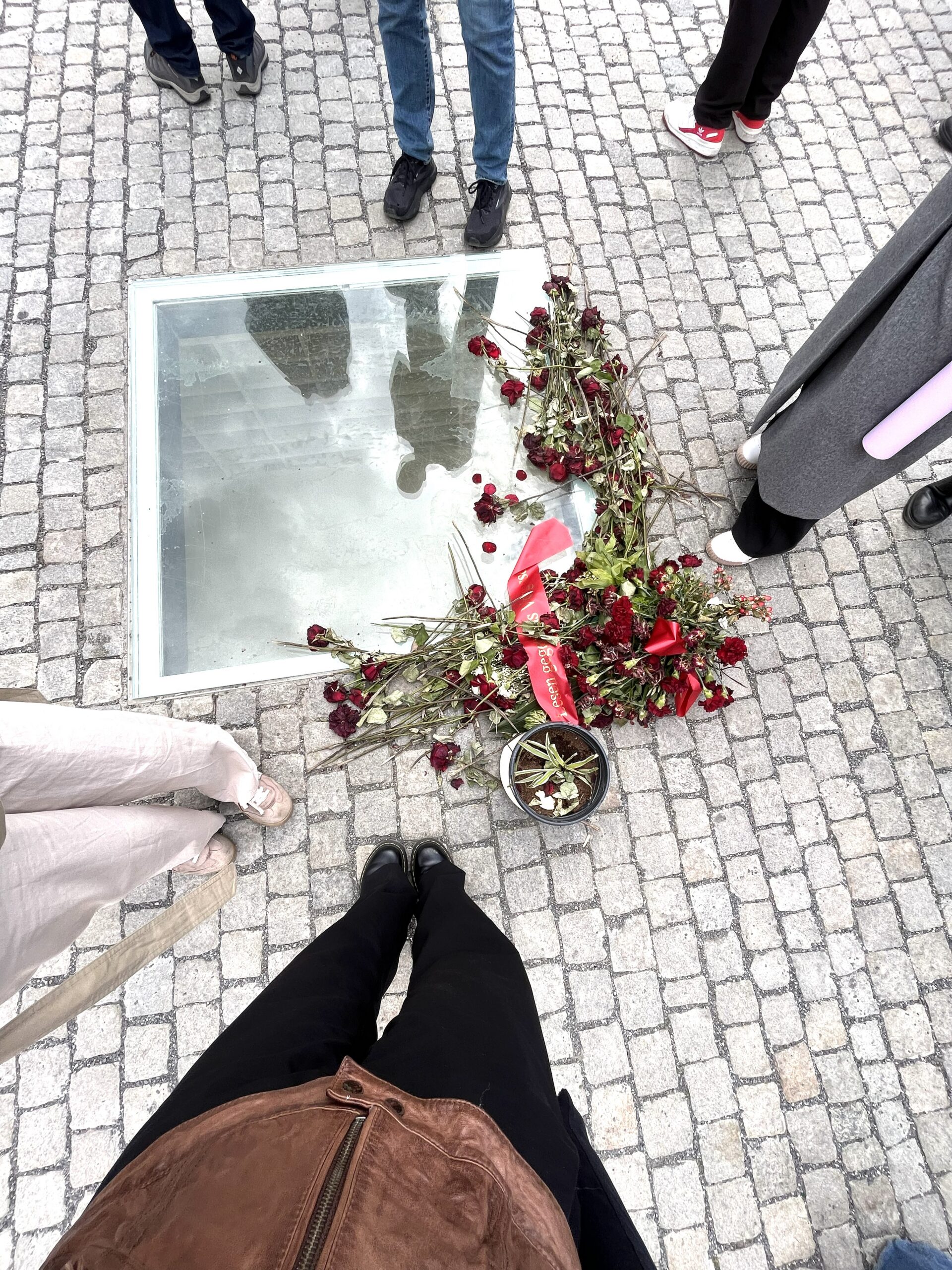
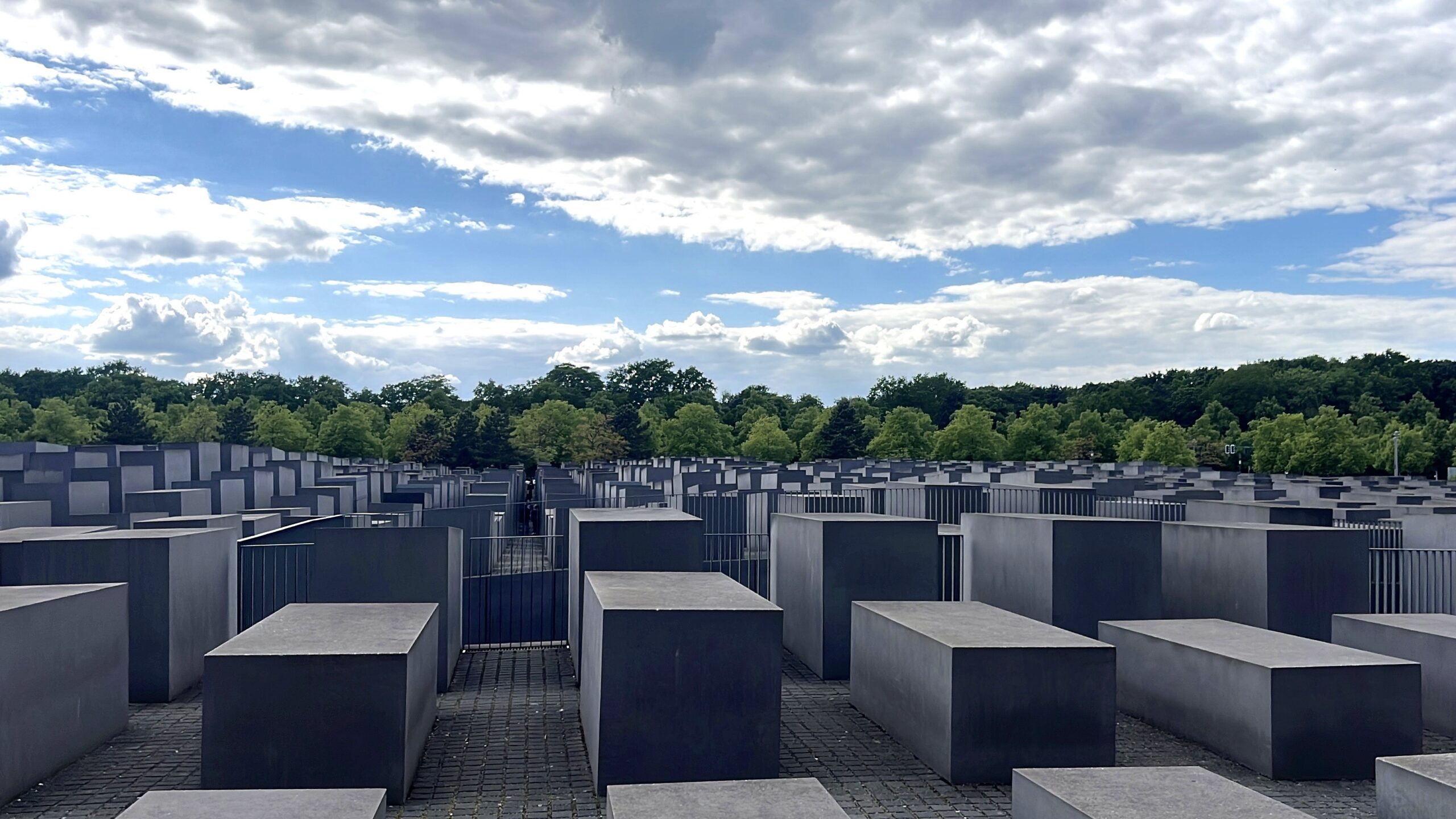
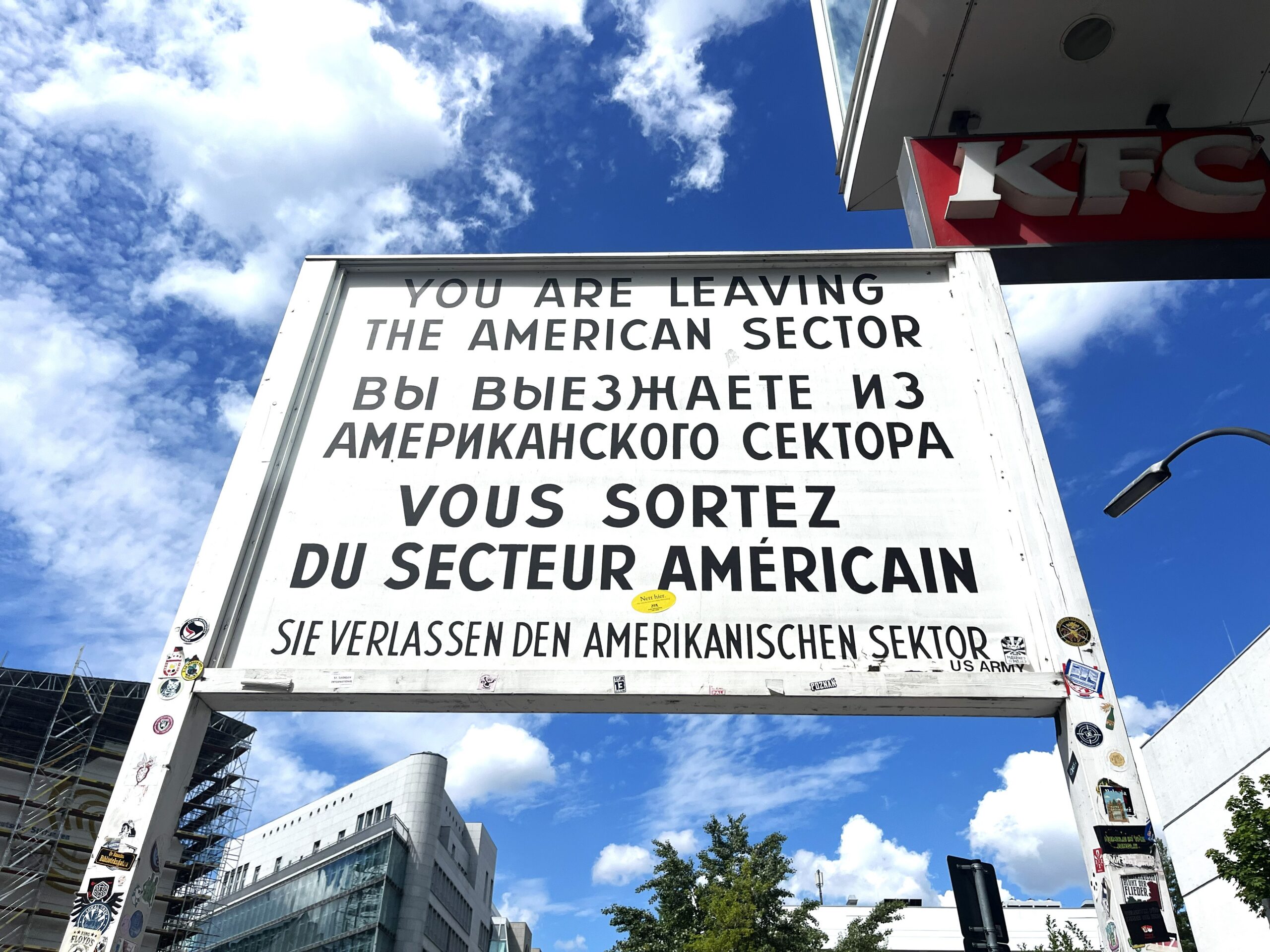
I arrived in Berlin a day before the official start of the Europaeum Leadership Challenge. Together with other participants, I joined a walking tour of the city led by Charlotte, a Europaeum alumna. It was a lovely way to begin the experience.
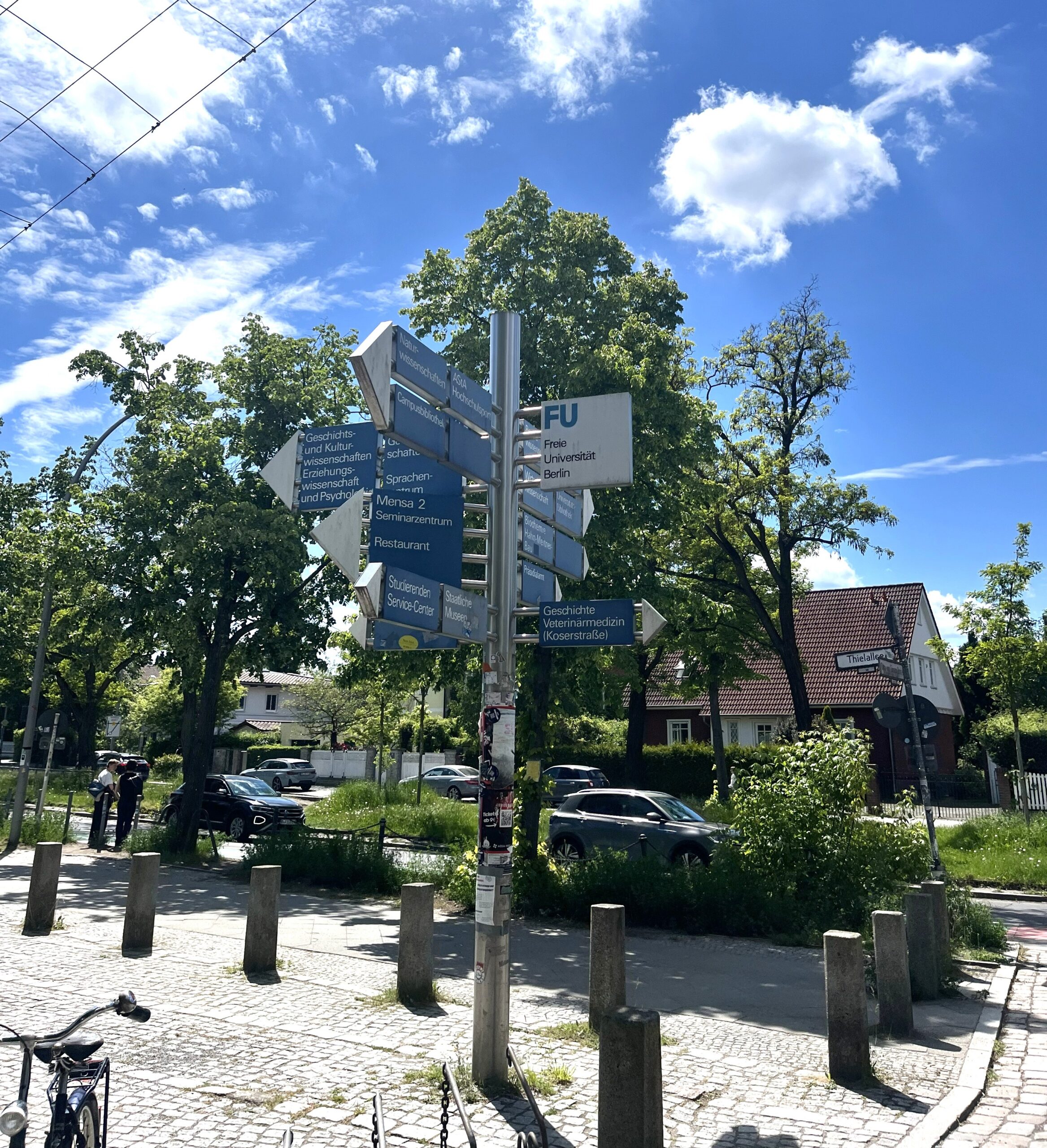
The next morning, the programme officially began at Freie Universität Berlin. During the opening session, Professor Lora Anne Viola introduced us to the history of the university and its connection to broader ideas of international cooperation and global citizenship. What particularly stayed with me was the idea that universities should not simply educate specialists, but people capable of acting across borders and engaging with global challenges. In a time marked by political uncertainty, conflicts and environmental crises, this felt especially relevant.
The first part of the programme focused on the psychology of leadership: rather than discussing leadership through famous examples or management advice, the sessions explored what research can tell us about how leadership actually works.
One idea I found particularly interesting was that leadership is not only about the person leading but also about how followers perceive them. Leadership, in this sense, is partly a social construct.
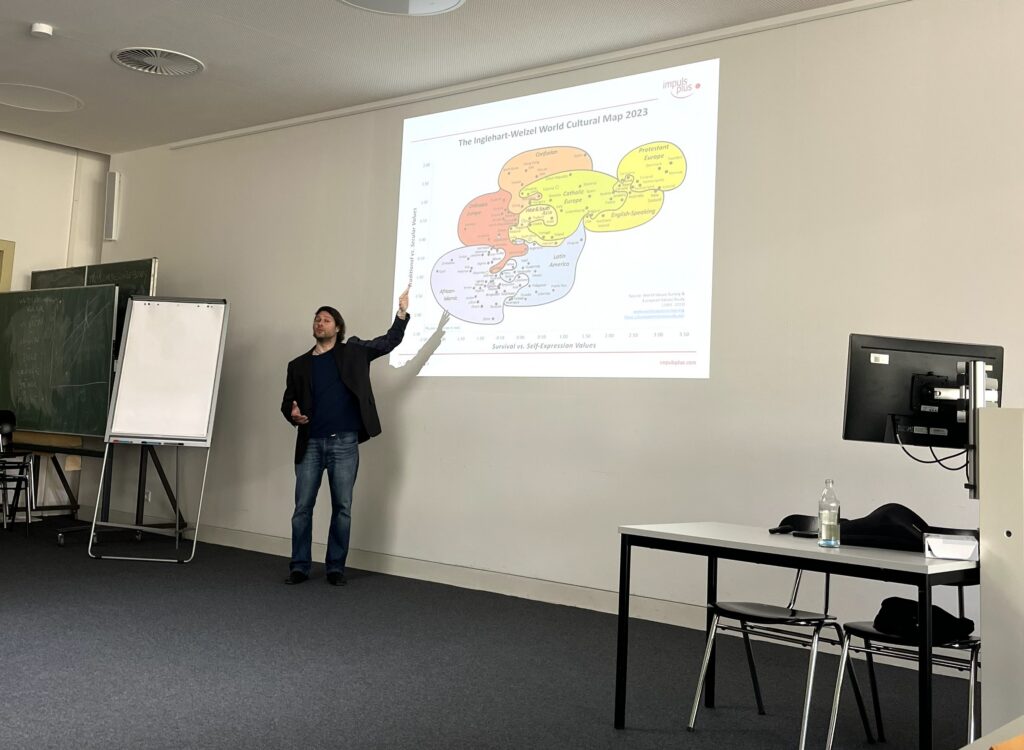
Another point that resonated with me was the idea that good leadership requires balancing different responsibilities. Leaders must provide direction and help groups achieve their goals, but they must also support people, build trust and create a sense of community. Especially in academic and international environments, where collaboration is essential, leadership seemed less about authority and more about creating the conditions that allow others to succeed.
The sessions on the “dark side” of leadership offered a valuable counterbalance: we discussed destructive leadership, power abuse and how harmful leadership does not always appear in obvious ways. One of the key takeaways for me was that leadership should not be judged solely by outcomes. A leader may be effective in achieving results while simultaneously creating an unhealthy or damaging environment for others.
In the afternoon, we moved from theory to practice through a workshop led by Matteo Garavoglia. One recurring theme throughout the workshop was interdisciplinarity: we discussed both the opportunities and challenges that emerge when people with different academic backgrounds work together. While combining perspectives can spark creativity and innovation, it can also create misunderstandings when people use specialised language or make assumptions based on their disciplinary training. This felt particularly relevant to me as a student in an interdisciplinary environmental programme, where bridging different forms of knowledge is often one of the biggest challenges.
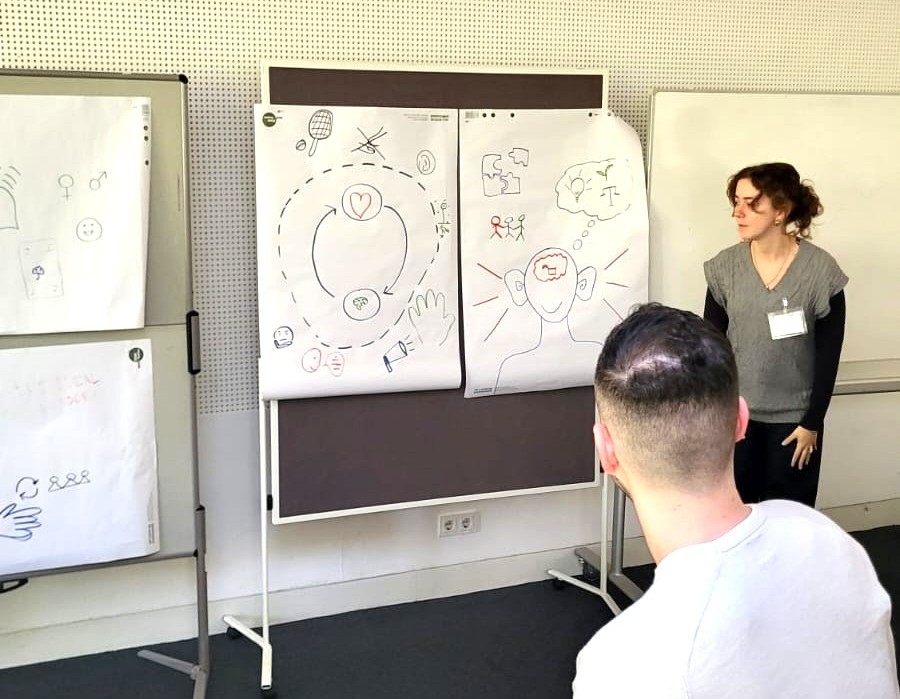
The second day focused on delegation, teamwork and intercultural communication. We explored practical questions such as how to assign tasks effectively, how to recognise different strengths within a team and how meetings can be designed to be more inclusive. I was particularly interested in the session on intercultural dimensions of leadership. With participants coming from many different countries and educational backgrounds, the workshop itself became a practical example of the issues we were discussing. Small things (such as communication styles, expectations around participation, or approaches to disagreement) can vary considerably across cultures. Becoming aware of these differences felt like an important first step towards becoming a more inclusive leader.
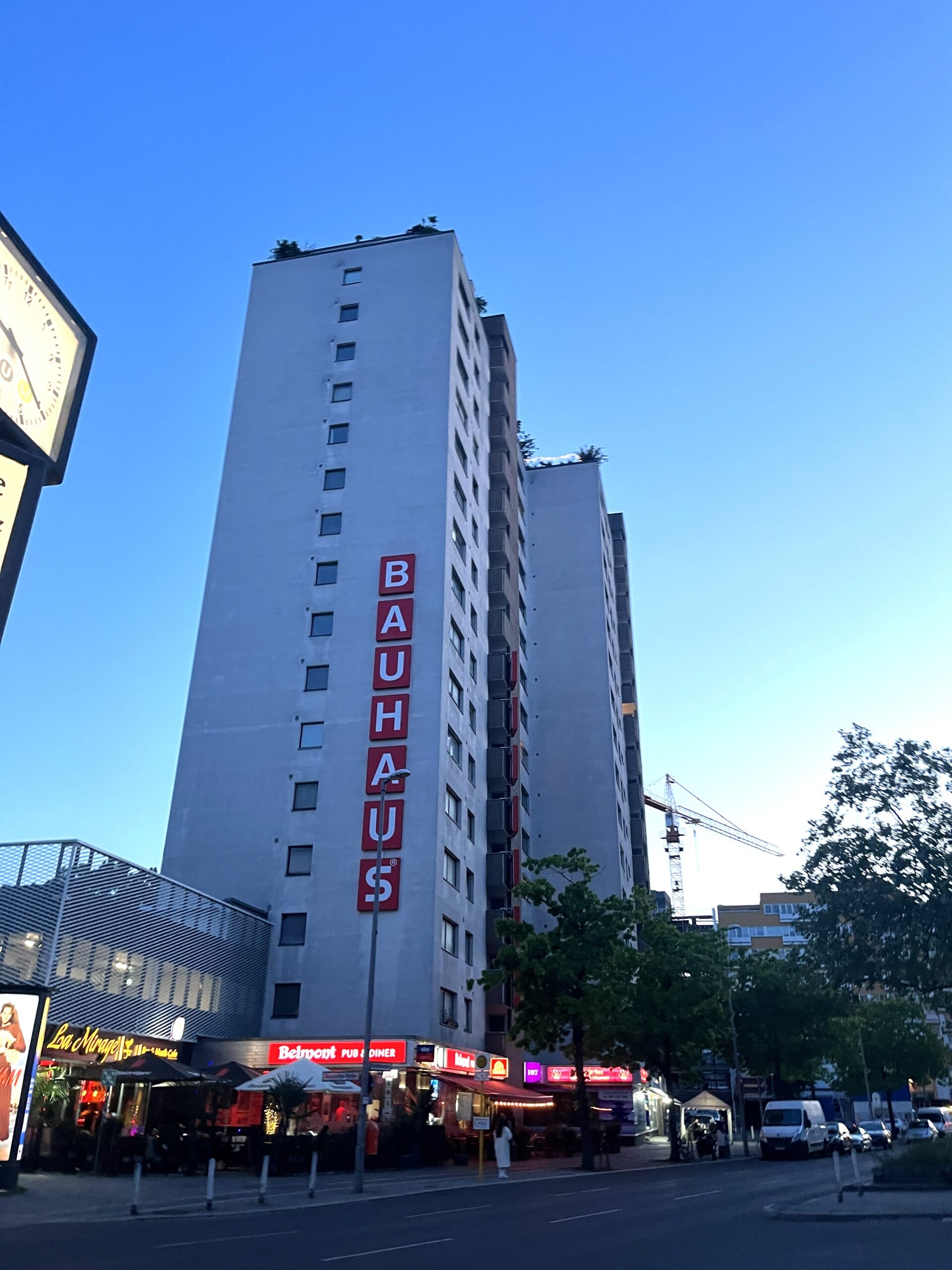
After two intensive days of discussions, workshops and conversations, the programme came to an end. Before heading back to Munich, I had some time to walk through Berlin and reflect on everything I had learned. While the event was officially about leadership, I left with the feeling that it was equally about collaboration, curiosity and learning how to work with people whose experiences and perspectives differ from our own.
What I will remember most is not a single lecture or workshop exercise, but the atmosphere created by the participants themselves. Despite coming from different countries, disciplines and professional backgrounds, there was a genuine willingness to listen, exchange ideas and learn from one another. In many ways, the Europaeum Leadership Challenge felt like a small example of what international cooperation should look like.
I am extremely grateful to the Europaeum, Freie Universität Berlin and everyone involved in organising the programme. The experience not only deepened my understanding of leadership but also reminded me how valuable international academic exchange can be. It was an intellectually stimulating, inspiring and genuinely enriching few days that I will remember for a long time.