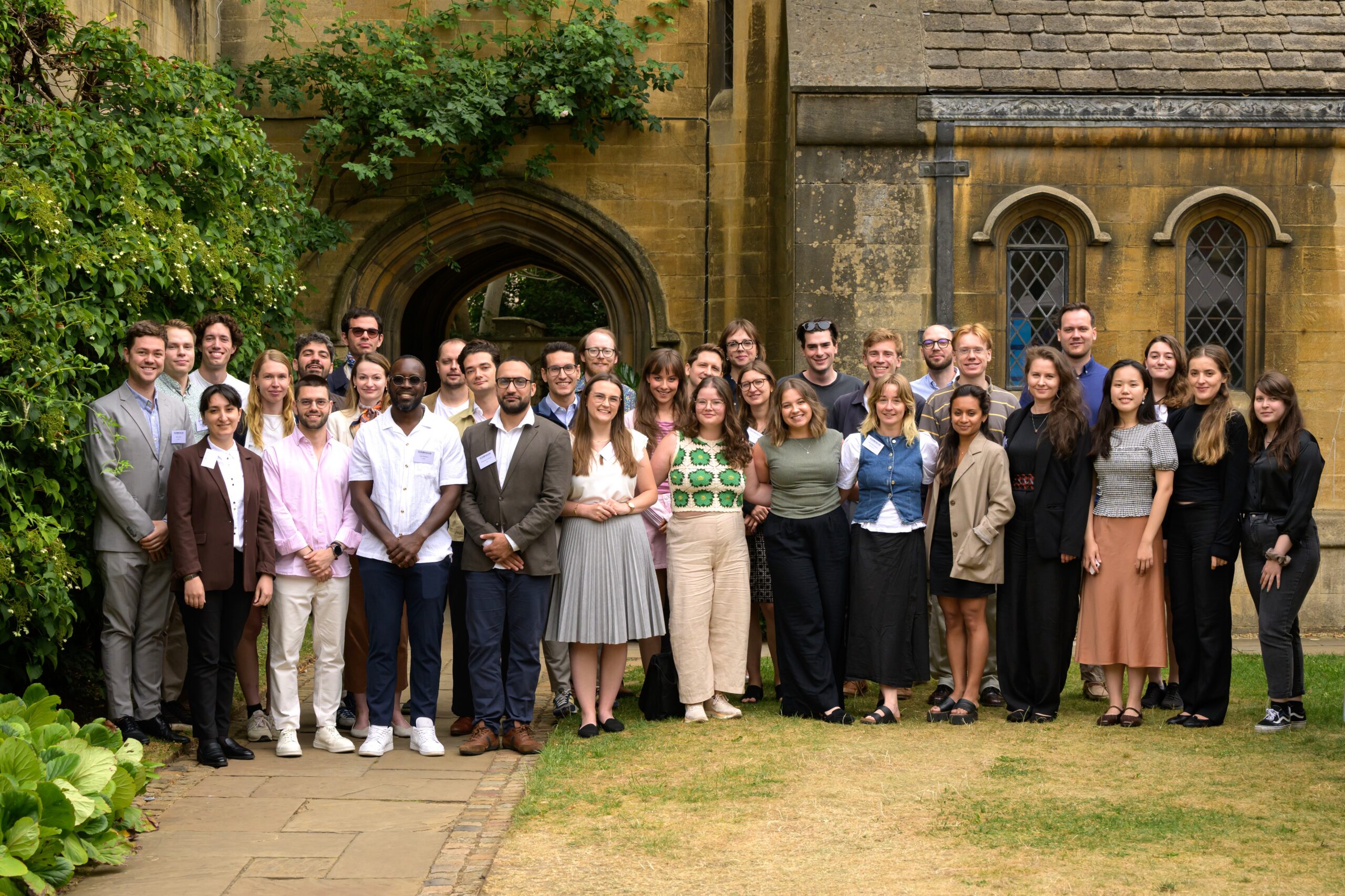
Module location: Harris Manchester College, University of Oxford
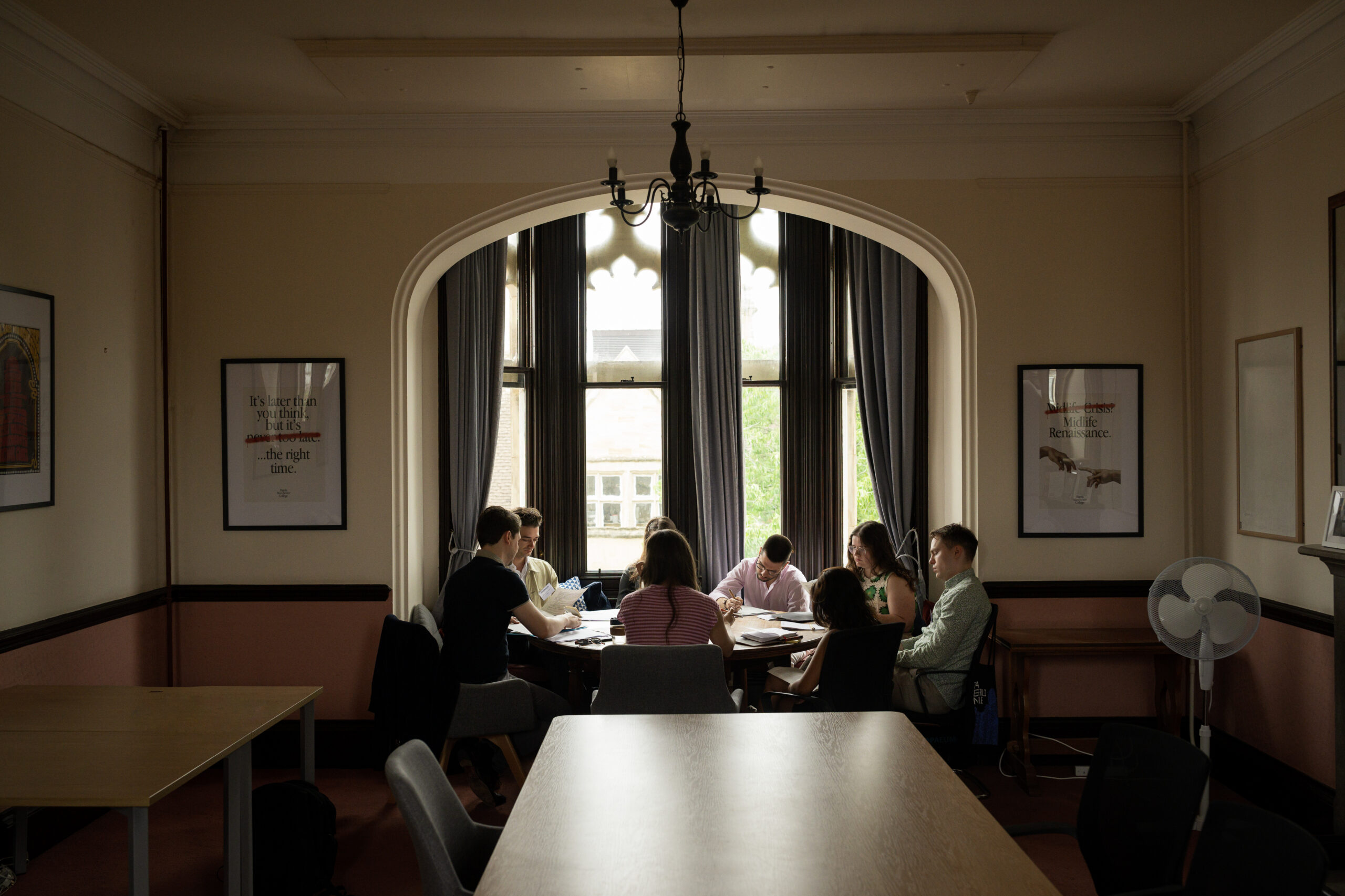
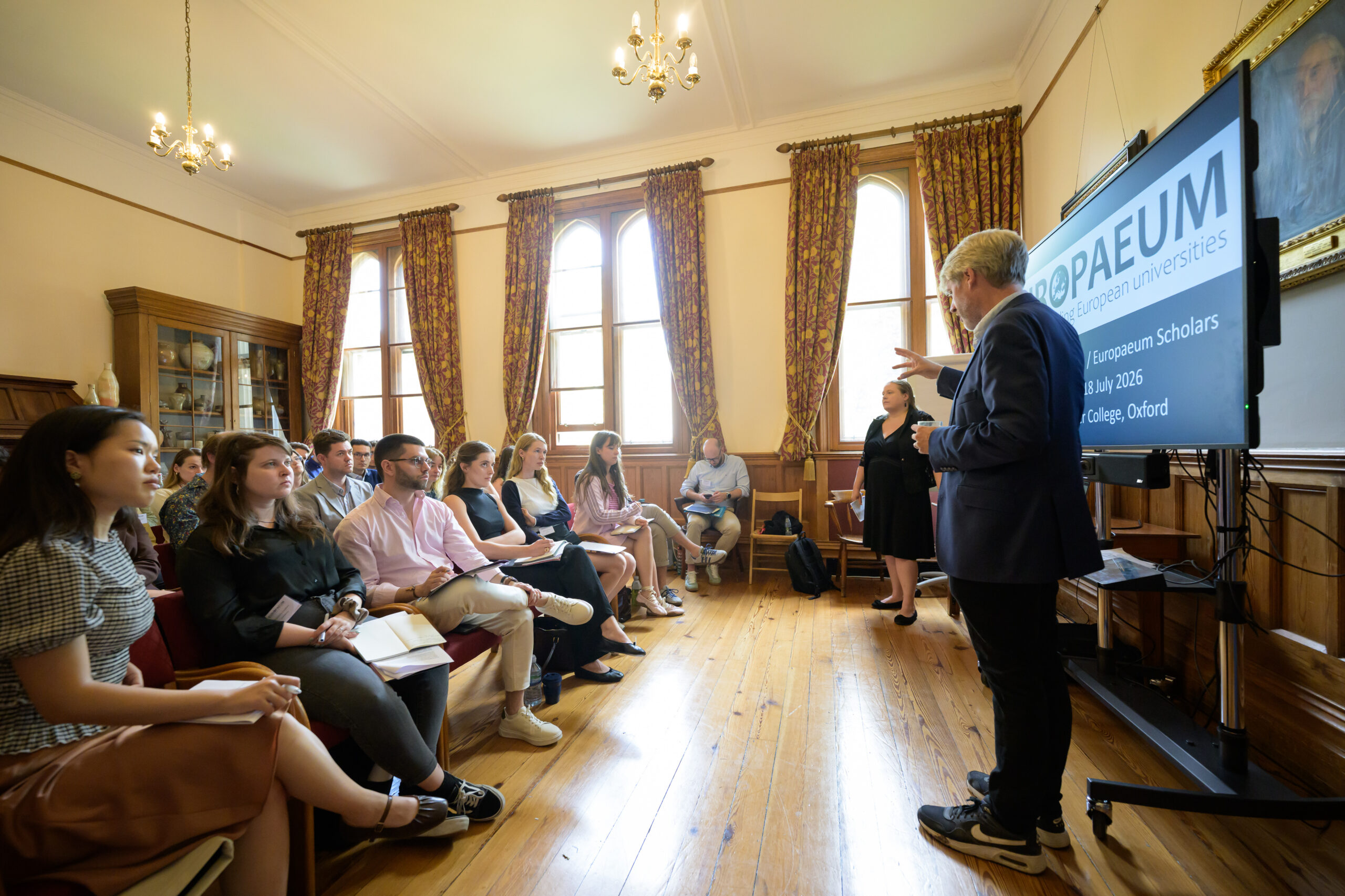
From 12 to 18 July we were thrilled to welcome our new cohort of Future Leaders / Europaeum Scholars to our first module in Oxford. Over the course of the week the group got to know one another and were challenged to consider several different types of issues.
One core theme was leadership. We asked the group to start thinking about what leadership means, and equally importantly, what it means to them and what sorts of leaders they want to be. They participated in practical exercises considering urgent responses and institutional ethics, where they had to consider competing practical and ethical dilemmas. They also heard about leadership from those who practice it.
A second key area we covered was policy making from the grass-roots up. The group heard about the challenges of supporting the homeless, the criminally exploited, and traumatised refugees, among others. Our speakers discussed current institutional restrictions and the policy frameworks helping or hindering their work. We also heard from organisations seeking to bring communities into the policy making and policy research processes. They all had a similar message: involve those with lived experience of an issue in approaches to solving the issue.
A third core theme was Europe and what to expect over the period in which the Scholars will be on the Programme. Here they had inspiration from talks on European geopolitics, the quest for net zero, the likely impact of the French Presidential elections, the priorities of the Irish Presidency of the Council of the European Union, and the top items on the European Commission’s agenda.
A number of sessions laid the groundwork for the collaborative policy work that will come in later modules. From our opening keynote on cognitive diversity in policy and politics, through discussions of multi-disciplinarity, to a masterclass on how to tell if policy is working, multiple sessions encouraged the consideration of how to work together and the benefits (and challenges) of the approach we take.
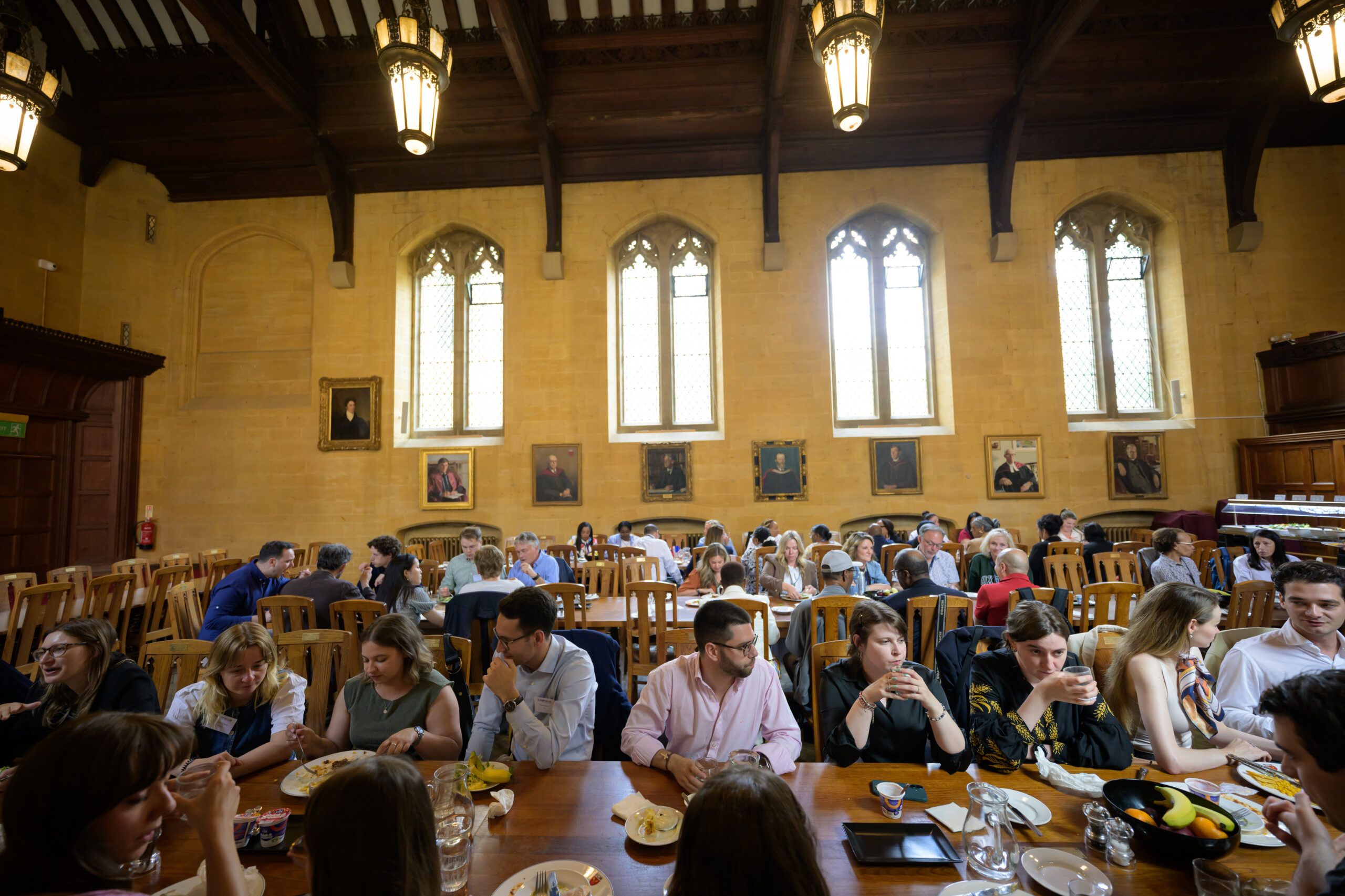
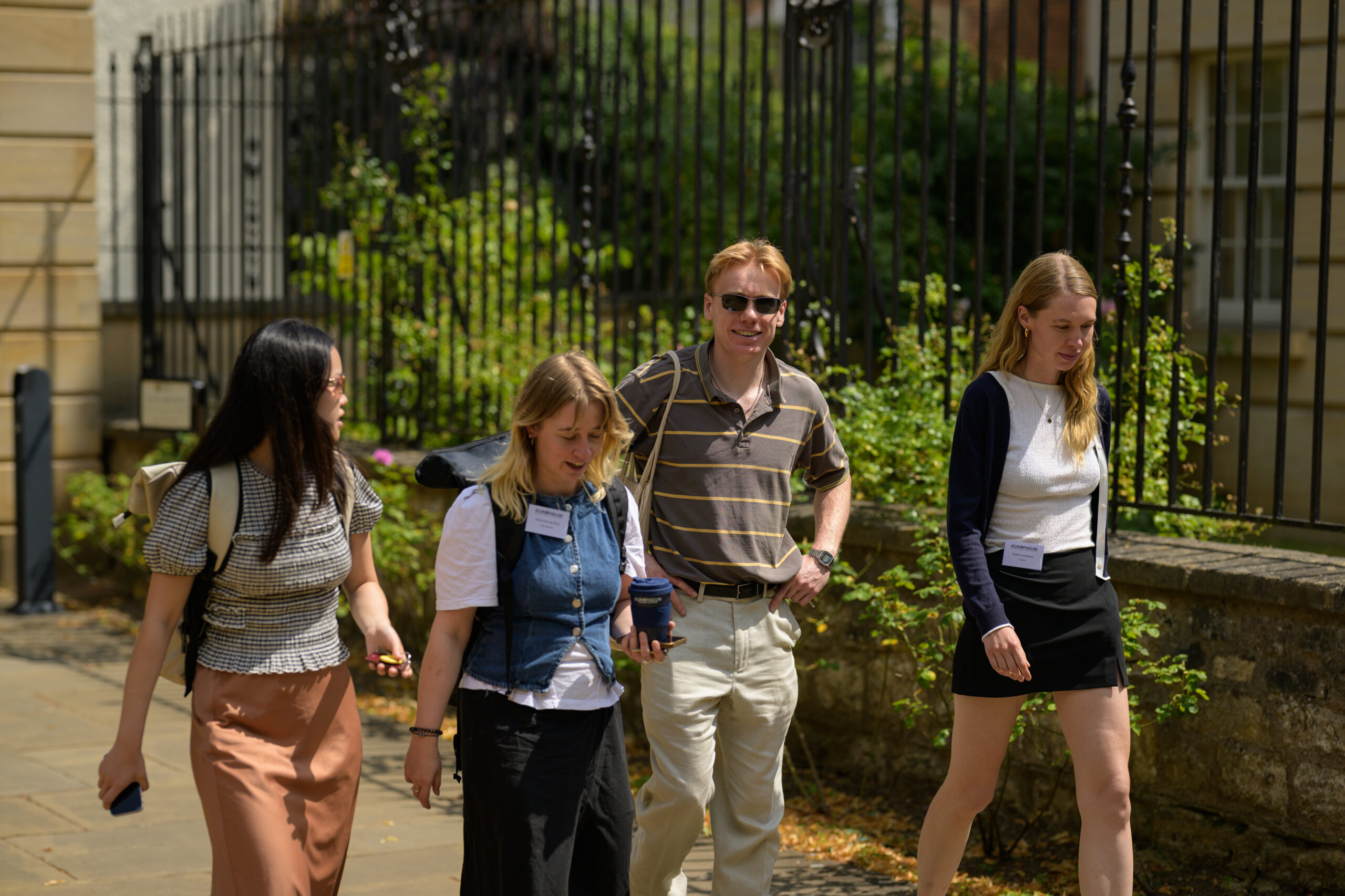
Just as importantly, in formal fora and in social settings the group got time to learn more about one another, their different opinions and experiences, and to share their varying expertise with the rest of the group.
Read below the reflections of one of our former Scholars, Dr Daniel Golebiowski, who joined this module as a Teaching fellow this time!
A Week in Oxford: Reflections on the Europaeum Scholars Module
Former Scholar and now Teaching Fellow, Dr Daniel Golebiowski (Jagiellonian) talks about his experience taking part in the first module earlier this month
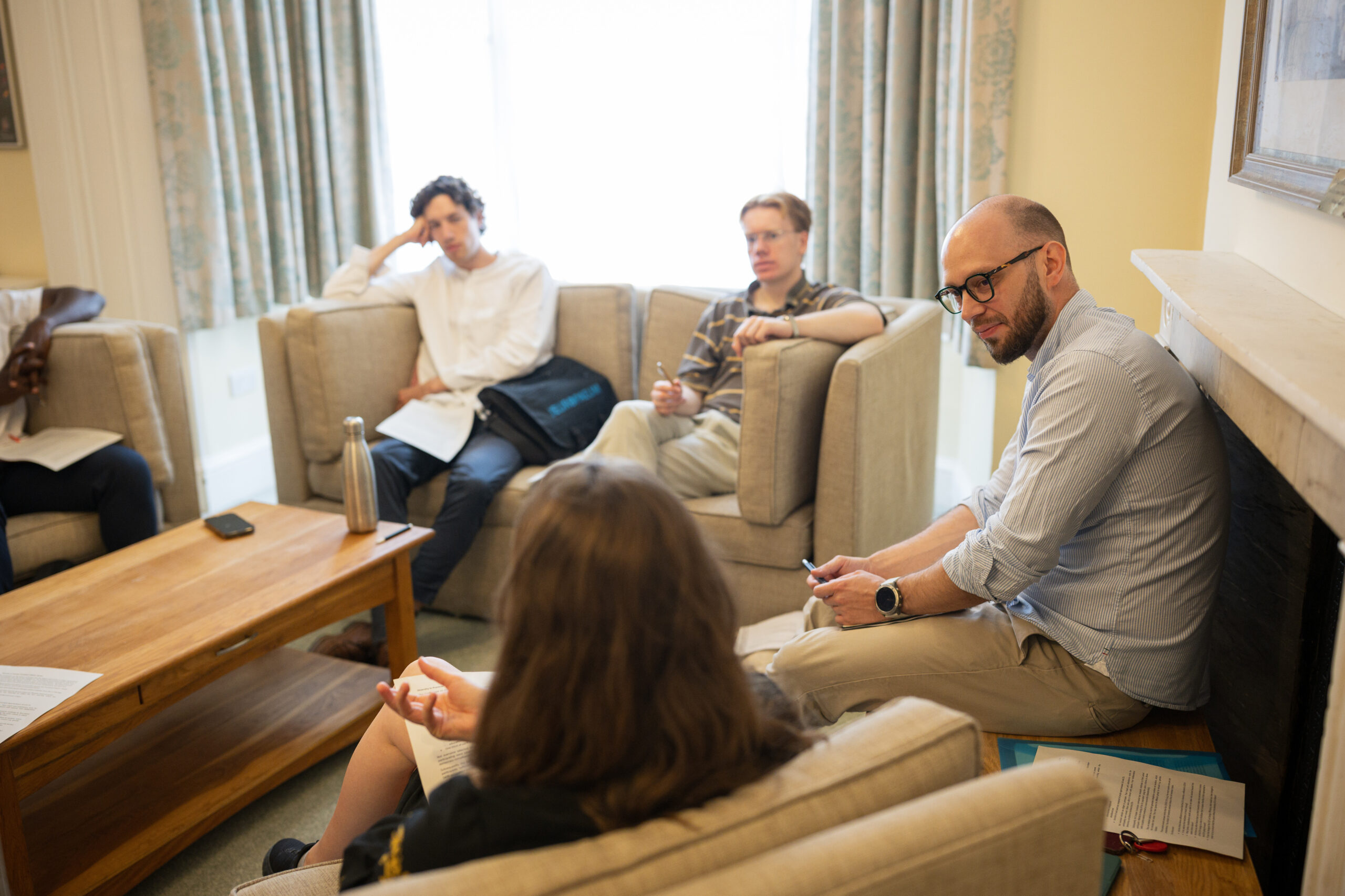
Dr Daniel Golebiowski pictured on the right listens to a discussion in one of the new Scholar groups.
Intense is the word I keep coming back to. The module packed an extraordinary amount into a few days, and yet what stays with me is not the density of the programme but the people who filled it.
The Scholars were remarkable. In the break-out sessions I rarely had to encourage anyone to speak. The difficulty, if anything, was finding a natural point to move on. That energy carried into the plenaries, where the questions were consistently sharp and often took the discussion somewhere none of us had anticipated.
They were well served by the speakers. Across the week we heard from practitioners whose experience spanned diplomacy, policymaking, fundraising and leadership, people willing to speak candidly about what the work actually involves, including the parts that rarely make it into the published account. Chairing a session with Sir Jeremy Greenstock was a particular privilege.
Much of the value, though, accumulated outside the seminar room. Shared meals, long conversations that ran past the point anyone intended, the informal exchange between scholars from very different national and disciplinary starting points. This is where a cohort becomes a cohort rather than a list of names.
And then there is Oxford itself. The architecture and the layered history of the place are not incidental; they set a tone. With unusually good weather on top of it, the setting did a great deal of quiet work.
Having once been a Scholar in the inaugural cohort myself, returning as a Teaching Fellow gave the week an additional resonance. It was an exceptional module, and I am grateful to have been part of it.