About the author:
Abubakar Sani Yahaya is an Erasmus Mundus Joint Masters Student in MSc European Environmental Economics and Policy at University of Copenhagen and University of Heidelberg.
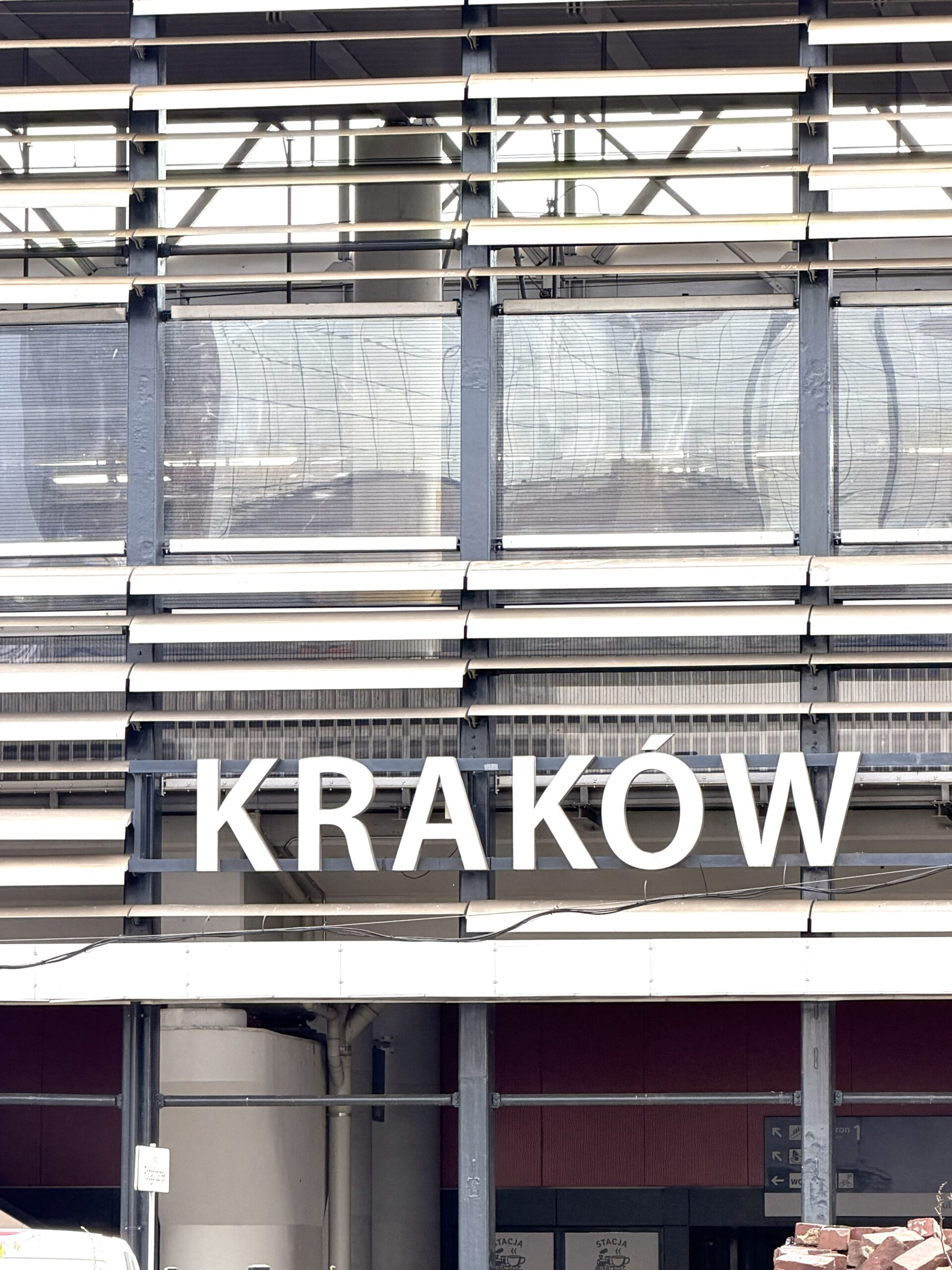
Walking in Kraków through history, memory and imagination
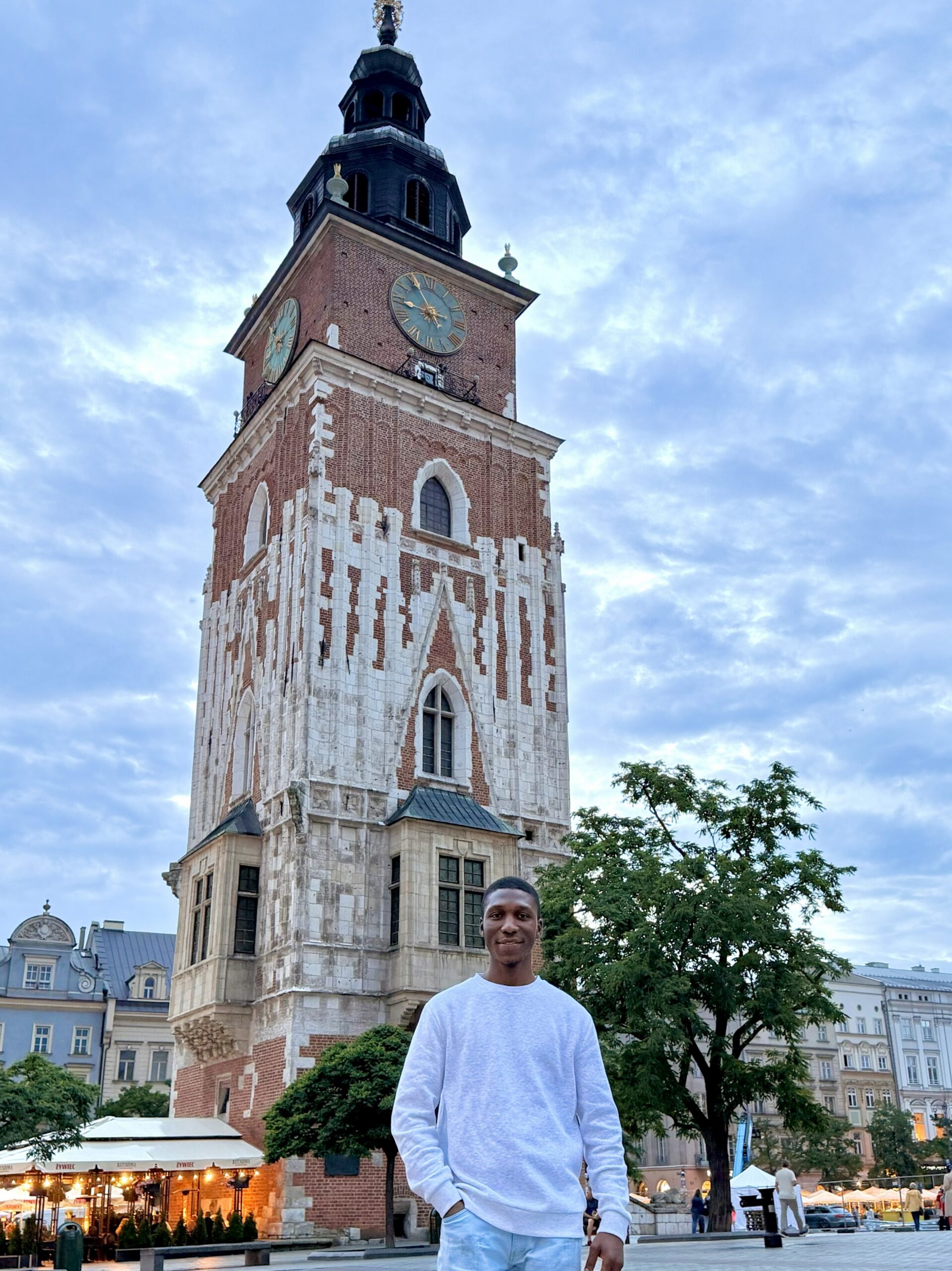
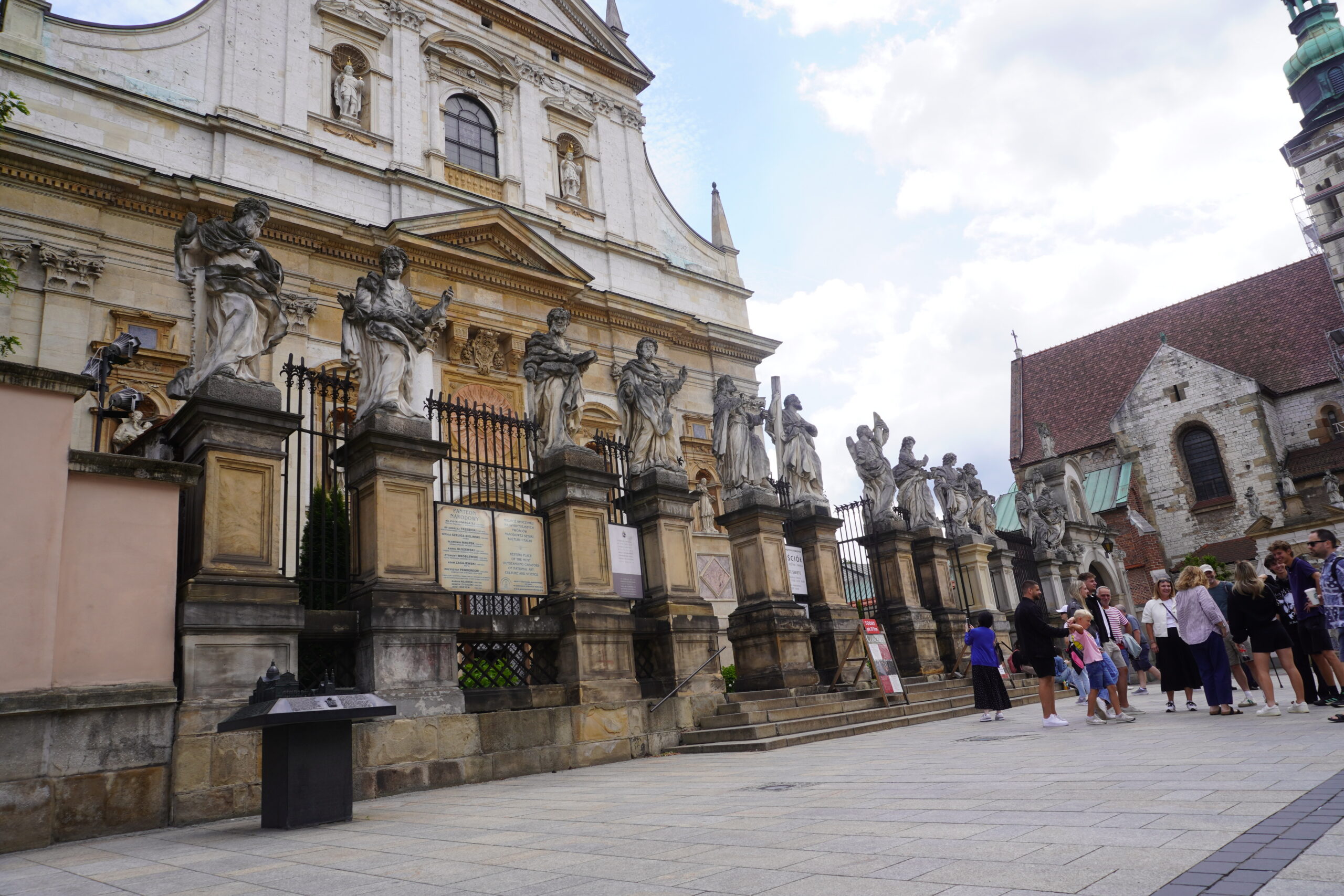
Before I arrived in Kraków, I knew not, that it was named the European Capital of Culture more than two decades ago. But what I knew is that it is one of Europe’s oldest academic cities, home to Jagiellonian University since the fourteenth century. I also expected to see good architecture and a few decent museums, which I did. What I didn’t expect was for the city itself to become one of my teachers.
I was there for the Europaeum Summer School 2026 on Creativity and Innovation, and while the lectures gave us plenty to think about, the city kept the conversation going long after we’d left the room. Every walk added something. Kraków doesn’t try to compete with modern life, it just lets history and the present sit next to each other. Cafés operate out of centuries-old townhouses, musicians play beneath Gothic towers, and students cross streets once walked by kings and merchants. Nothing here is behind glass. People just live in it and freely.
A square that has seen everything
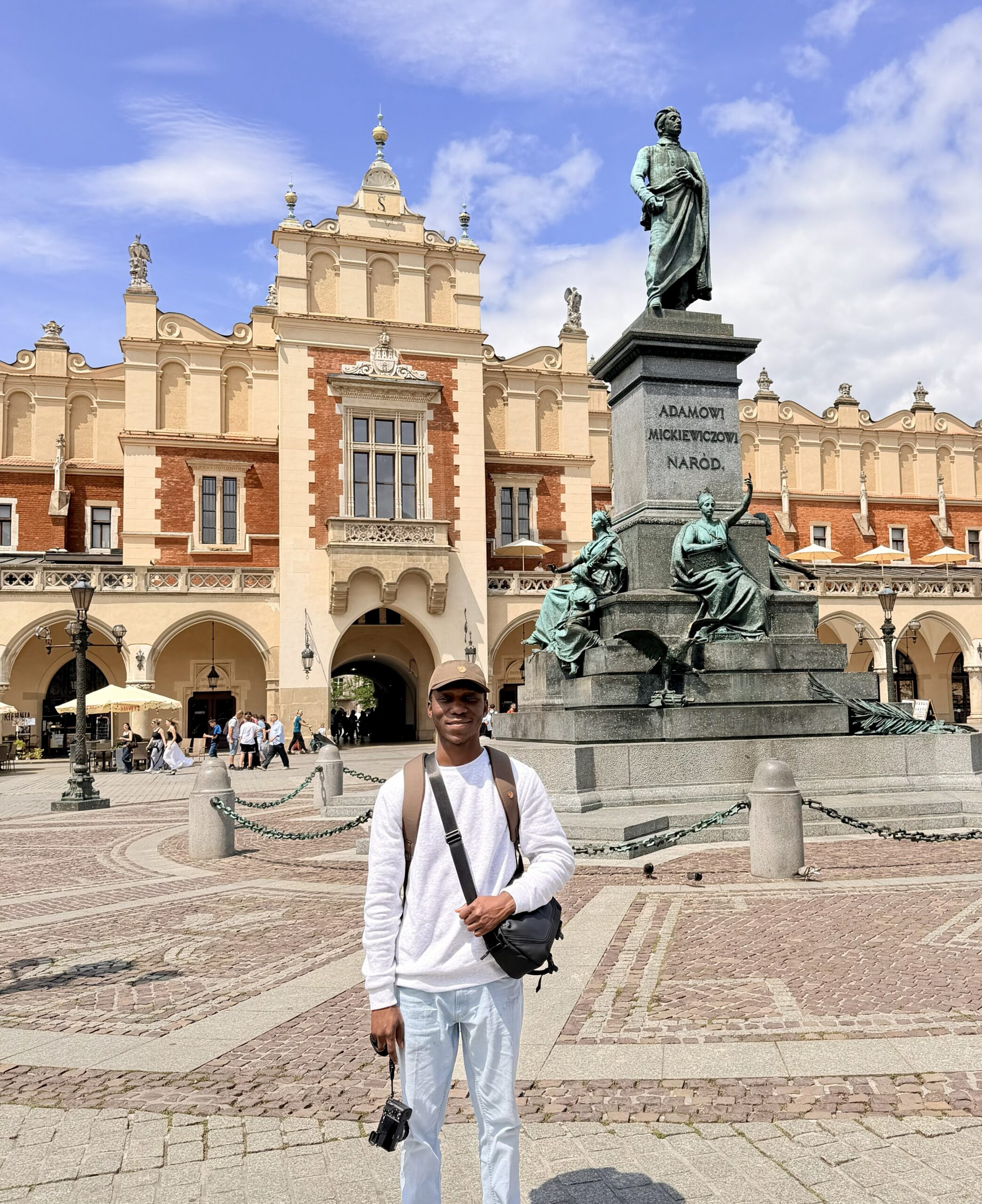
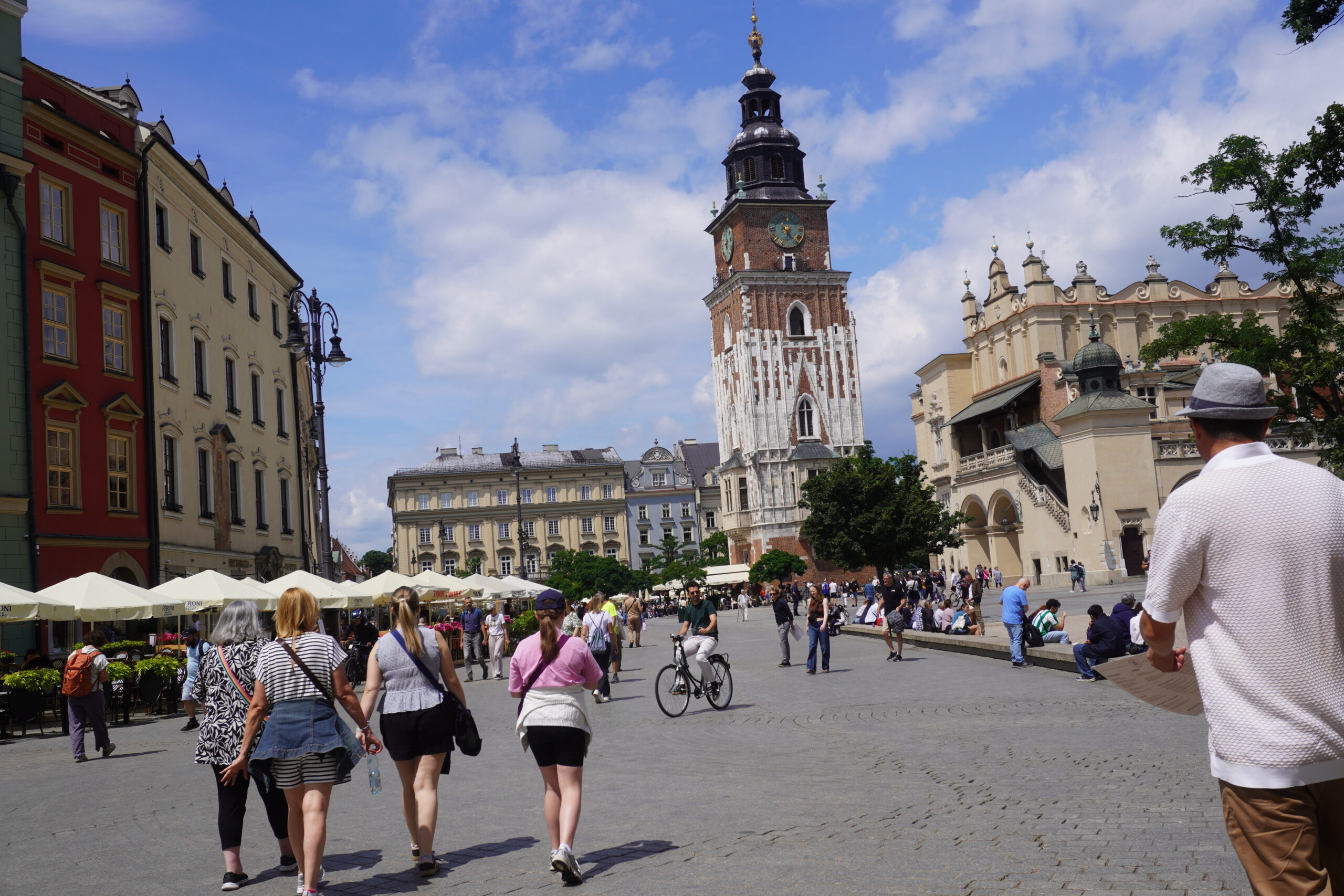
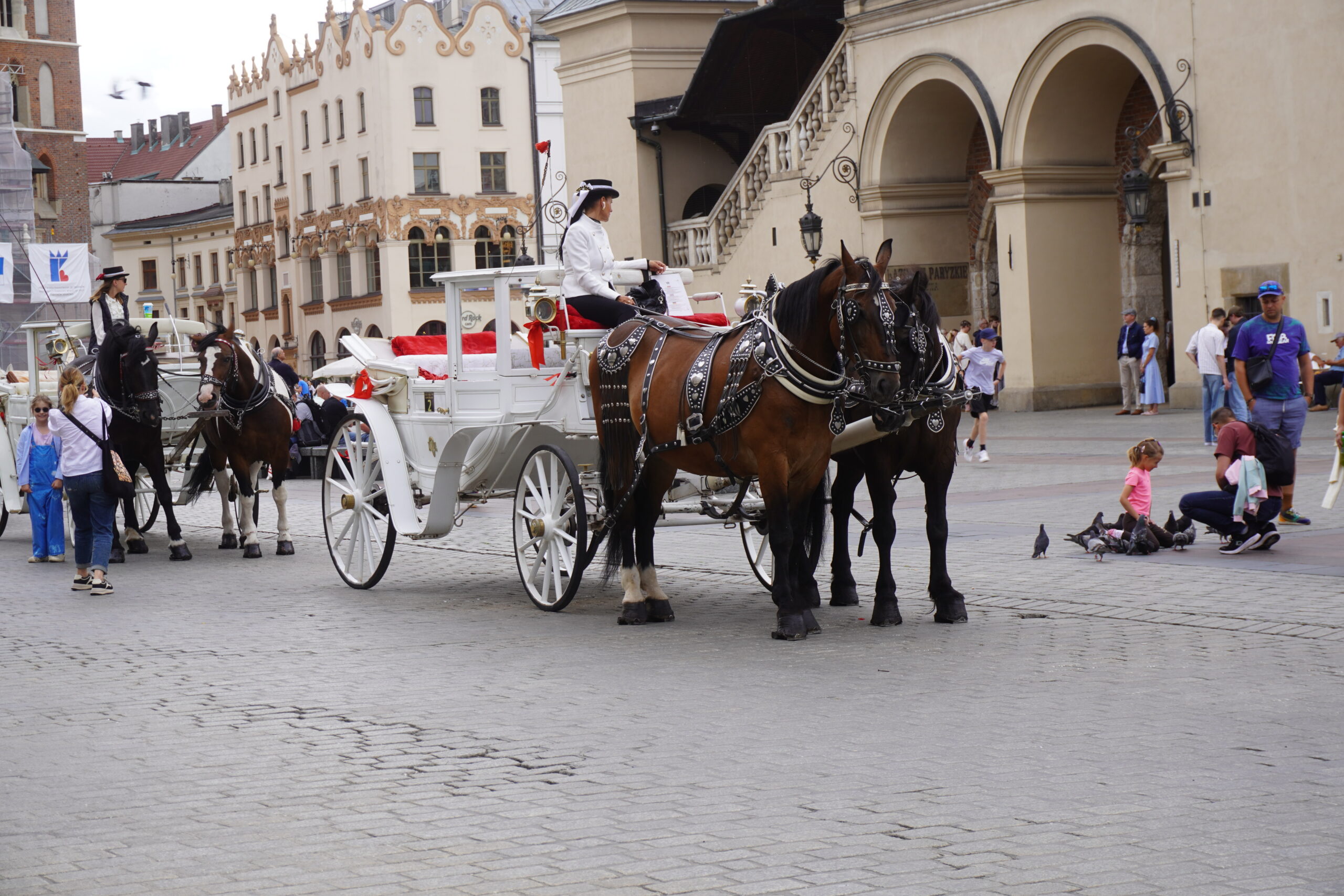
The Main Market Square is where this amazing adventure started. It’s the largest medieval market square in Europe, and it’s been through nearly eight centuries of trade, politics and ordinary life. Visitors gather under the Cloth Hall, horse-drawn carriages cross the cobblestones, and every hour the St. Mary’s Basilica trumpet call rings out over the square. Standing there, I kept thinking about how many people had stood in that exact spot before me, and how many ideas and arguments must have started there. History in Kraków isn’t just remembered. It’s still being lived among the people.
Wawel, and what institutions are built on
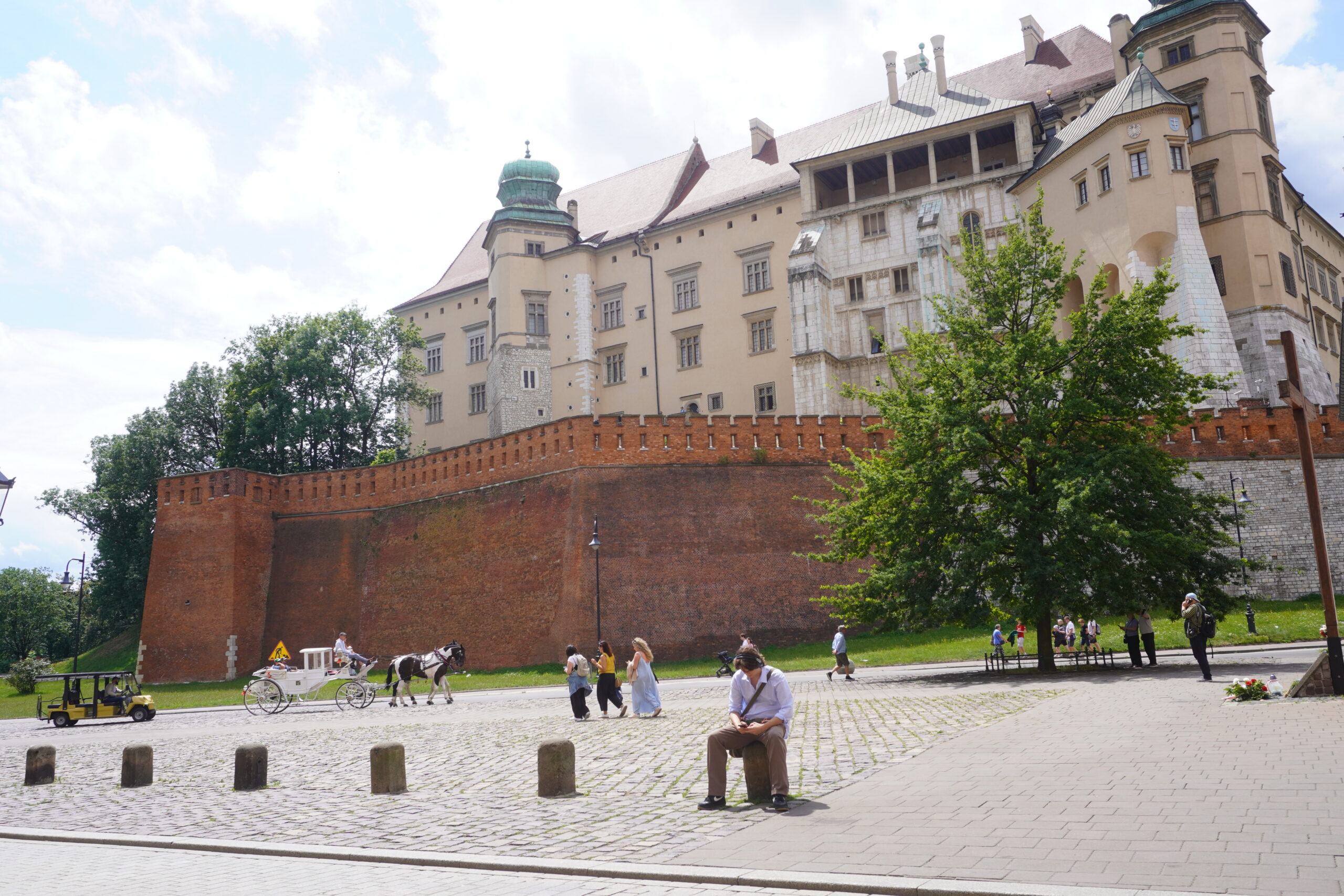
A short walk brought me to Wawel Hill, the Royal Castle and Cathedral, sitting quietly above the Vistula. It doesn’t overwhelm me with grandeur so much as invite me to stop and think, and I did. Looking out over the river, it’s easy to see why this view has inspired writers and artists for generations. For someone from the public policy, spheres, it’s a good reminder that institutions are built on stories as much as on constitutions. That’s to say, nations run on shared memory and imagination just as much as on governments.
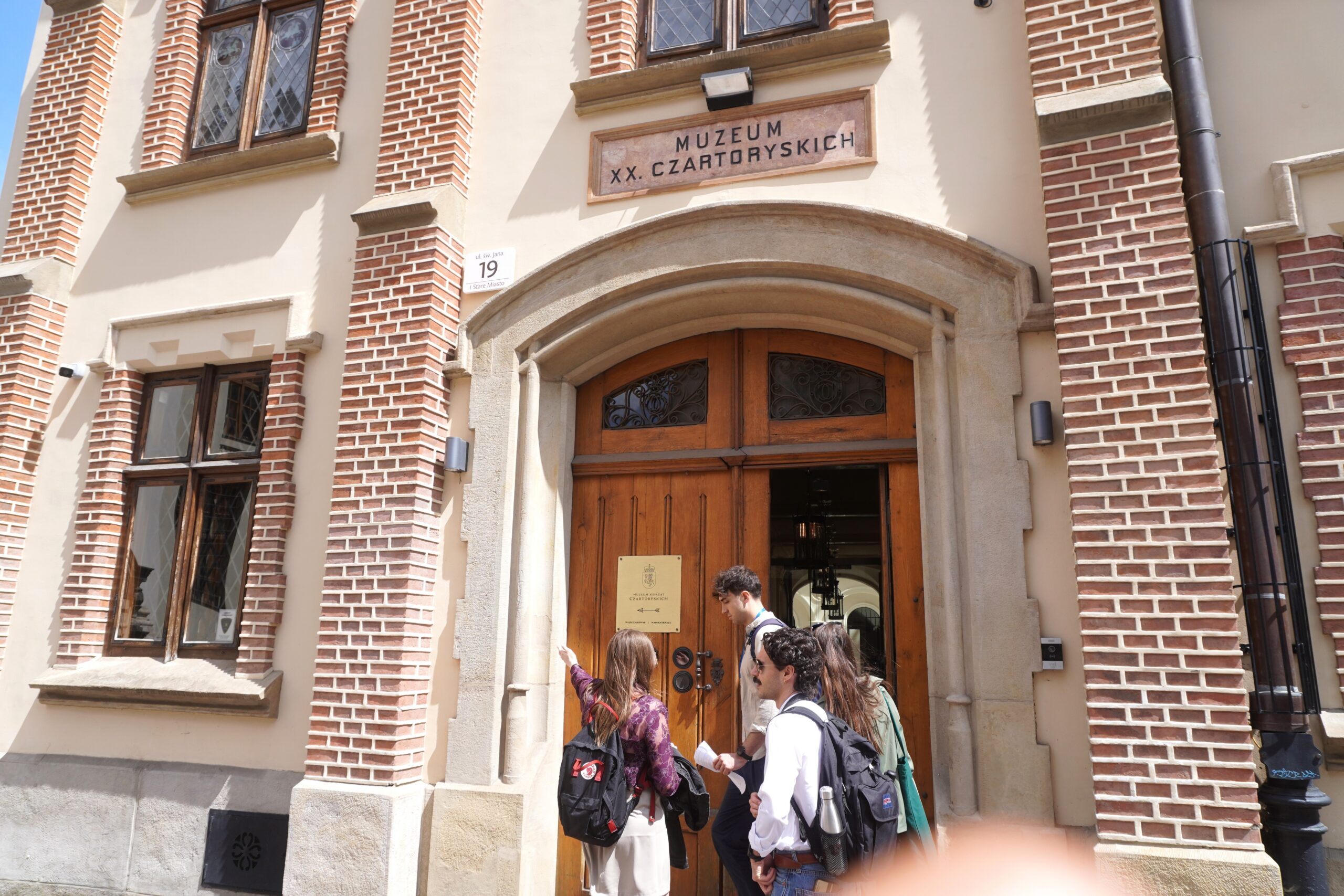
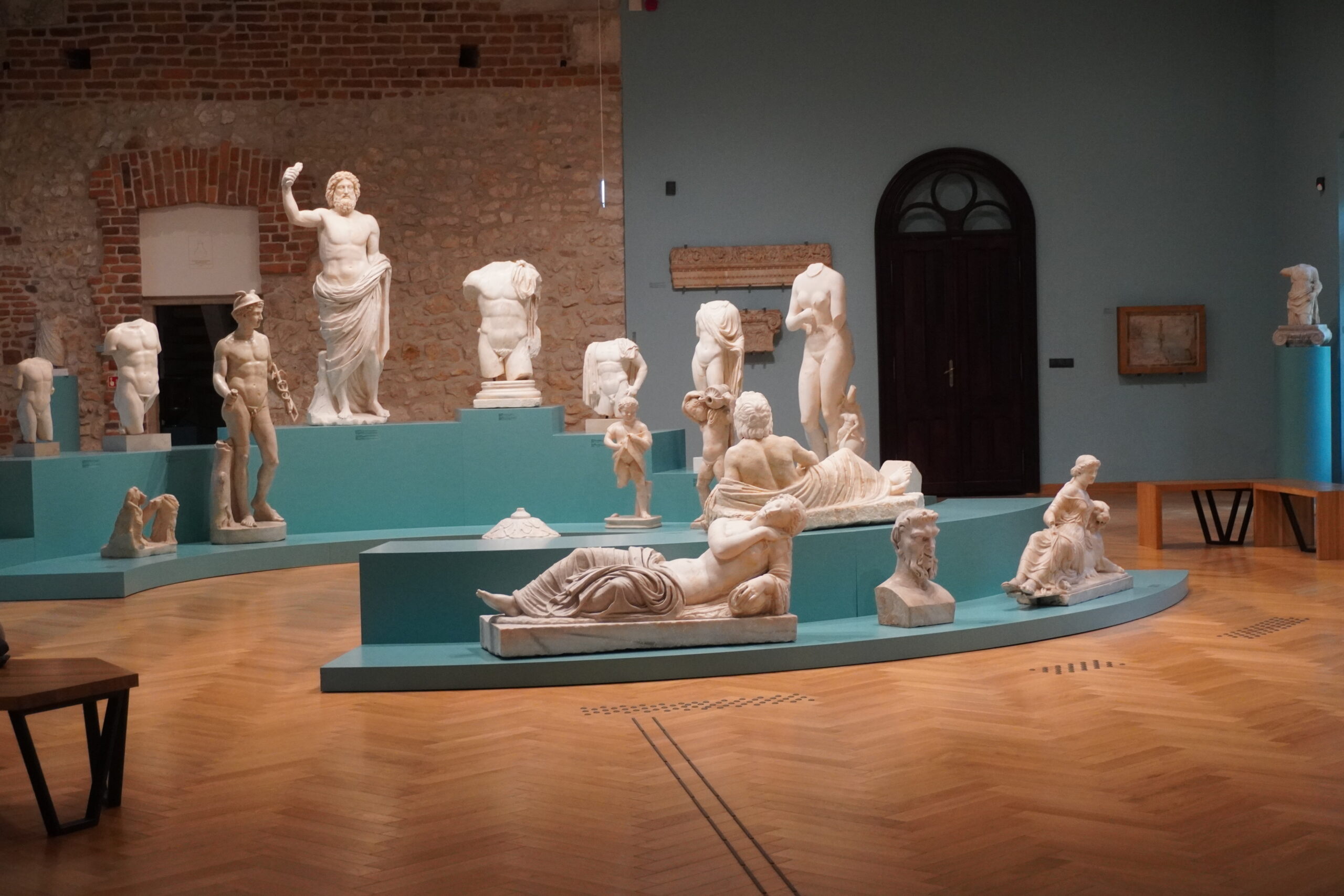
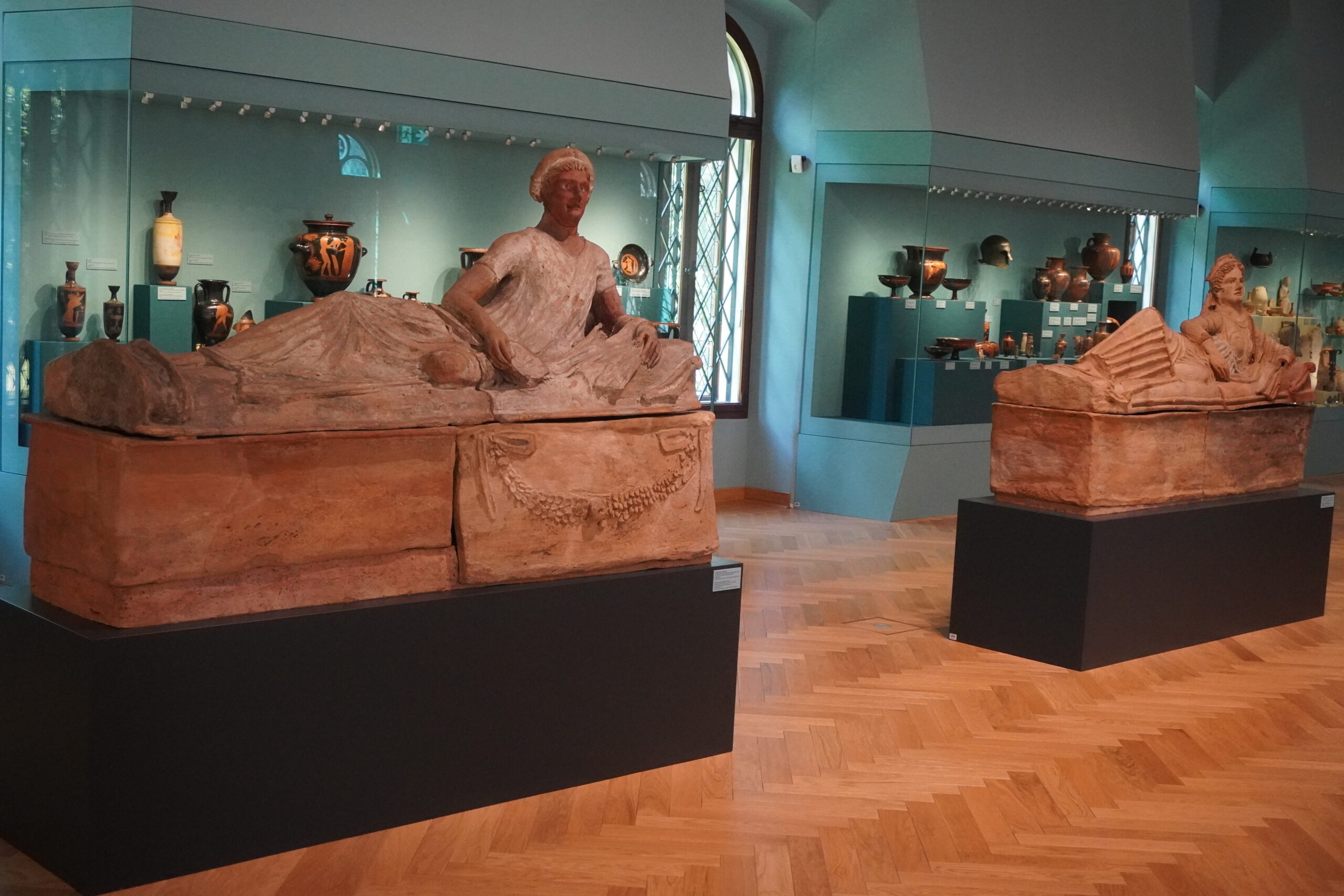
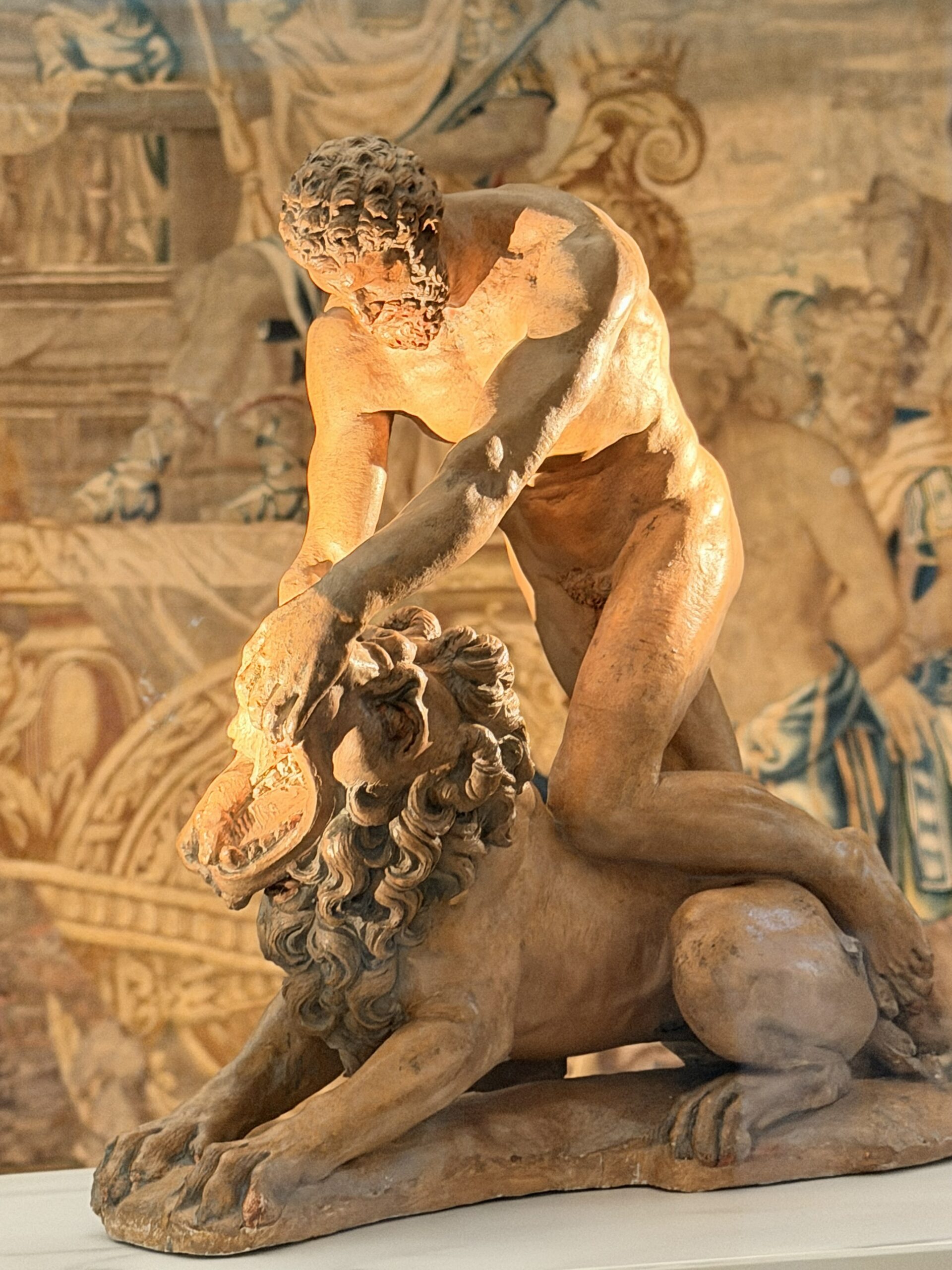
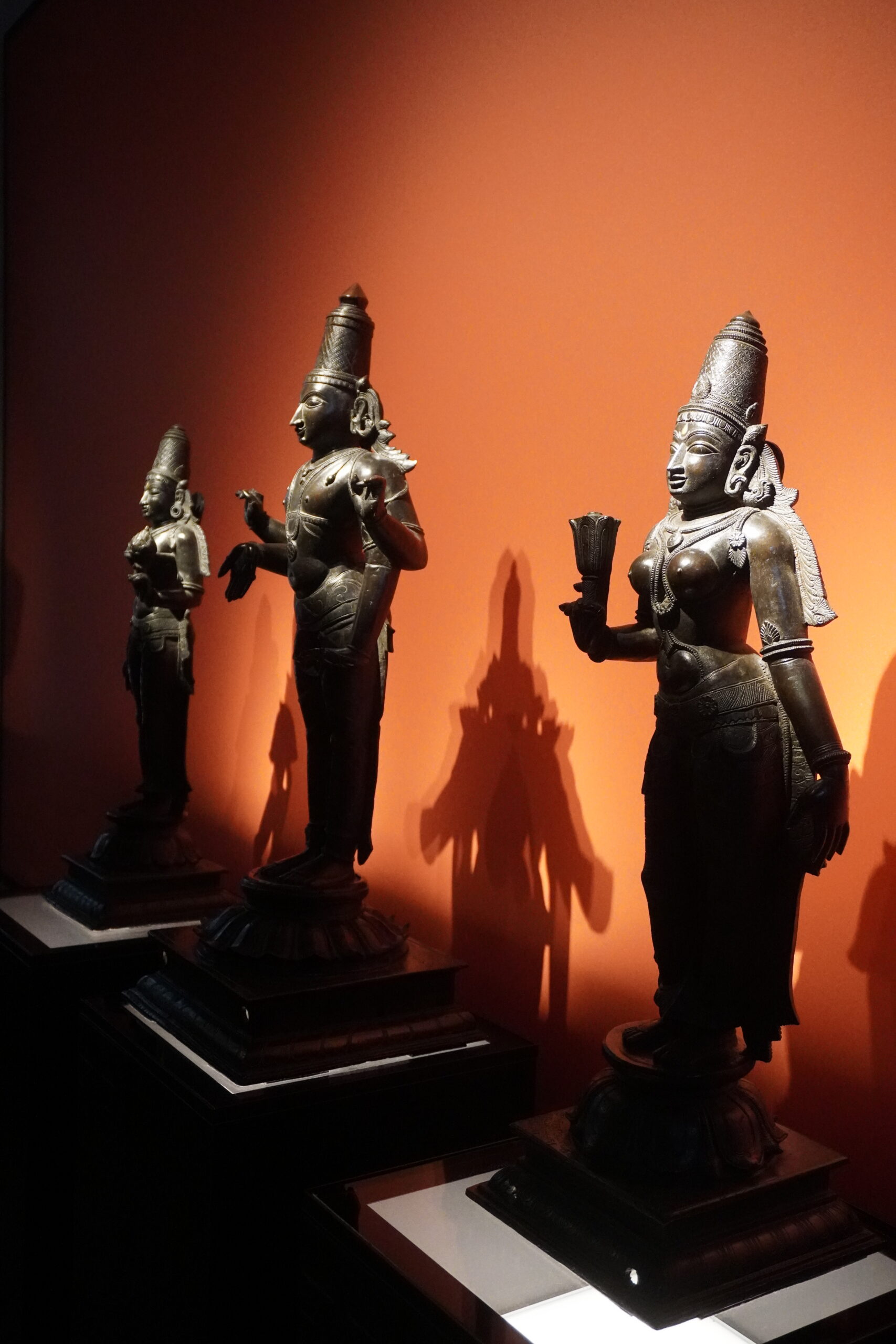
That idea came back at the Czartoryski Museum, home to Leonardo da Vinci’s Lady with an Ermine. Despite the painting itself, the museum’s story, of preservation, loss, and survival, says something about how culture carries memory forward. Our sessions kept circling back to this; creativity rarely comes from ignoring the past. It usually comes from taking it seriously.
The river, and the quiet parts
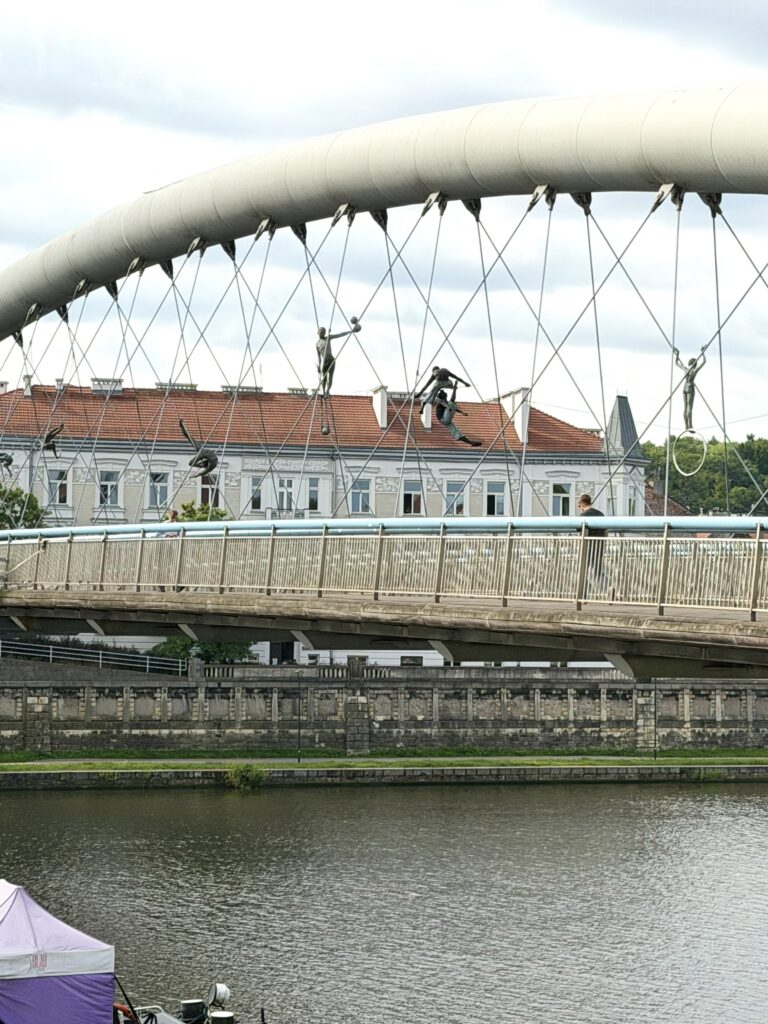
Some of my favourite moments needed no ticket at all. Walking along the Vistula in the evening, watching cyclists and boats and the sun catching the walls of Wawel Castle, gave me space to process everything from the day’s sessions in imagination, AI, museums, policy. Learning needs stillness as much as discussion. I make the best use of this philosophy in my academic journey.
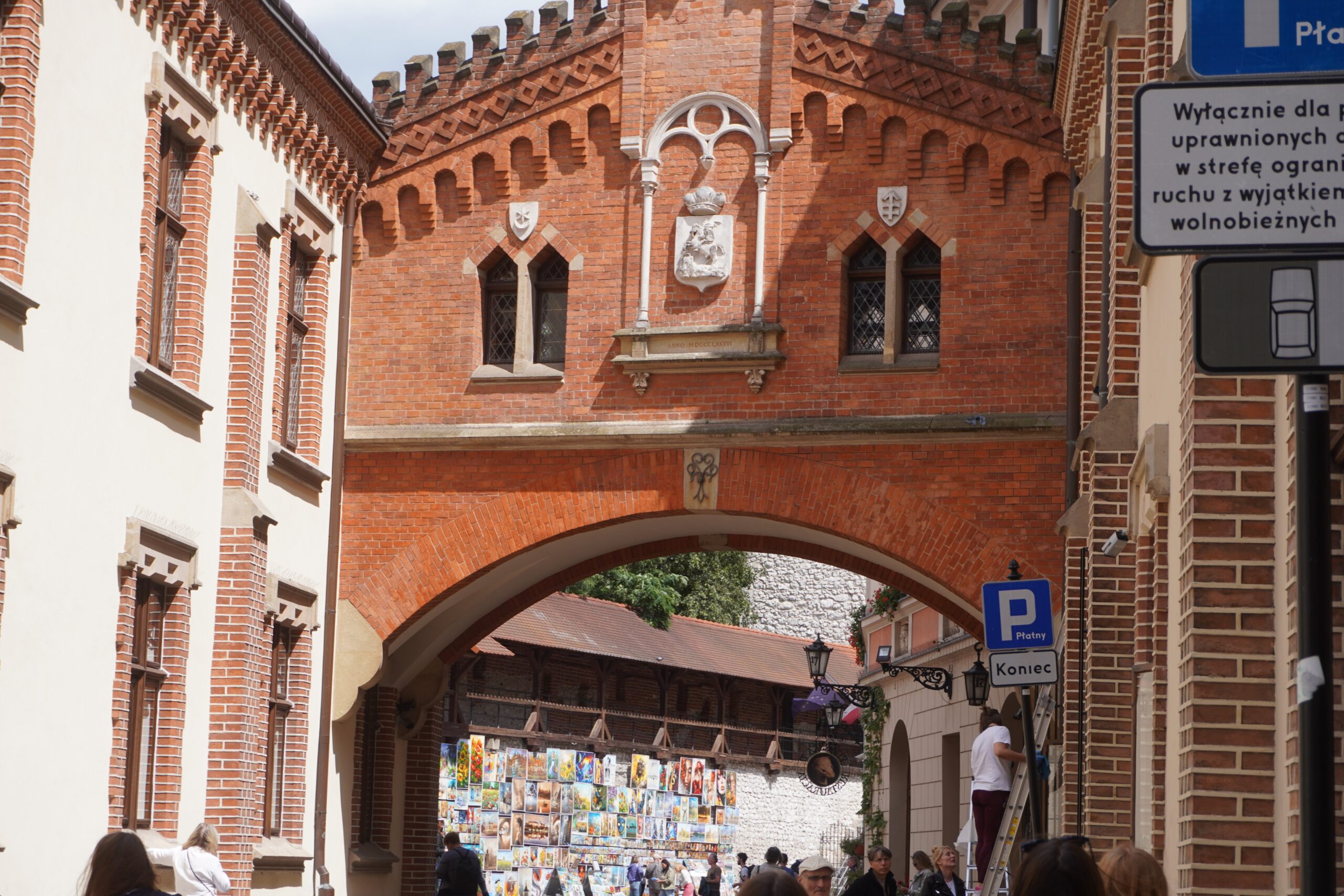
Design Pharmacy, a creative space in the Wesoła district, showed a different side of the city, how old buildings can take on new life through culture and collaboration without losing what made them worth keeping. As someone studying environmental economics, I found it useful to see a neighbourhood adapt without erasing itself.

What stayed with me
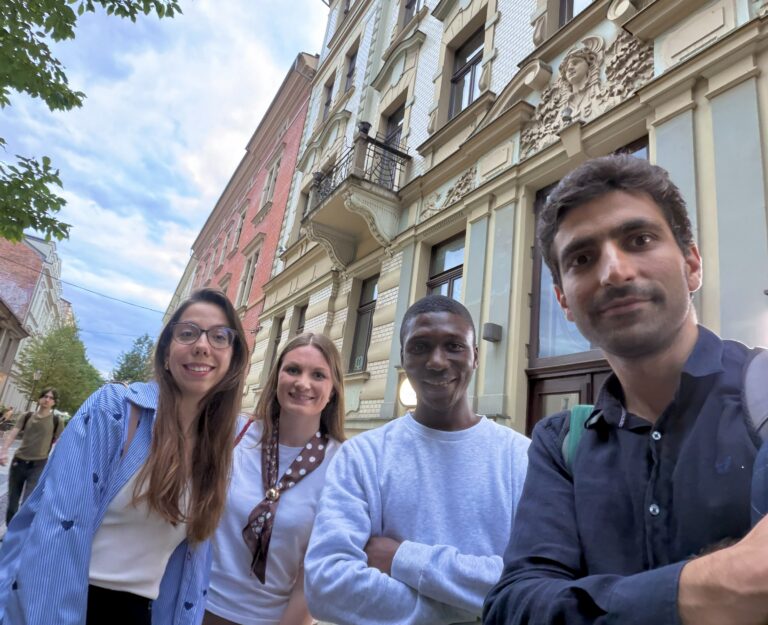
But honestly, the best part wasn’t a building. It was the people. Meals turned into seminars, walks turned into debates, and by the end I’d had real conversations with economists, artists, historians and lawyers I’d never otherwise have met. Thanks to Gemma, Hesam, Dana and Stefani for their friendship and shared moment.
I came to Kraków expecting to see a beautiful city. I left having learned something less obvious, that creativity doesn’t live only in classrooms and galleries. It is in the streets, the squares, and the people who keep shaping what a city means.
I left with photos and souvenirs, like anyone would. But also, with something bigger to pack: a better sense of how a place can teach you, if you let it. Thank you Kraków for being such an amazing teacher to me, and until I see you again. Bye!