About the author:
Alexis Dick is an MSc student in Latin American Studies at University of Oxford.
As a student at the University of Oxford, I had the opportunity to take part in the Europaeum Summer School on Creativity and Innovation at the Jagiellonian University in Kraków, thanks to the Europaeum. There are worse places to think about where new ideas come from. The Jagiellonian is the oldest university in Poland, founded in 1364, and Copernicus enrolled here as a student in 1491 [1].
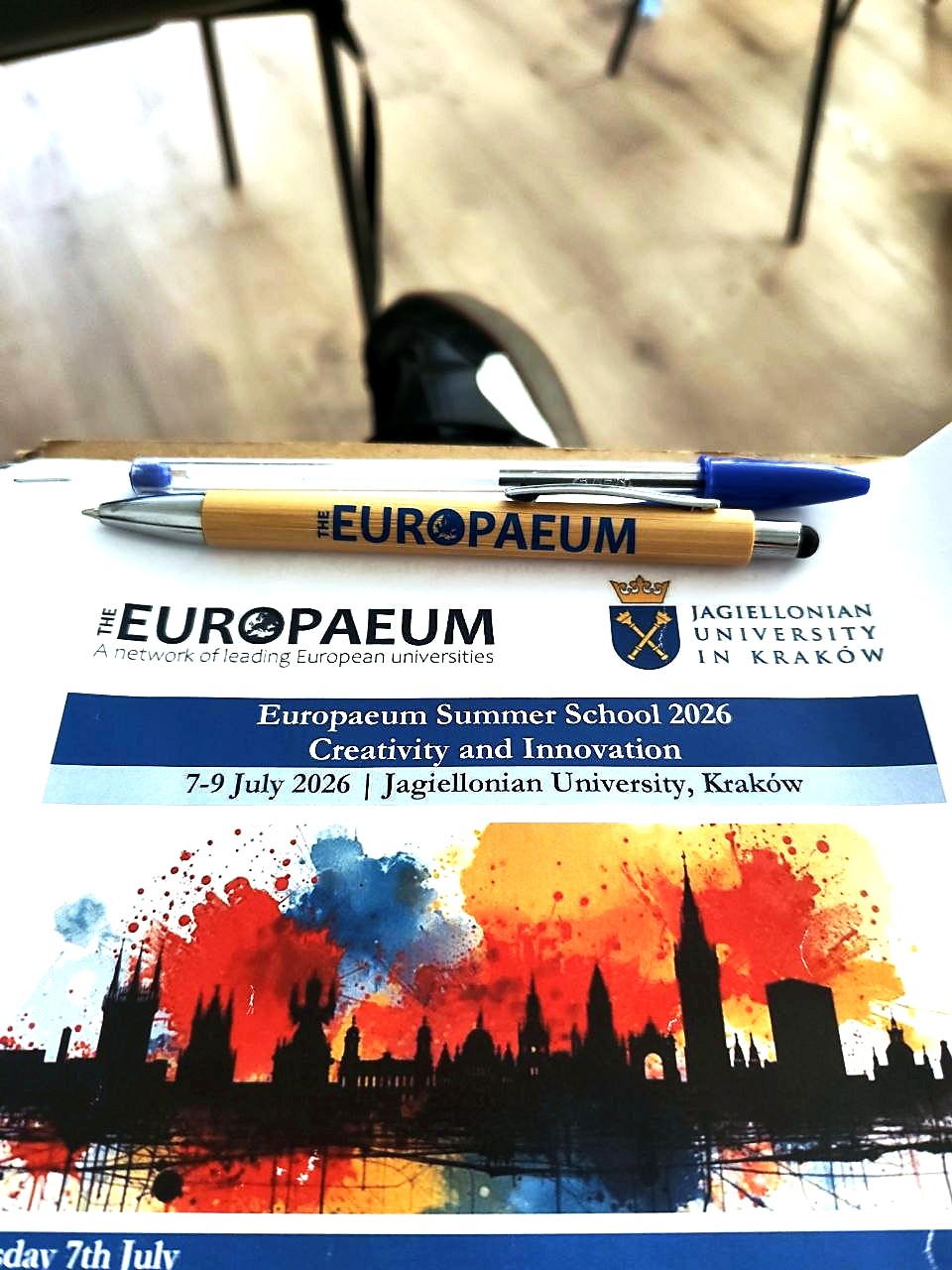
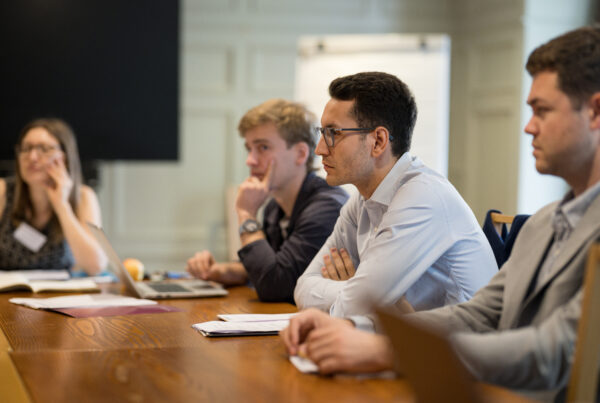
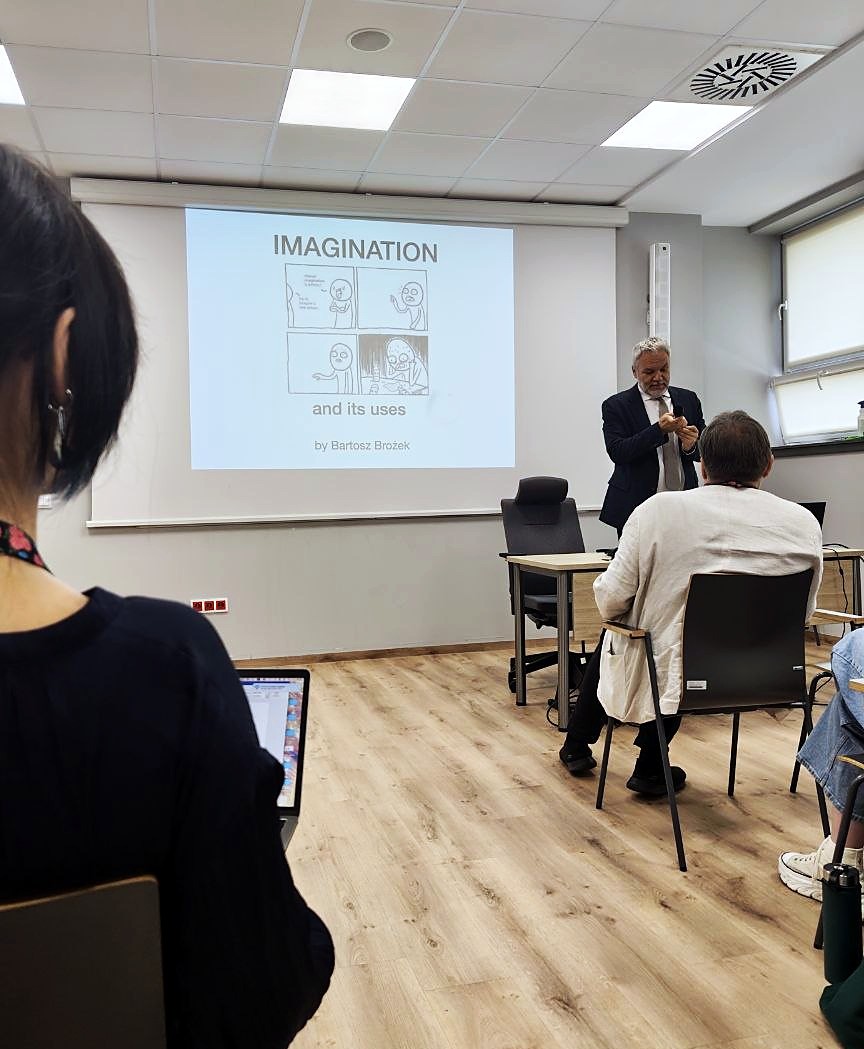
Exploring creativity and innovation feels more and more necessary in a world where a great many people spend their days using AI to brainstorm, or to produce charts and designs, or simply to avoid thinking, which is a contradiction, because AI does not think, at least not in the way humans do. Creativity, imagination and human ingenuity matter more, not less, in a world dominated by technology. Those were the questions we worked through over three days at the Faculty of International and Political Studies, in sessions that ranged from museums and artistic practice to cultural governance and the conditions that allow innovation to happen.
The programme also made room for something that usually gets left out. We are all busy learning new AI tools, and tokens are handed to us “for free”, so we forget entirely what this costs, and not only in monetary terms, thinking of tokenomics, but in environmental terms. The International Energy Agency expects electricity demand from data centres worldwide to more than double by 2030, to slightly more than the whole of Japan consumes today [2]. Used properly, AI can solve many of humanity’s problems, and I have no interest in arguing otherwise. But alongside AI literacy we need an awareness of the environmental cost of every question we put to ChatGPT or other LLMs, and with it the habit of using it wisely rather than automatically, and of looking for alternatives that offer greater sovereignty and a smaller footprint, locally run models among them.
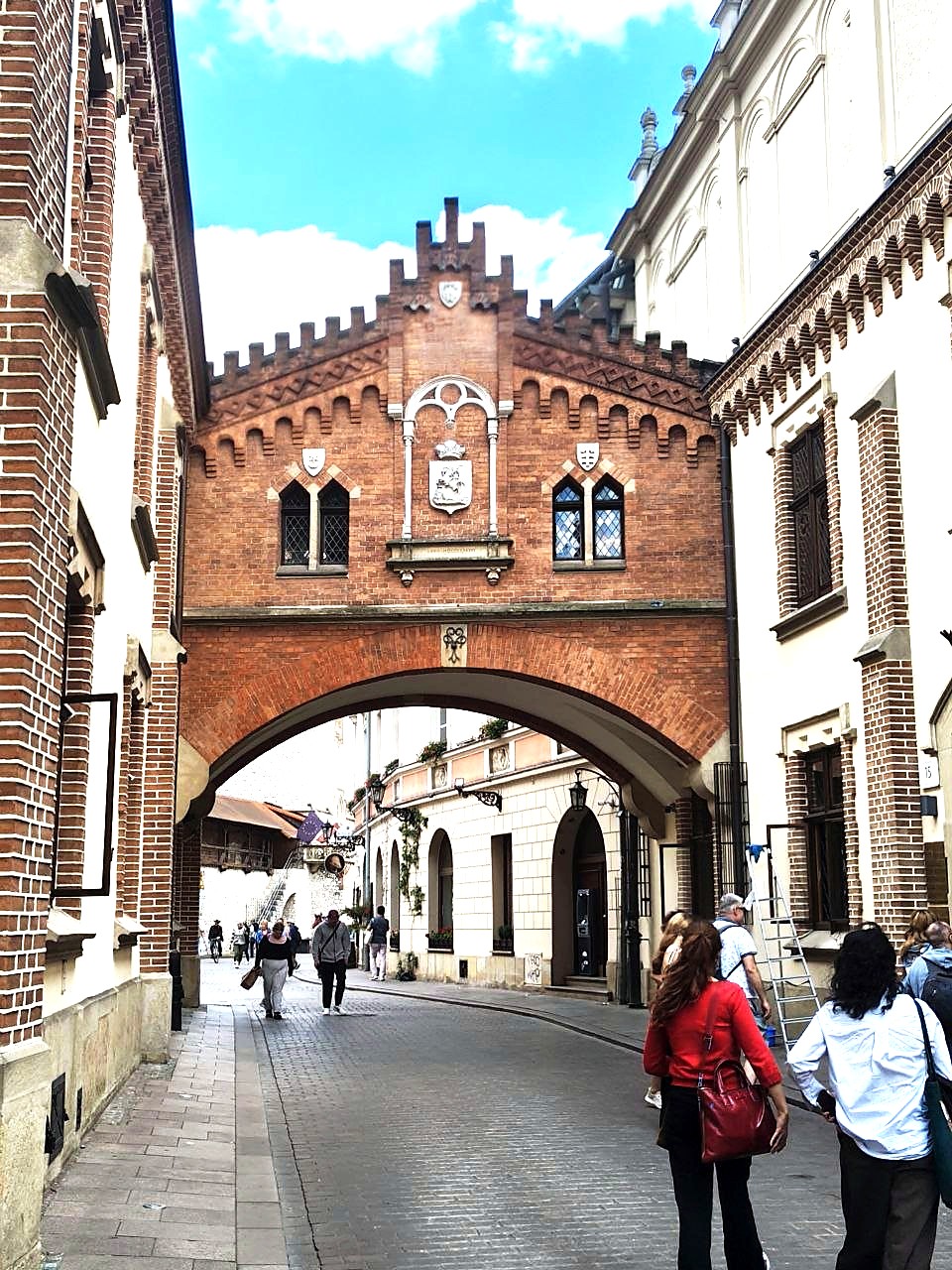
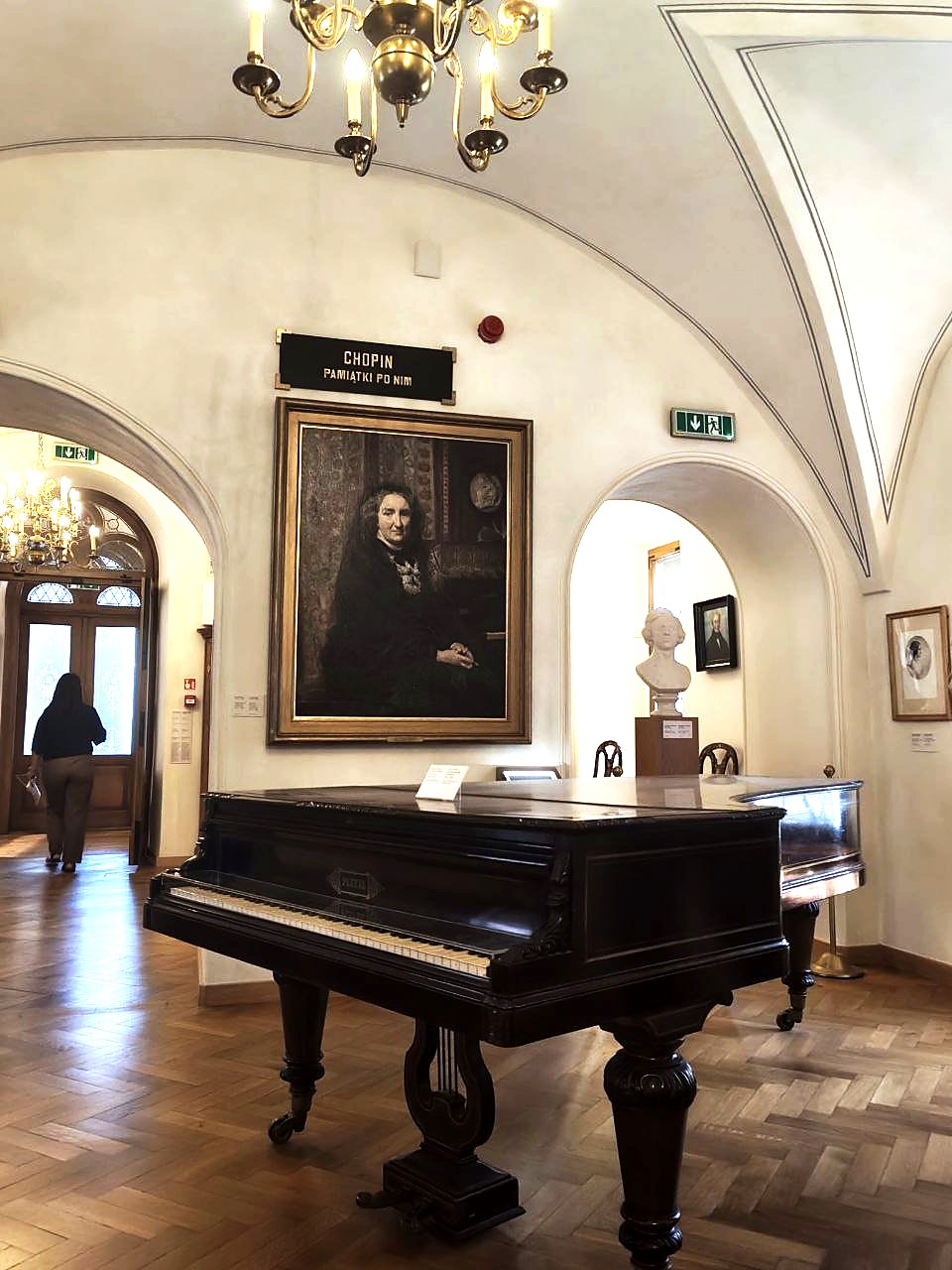
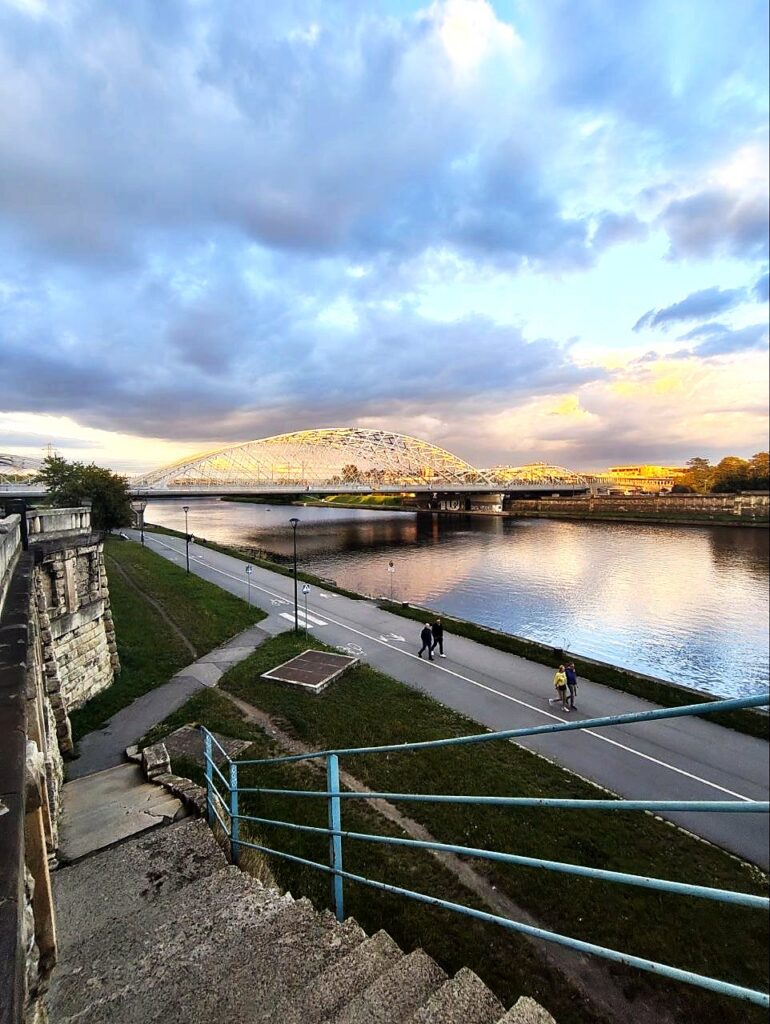
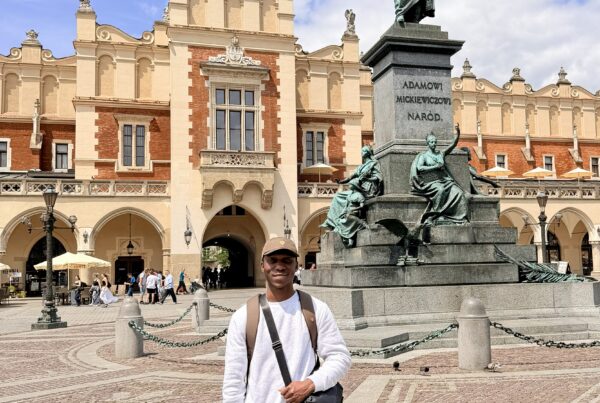
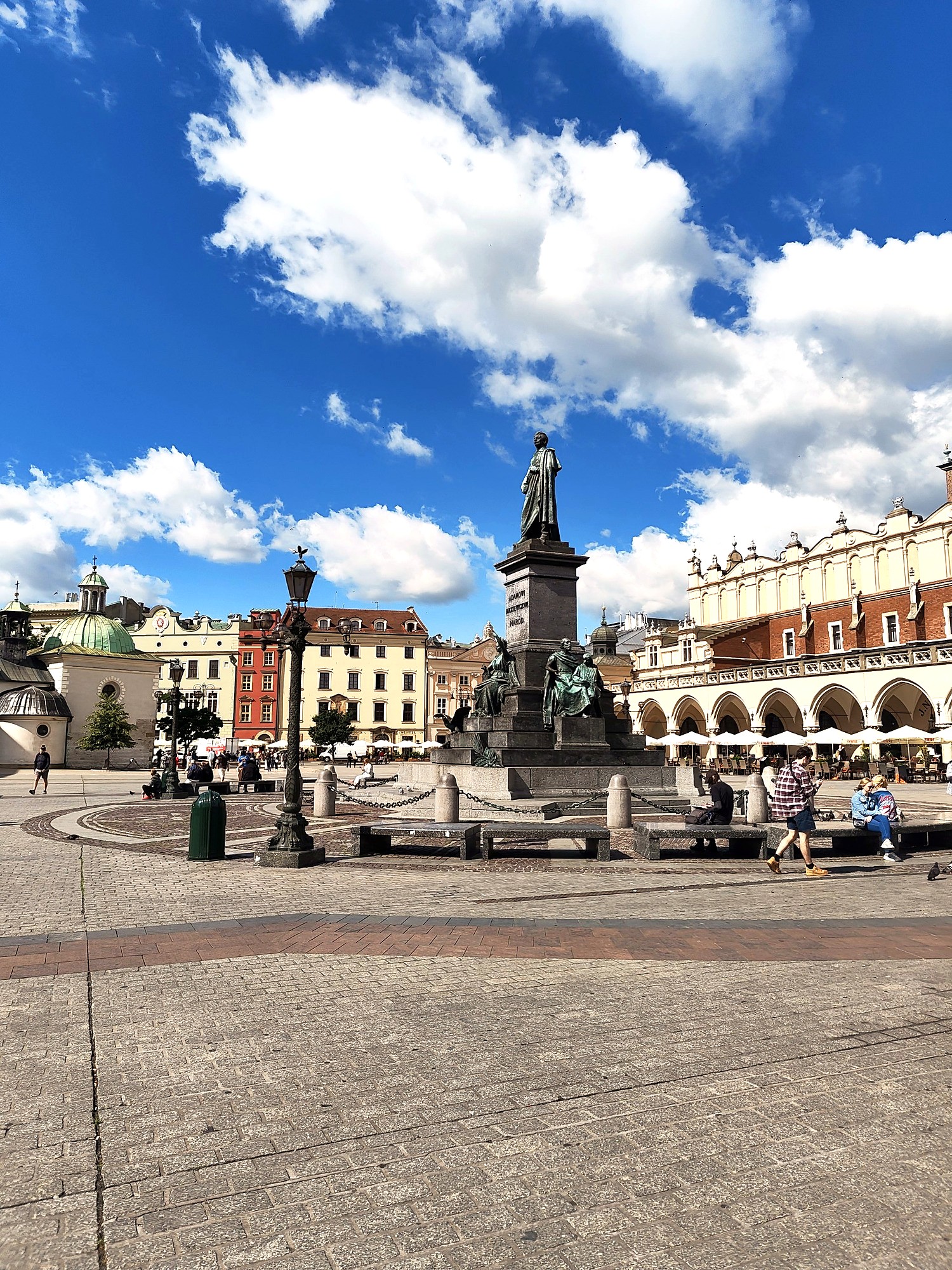
Kraków was the right setting for all of this. Poland’s historic capital sits on the Vistula, and its old town came through very difficult periods in the past and yet had the grace of being preserved, which gives it an enormous beauty in its old buildings. Its historic centre has been on the UNESCO World Heritage List since 1978 [3]. We were given a guided tour of the Czartoryski Museum, where we were delighted by a great many pieces, including the famous Lady with an Ermine, a painting by Leonardo da Vinci.
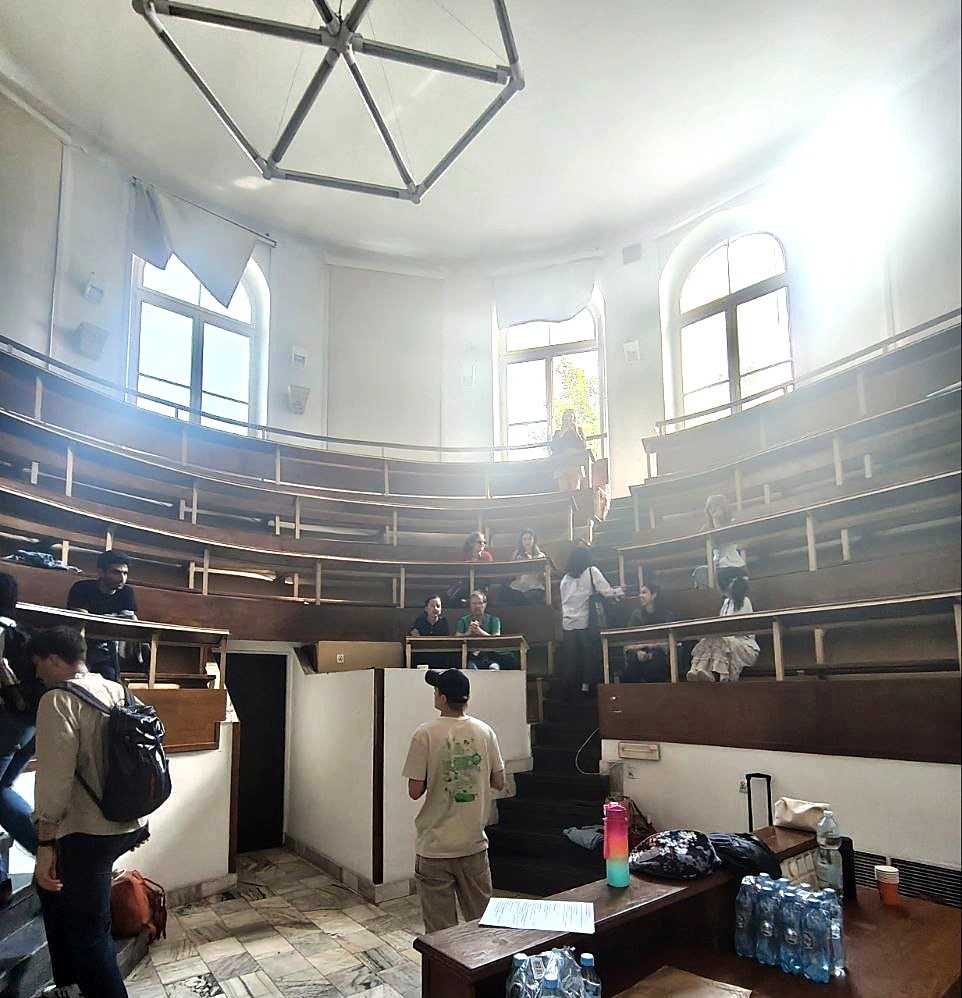
We also visited the Wesoła district, an urban revitalisation initiative turning the site of a former university hospital in the centre of the city into a creative, cultural and social hub. Kraków faces its own challenges, gentrification among them, and initiatives of this type help local people find spaces that encourage creativity and innovation in a different way. Seeing it in person, in buildings that still look like a hospital, made the idea far more concrete than any presentation could.
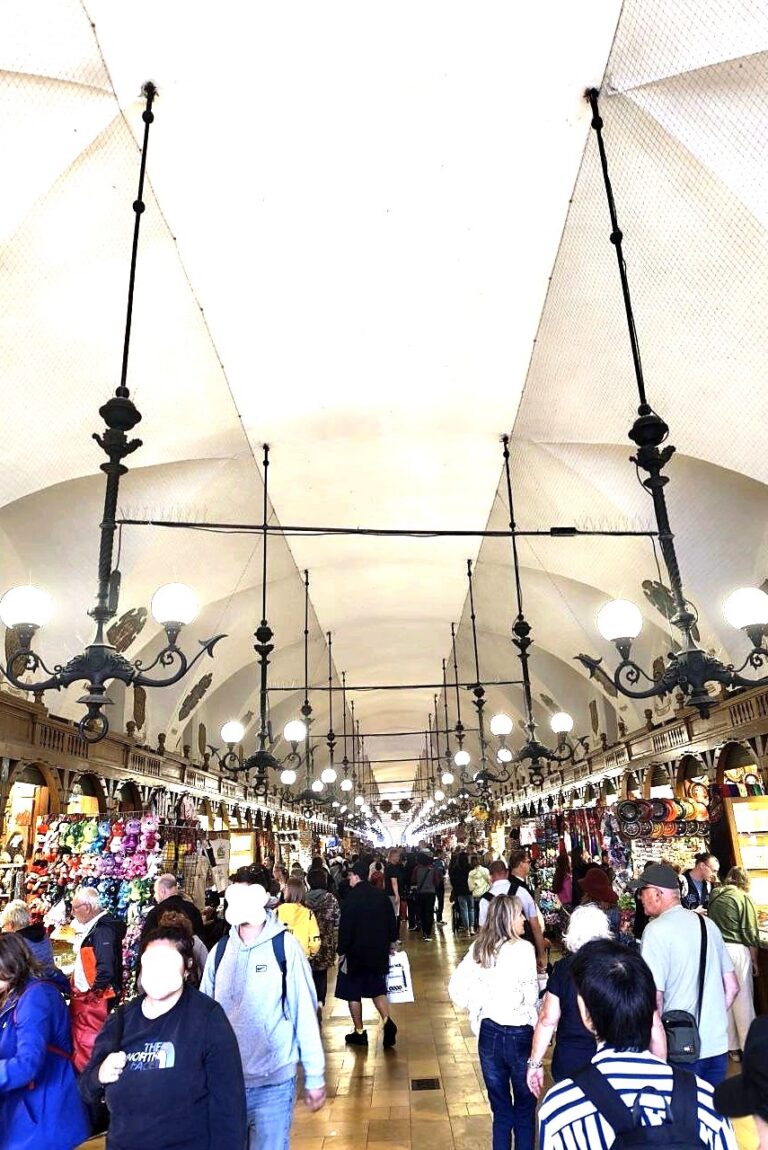
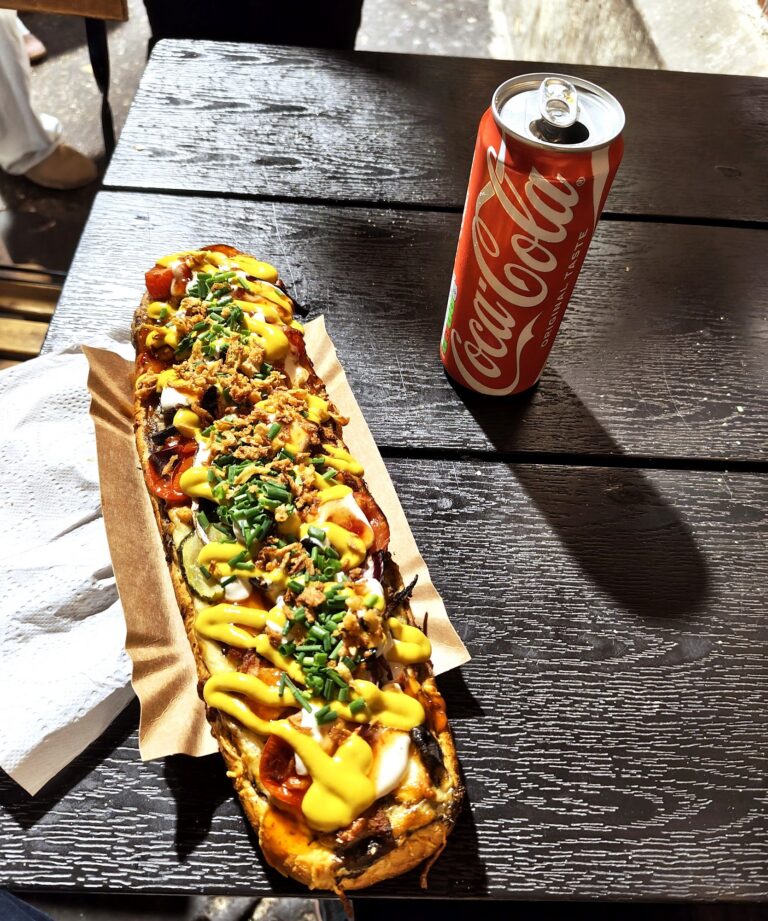
Beyond all that, there are experiences that enrich the trip further, such as visiting the city’s markets, above all the covered market in the middle of the main square, and tasting traditional food, such as the zapiekanka, which you buy from one of the small windows of the round building in Plac Nowy.
In the middle of all this, the most important thing was the connections made during the event: colleagues from different countries and universities, with different expertise and different backgrounds, brought together to discuss the same questions from very different places. Without any doubt, what I take away above all is the network, which does not end when the event does. These are events that invite you to rethink Europe, its past, its present and its future. Beyond the dominant narratives there are different Europes, and both locals and outsiders have something to contribute to those conversations.