About the author:
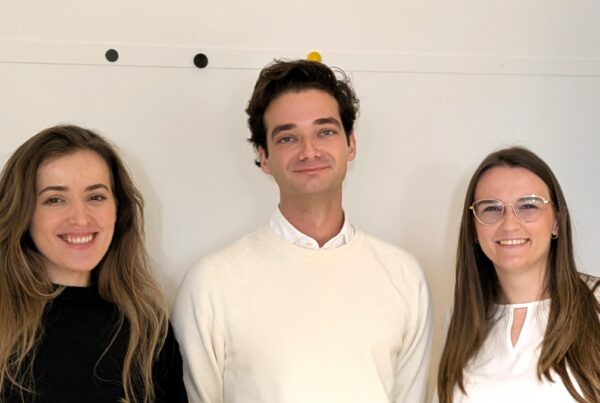
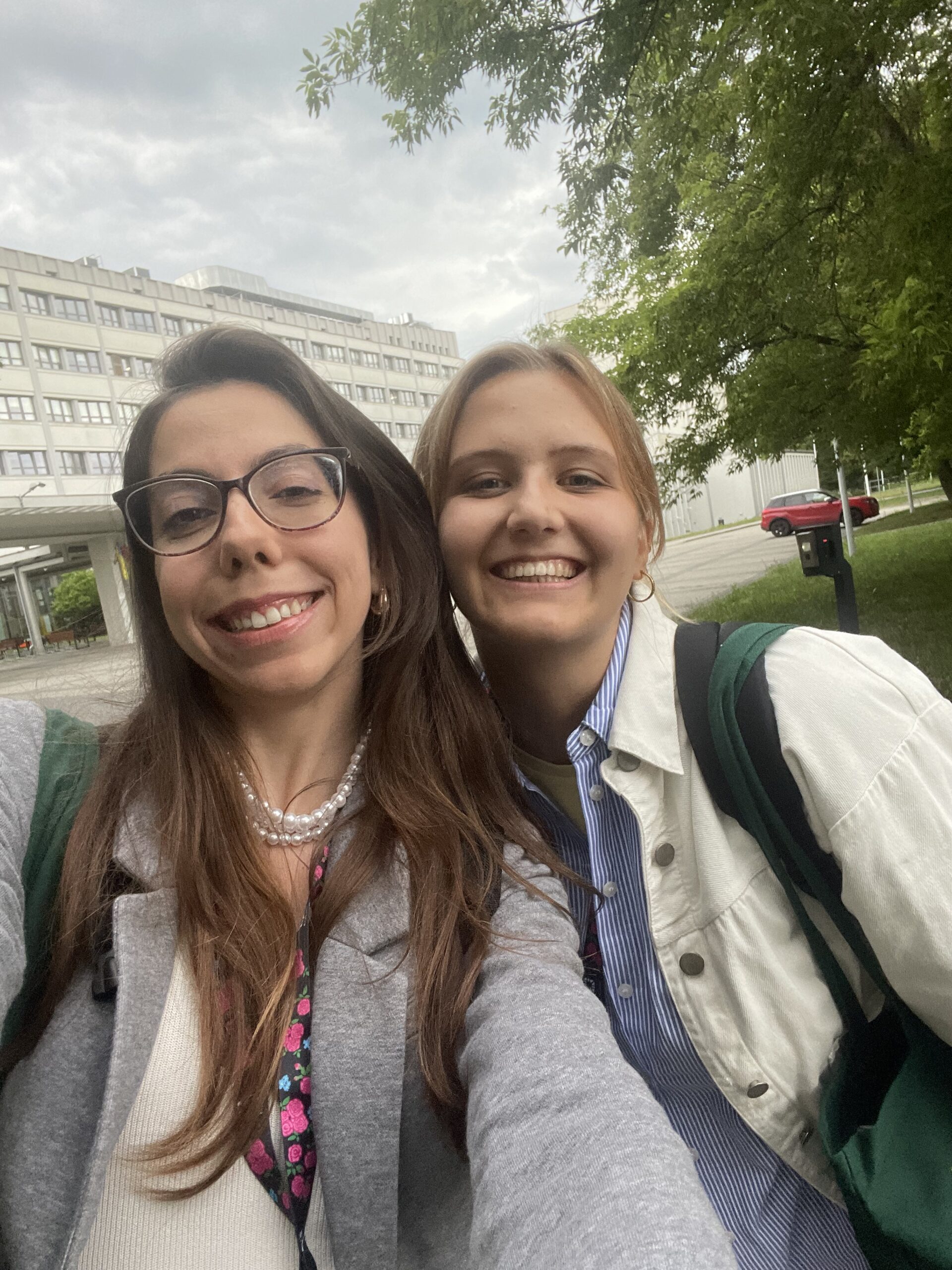
Hi! 🙂 My name is Stefani Tavares. I’m from Brazil and currently pursuing a Master’s degree in European and Global Studies at the University of Padua. Today, I’m excited to share my experience at the Europaeum Summer School at the Jagiellonian University in Kraków with you!
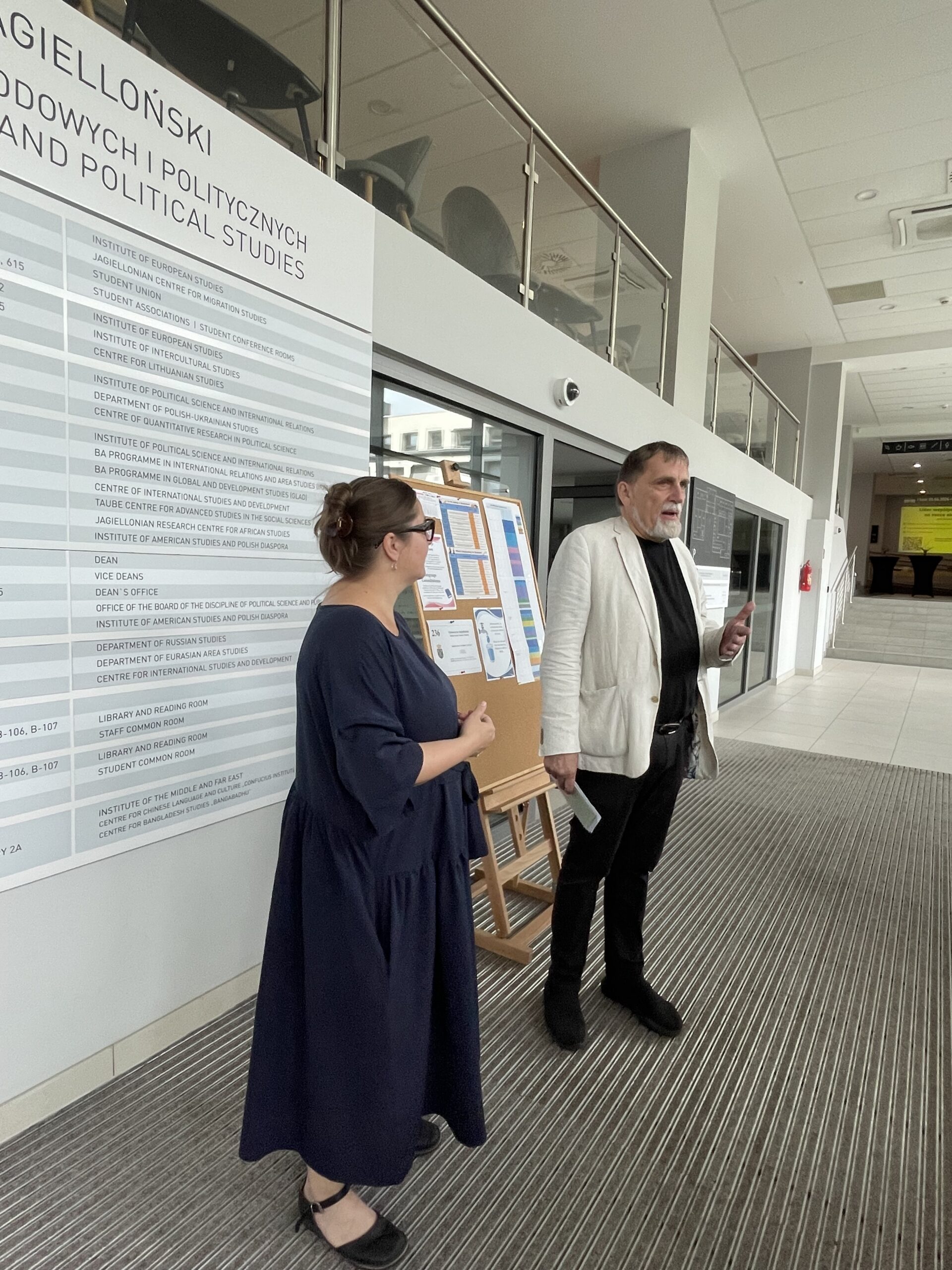
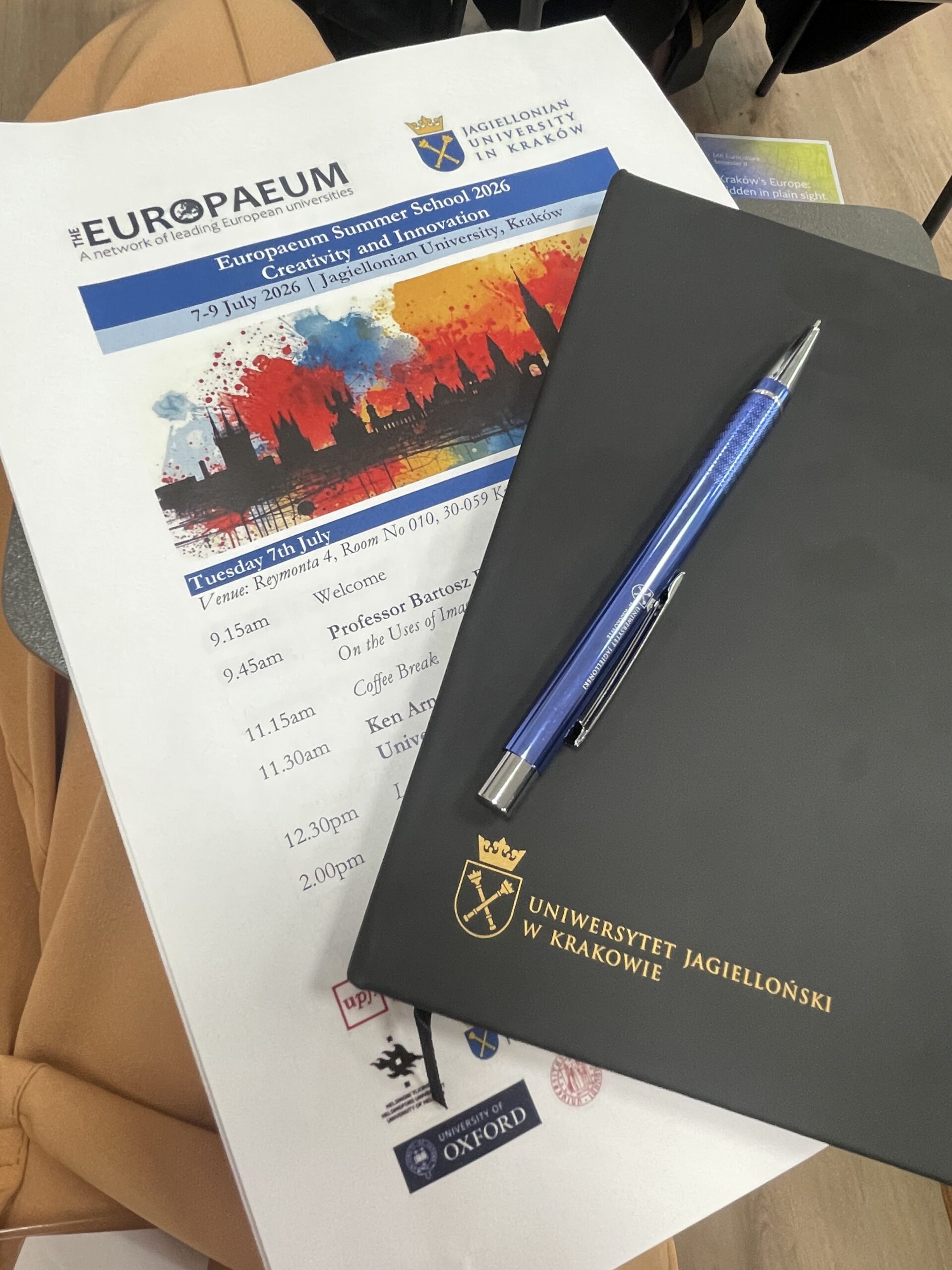
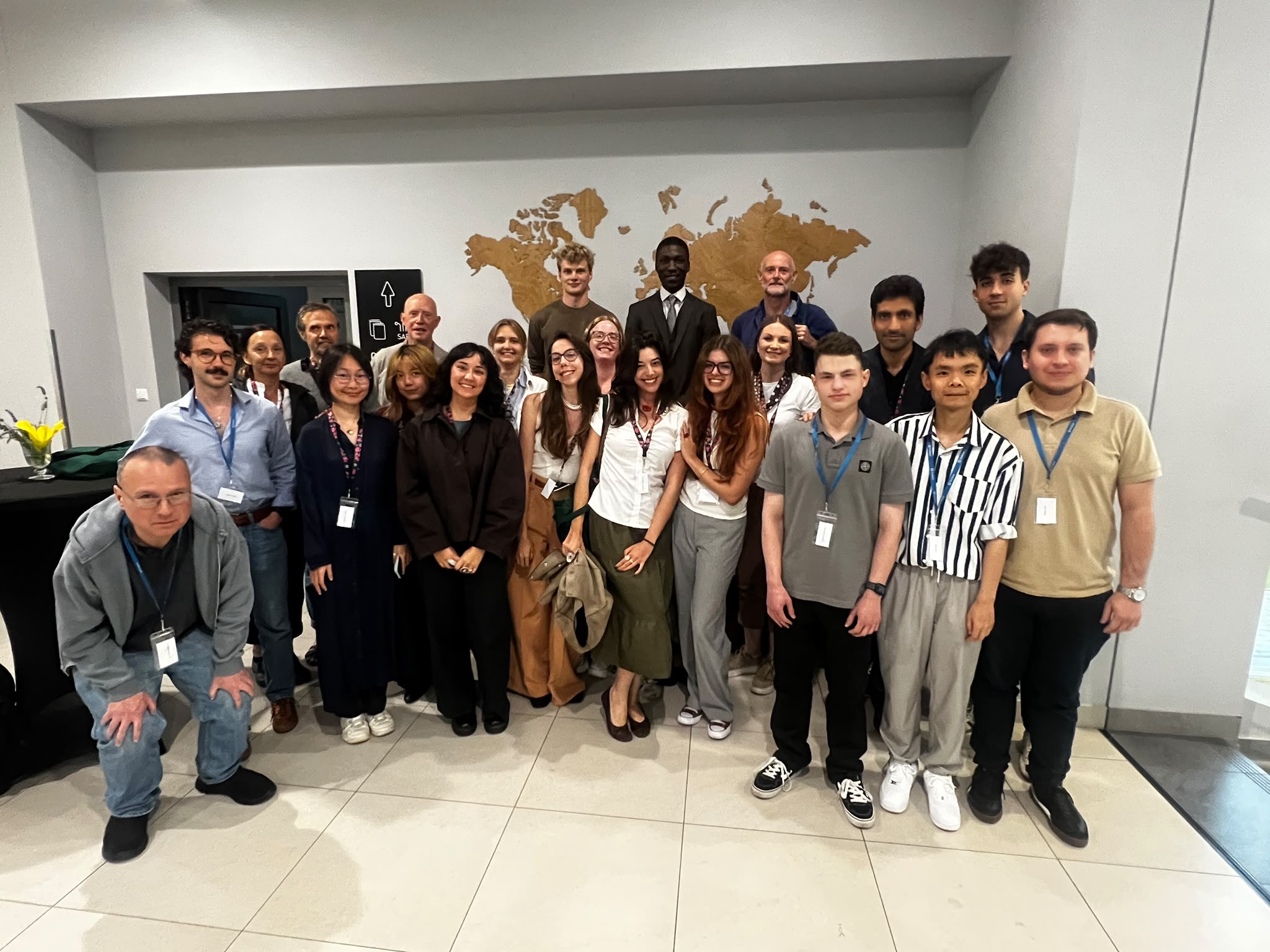
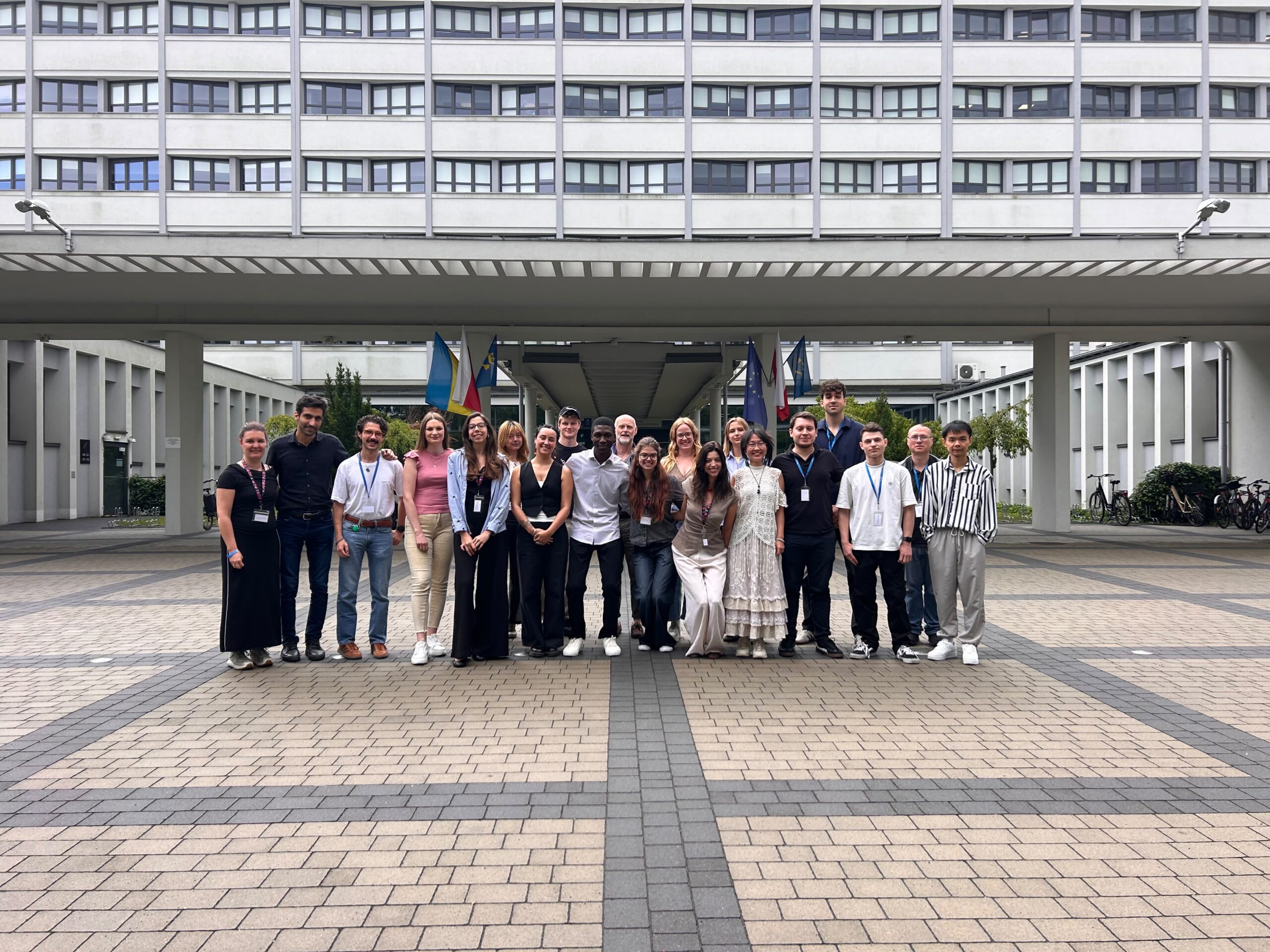
From 7-9 July, 23 students from all over the world, studying at Europaeum member universities, gathered for a shared purpose: to discuss creativity and innovation. It was three intense days filled with networking, cultural exchanges, visions of the future, and, above all, immense learning.
Day 1: Intuition, Museums, and Artificial Intelligence
The official opening took place at the historic Jagiellonian University in Kraków. We were warmly welcomed by Dr Miles Pattenden (representing the Europaeum network) and the university hosts.
The Vice-Rector for University Development of the Jagiellonian University, Professor Bartosz Brożek, set the tone for the event with a profound analysis of the language of thought, imagination, and intuition, drawing on examples throughout human history such as Einstein, Plato, Socrates, and Galileo Galilei. His conclusion really resonated with me: we must remember to use our intuition alongside our logical interpretations.
Next, we shifted perspectives with Ken Arnold (Director of the Medical Museum in Copenhagen). He brought two distinct cultural views on museums, comparing the Welcome Collection in London and the Medical Museum in Copenhagen. He reminded us that museums are spaces of shared experiences that draw curiosity toward things we often overlook. As he eloquently put it:
“Creativity resides on the cognitive side.” We must focus on our objectives, on time and space, and on the mysterious and unknown.
In the afternoon, we debated Artificial Intelligence as a machine culture, guided by the perspectives of Sofia Oliveira and Jared Hawkey, and wrapped up the academic sessions with presentations from three fellow students.
The evening? A delicious Mexican-themed dinner! Despite catching a sudden rainstorm on our way there, it turned out to be a super fun time filled with great conversations to close out our first day.
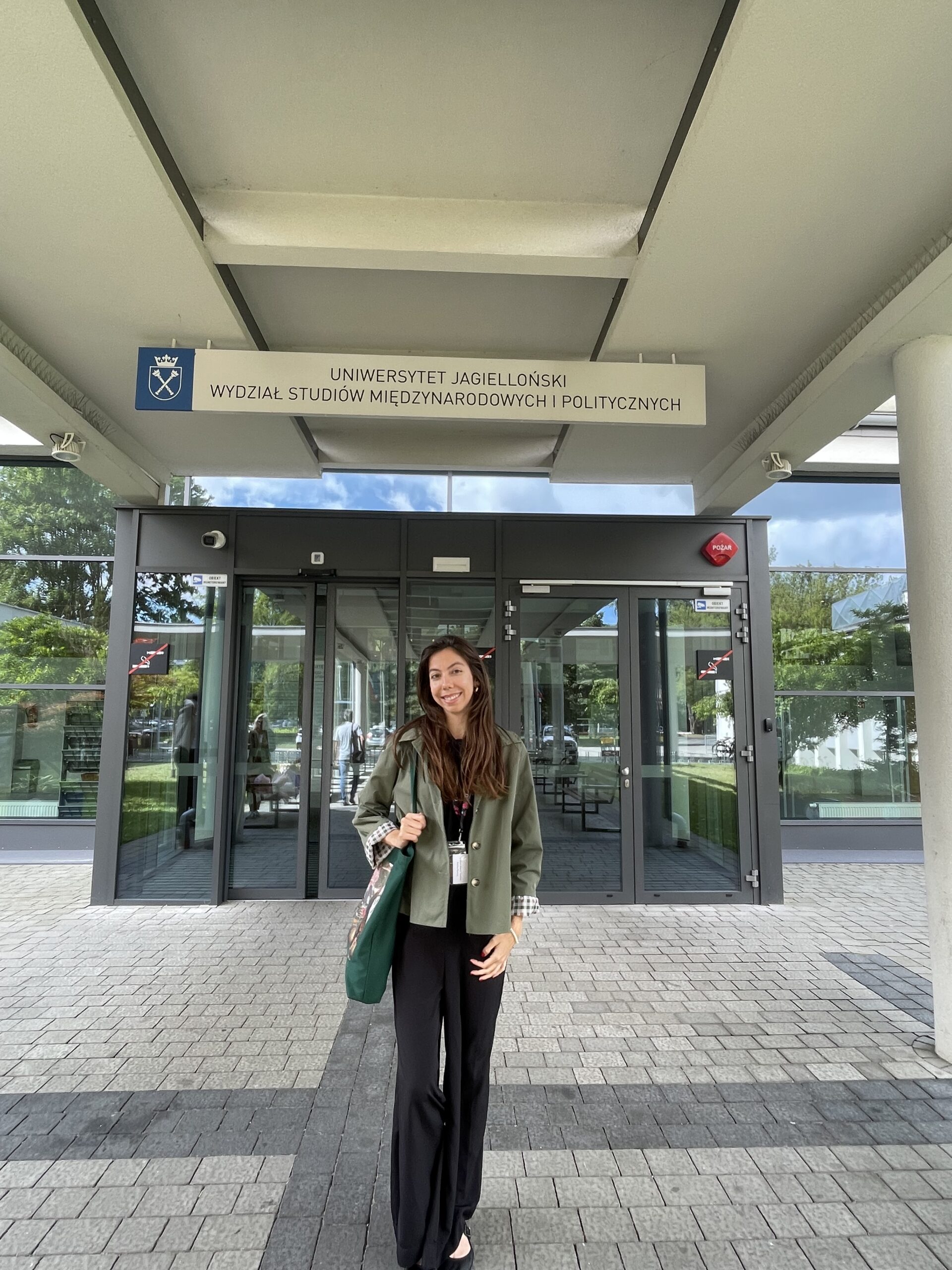
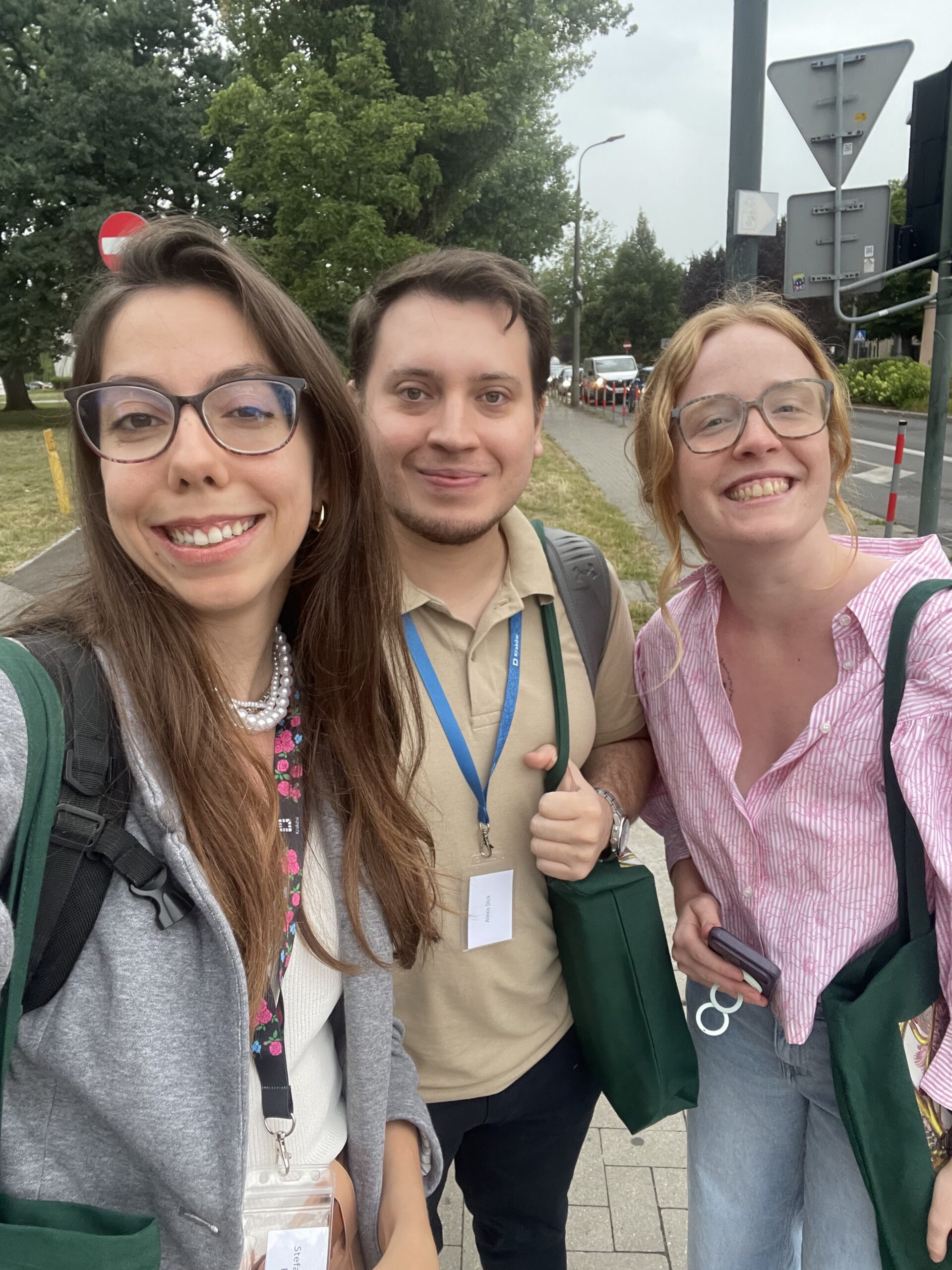
Day 2: History, Art, and Deep Reflections
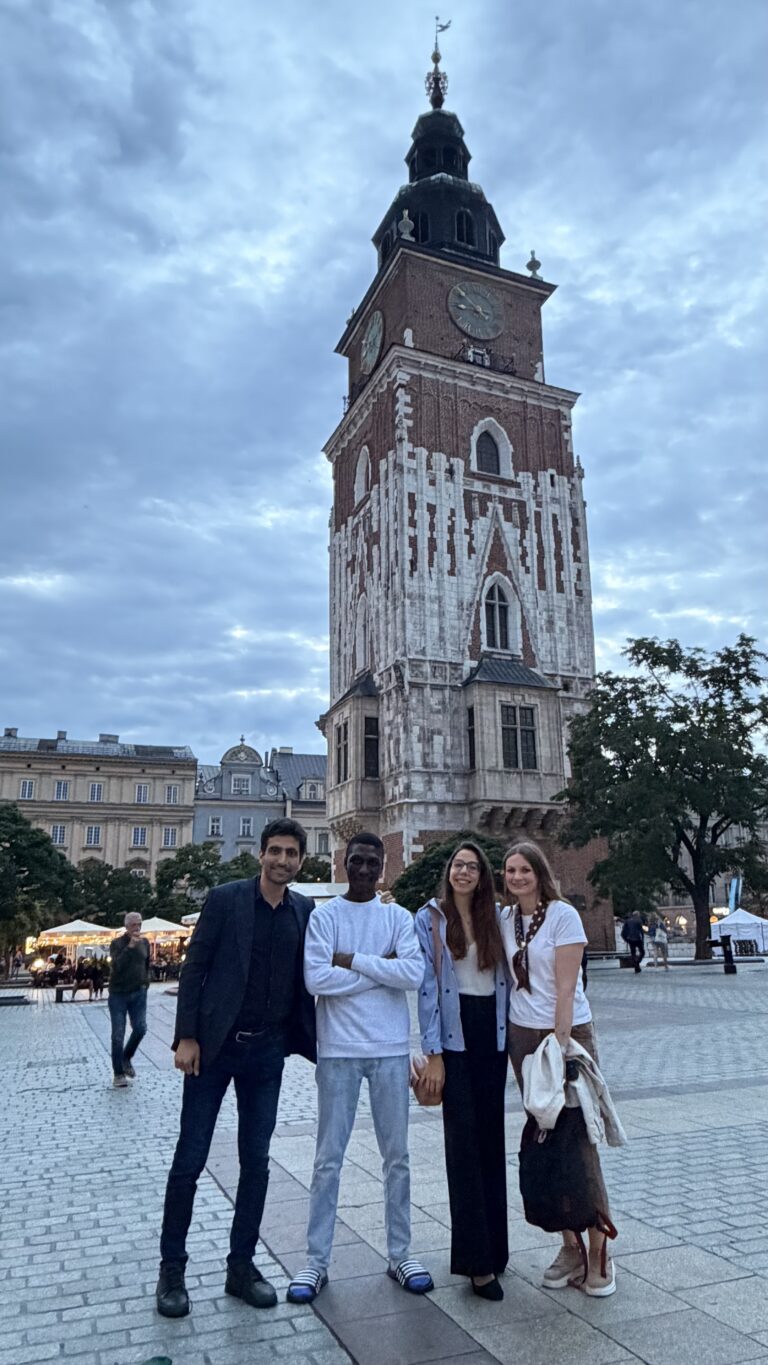
Something that deeply marked my second day happened during a walk through the Jewish Quarter (Kazimierz) after dinner. As three other participants and I reflected on the tragic history of World War II and its impact on Poland, I had a sudden realization about how much we learn from the past, present, and future.
It hit me: I will never be in my 20s again, standing in a neighbourhood that witnessed so much history, reflecting on life alongside students with such brilliant backgrounds and knowledge. I couldn’t help but feel deeply reflective and grateful for that moment.
Back in the sessions, Iris Jugo shared her experience working with the Cáceres Project, followed by Daniel Gołębiowski’s case study on UNESCO, which concluded with a powerful takeaway: UNESCO speaks to the world, not to individual countries.
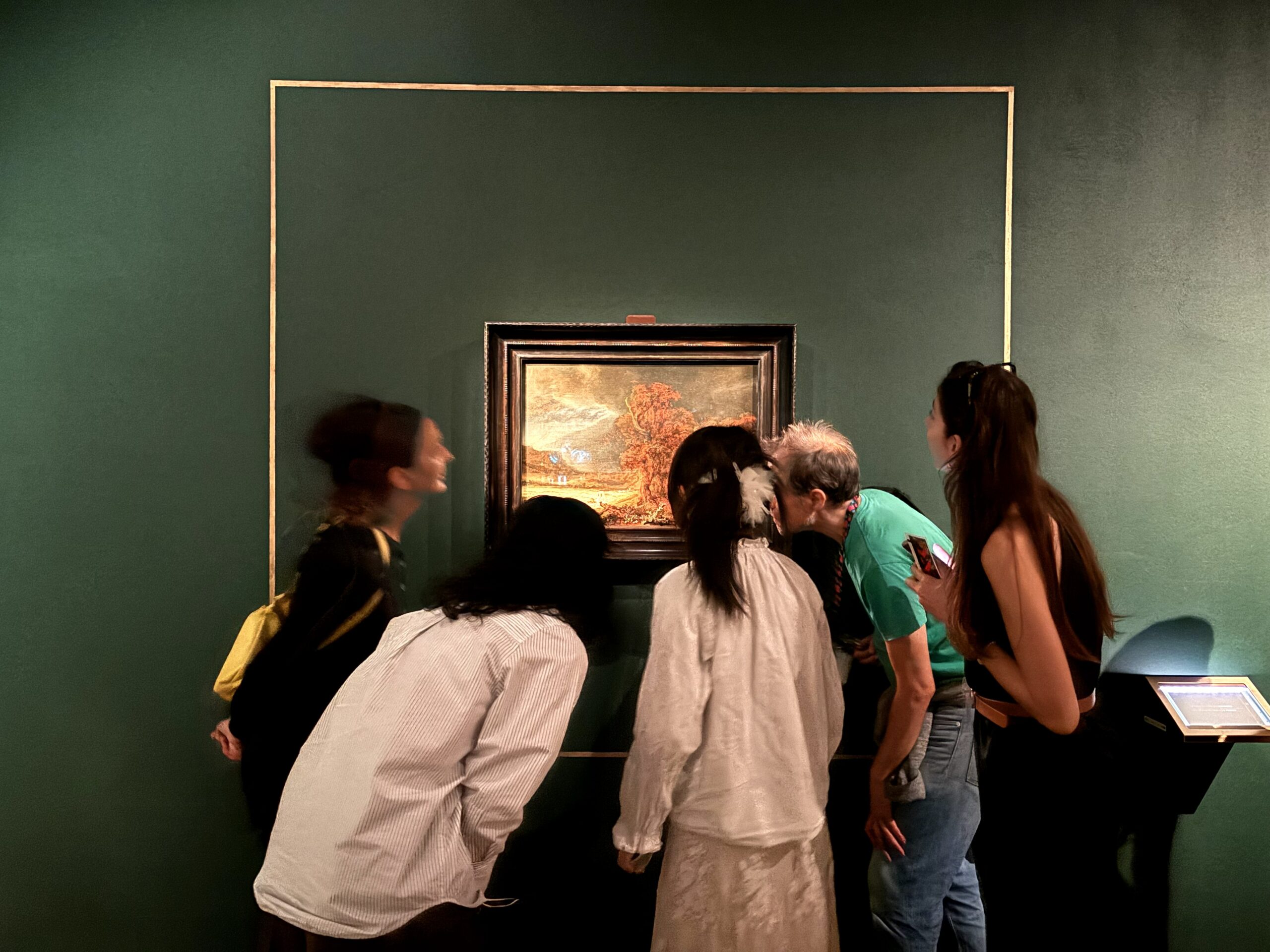
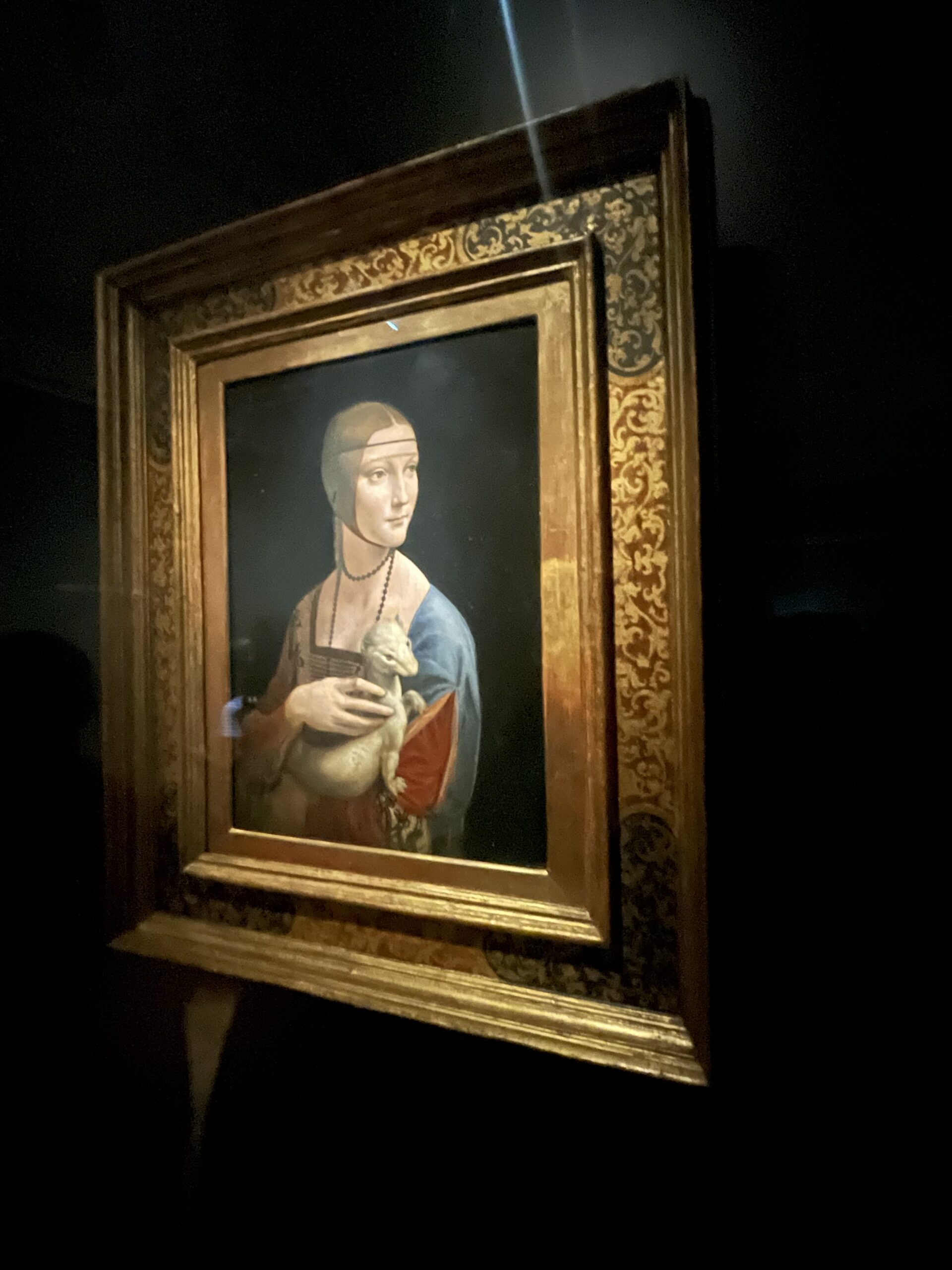
In the afternoon, we took a guided tour of the Czartoryski Museum, where we uncovered fascinating stories from the importance of Queen Isabella in Kraków to Leonardo da Vinci’s famous painting (Lady with an Ermine) and another masterpiece (Landscape with the Good Samaritan). So much rich history under one roof!
We also visited the Design Pharmacy in the Wesoła District a former psychiatric hospital transformed into a welcoming community space for all ages guided by a student from Jagiellonian University. We wrapped up the night sharing a great meal at an Italian restaurant.
Day 3: Hands-On Work and Thinking Outside the Box
On the third and final day, we put theory into practice with a hands-on workshop led by Iris Jugo. We split into small groups to brainstorm an idea for a European project, building on the concepts discussed the day before.
During our group’s discussion, I brought up the concept of “thinking outside the box” which was later cited during the closing reflections. To me, it means pushing beyond how our brains have been conditioned to think and stepping completely outside our everyday perspectives.
We concluded the Summer School with the final student presentations and the closing ceremony
As we say back home in Minas Gerais, Brazil, “it’s a small world,” but it’s up to us to change what we see isn’t right.
The Europaeum is a fantastic network of diverse universities, and I was able to experience the Summer School in Krakow to its fullest through networking, knowledge exchange, sharing ideas and cultures, and engaging in conversations with people from all over the world.
As the Europaeum Director mentioned to me, the world needs people like us who can see the other side of the coin and are driven to move forward and change our surroundings. Thank you, Europaeum, for this incredible experience! This event will forever be etched in my memory and my story.