About the author
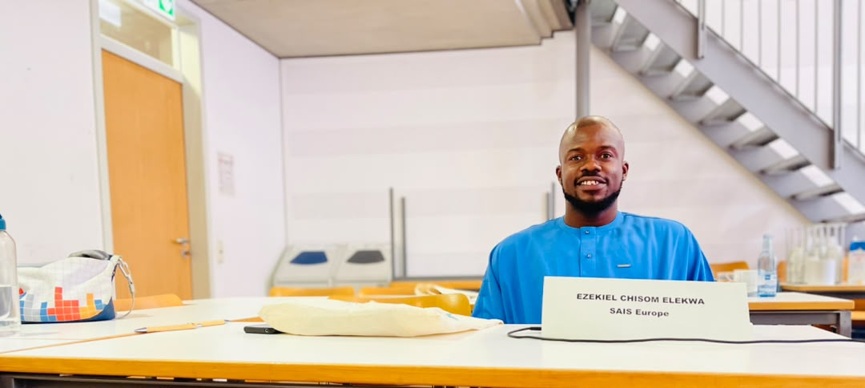
Elekwa Ezekiel Chisom is a Master’s student of International Public Policy (Energy, Environmental Protection, and International Development Policy) at SAIS Europe.
Ezekiel’s Travel Diary
Travelling from Bologna to Munich for the Europaeum History and Classics Seminar 2026, “Decolonising Europe’s Past,” felt like more than a journey from one European city to another. I was travelling with a question that had occupied much of my academic work: how do we confront Europe’s imperial past, and what should that confrontation require of the present?
The seminar, which held at Ludwig-Maximilians-Universität München from 15–17 September, brought together students and scholars from different universities and disciplines across partnersing European Universities to explore precisely these questions.
But I was not travelling to Munich simply to listen, I was going there to present my research and, unexpectedly, Munich became a place where the history I had encountered in books, archives and academic discussions began to feel much more immediate.
Arriving in a City I Had Previously Known Through Books
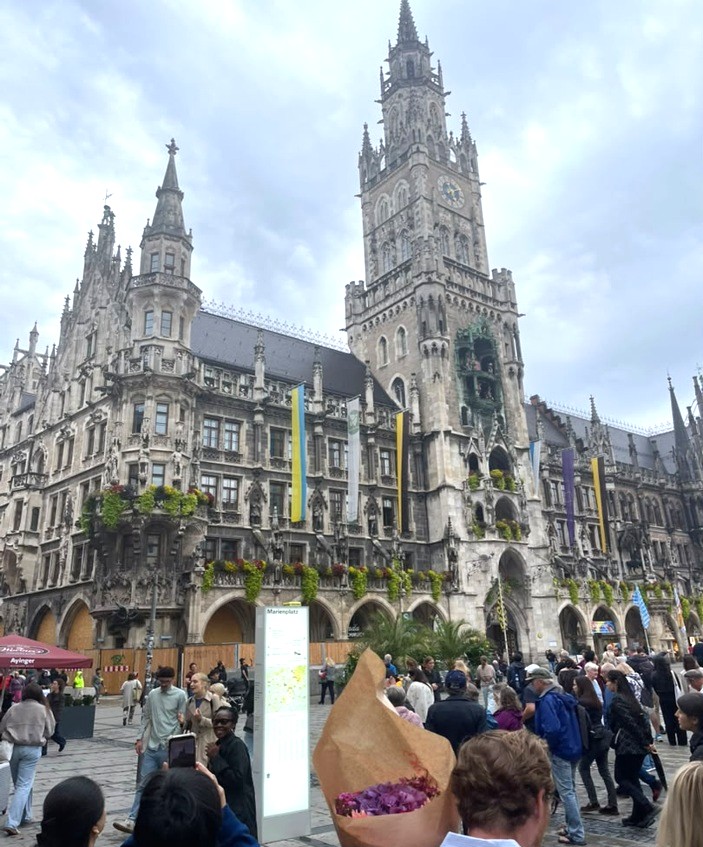
My first impressions of Munich were shaped by the city itself. Walking through the centre, I was struck by its architecture, its movement and its lively atmosphere. There was something strange and fascinating about physically encountering a place I had previously encountered largely through books and historians’ analyses. Ideas that had once seemed distant suddenly had streets, buildings, people and spaces attached to them.
Throughout my stay, I kept thinking about the relationship between history and place. Historians often write about cities as sites where political decisions, conflicts, memory and identity unfold. In Munich, I found myself looking at the city through that lens—but also discovering that a city cannot be understood only through the histories written about it.
You have to walk through it, you have to observe it, and sometimes, you have to let the city challenge what you thought you already knew.
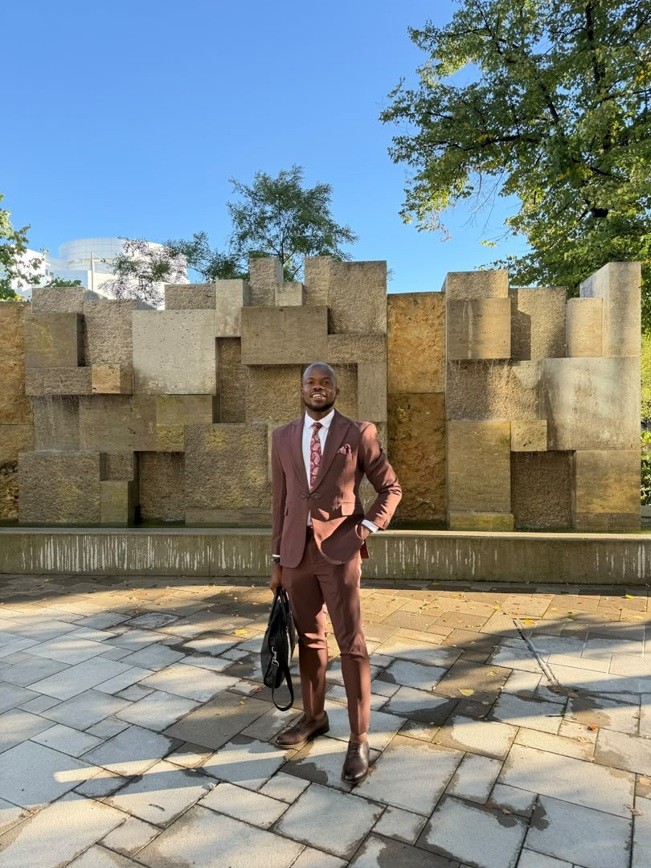
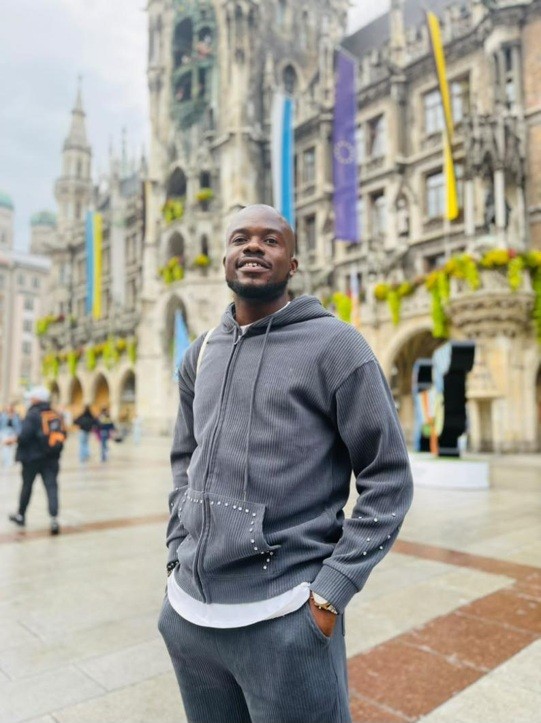
The Moment I Came to Munich For
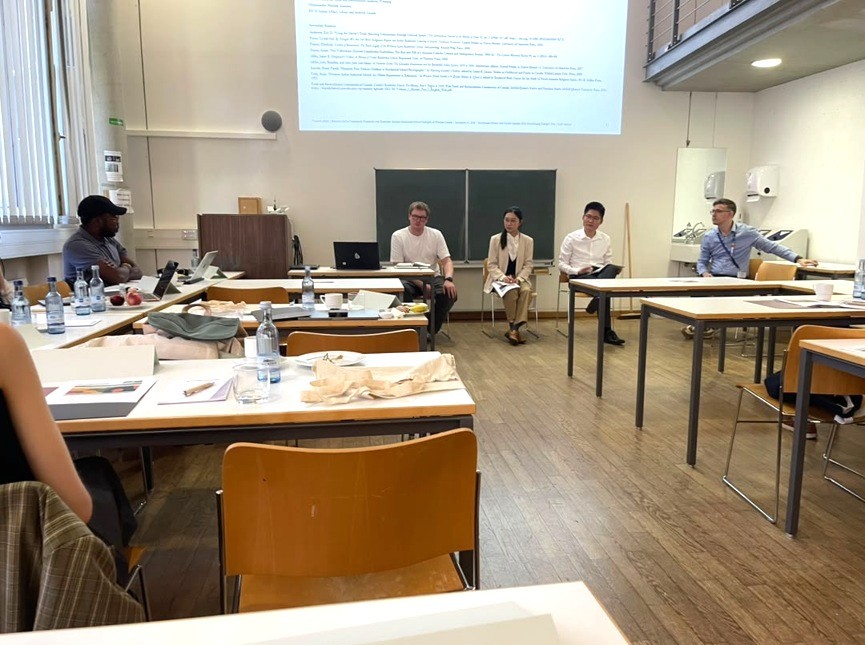
On the first afternoon, the seminar moved into one of its student presentation sessions: “Memory, Monuments, and Reparation.” At 3:45pm, it was my turn to present.
I presented my paper: “Decolonising Europe’s Imperial Memory: Reparations, Historical Justice, and the Reconfiguration of Europe–Africa Relations.” The paper examines the gap between Europe’s increasing recognition of colonial injustice and the question of whether that recognition has produced continuing institutional and constitutional responsibilities. My central argument is that responsibility should not be understood as inherited individual guilt, but as inherited institutional responsibility.
The research brought together questions of memory, reparations, historical justice and constitutionalism. It examined cases including Germany and Namibia, Belgium and Congo, the Benin Bronzes, and the wider African and CARICOM reparations agenda.
One of the ideas I brought into the presentation was a progression:
Remember → Recognise → Repair → Institutionalise → Constitutionalise.
For me, this captures an important question: when does remembering the past stop being an act of commemoration and become a continuing responsibility for institutions? But presenting the paper in Munich made me realise something else. A paper is never really finished when you leave the page. Once you put an argument in front of people from different academic and national backgrounds, it becomes a conversation.
The questions, observations and perspectives that followed my presentation pushed me to think about my argument beyond the way I had originally framed it. The experience reminded me that research develops not only through reading and writing, but also through listening. That was perhaps one of the most valuable parts of presenting in Munich.
I had travelled there with an argument. I left the room with more questions. And I think that is exactly what a good academic conversation should do.
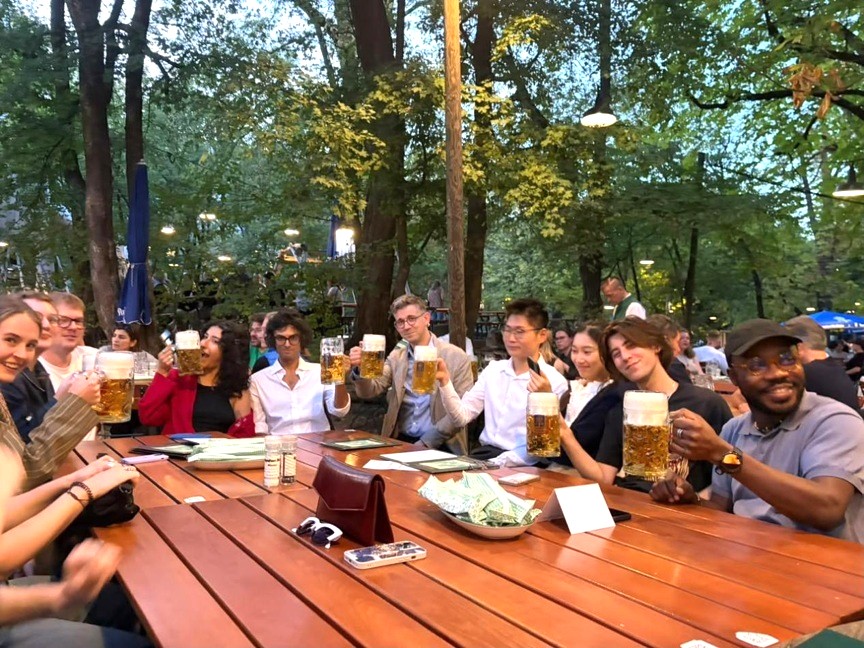
When the Dinner Table Became Another Classroom
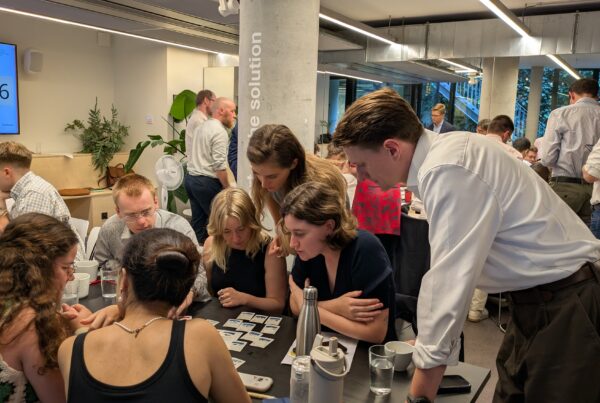
Some of my favourite moments in Munich did not happen in the seminar room at all. They happened around dinner tables. The Europaeum programme brought participants together for group dinners, and these became informal spaces where conversations continued long after the academic sessions had ended. We didn’t just talk about research, universities, history and politics, but we also talked about life. We talked about where we came from, where we hoped to go, our experiences studying abroad, our interests outside academia and the strange experiences that come with being students trying to understand a complicated world.
What I enjoyed most was the diversity of perspectives. People came from different universities, disciplines and intellectual traditions. Some were historians, others worked across anthropology, literature, education, art history and international relations. Yet around the dinner table, those disciplinary boundaries seemed to disappear. A conversation could begin with colonial memory and somehow move into everyday life. A discussion about archives could become a conversation about identity. A question about European history could lead to an entirely different discussion about how we understand ourselves today. The dinner table became another classroom—but a different kind of classroom.
There were no slides. No presentation titles. No formal questions from the audience. Just people, experiences and ideas.
Meeting Africa in a European Museum
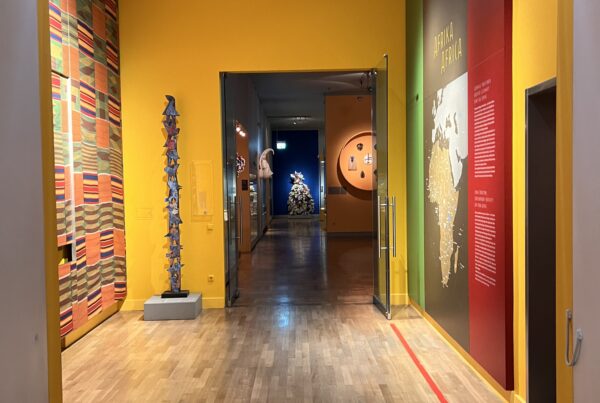
The following day, we visited the Museum Fünf Kontinente as part of the seminar’s afternoon programme. This was one of the moments when the theme of the seminar became particularly tangible for me. Inside the museum, I encountered artworks, objects and historical references connected to different parts of the world, including Sub-Saharan Africa. I was particularly struck by the references and objects connected to places such as Nigeria and Cameroon.
Standing in front of these objects made me think differently about the language we use when discussing museums and colonial memory. An object displayed in a European museum is not simply an object. It can carry a history of movement. It can carry a history of encounter. It can carry questions about who collected it, under what circumstances, how it travelled, who has the authority to interpret it and where it belongs today. These questions connected directly with the issues I had explored in my own research. My paper argues that decolonising imperial memory requires more than remembering colonialism. It requires us to reconsider how colonial histories continue to shape institutions, cultural ownership, education and relations between Europe and Africa. The museum therefore became more than an excursion.
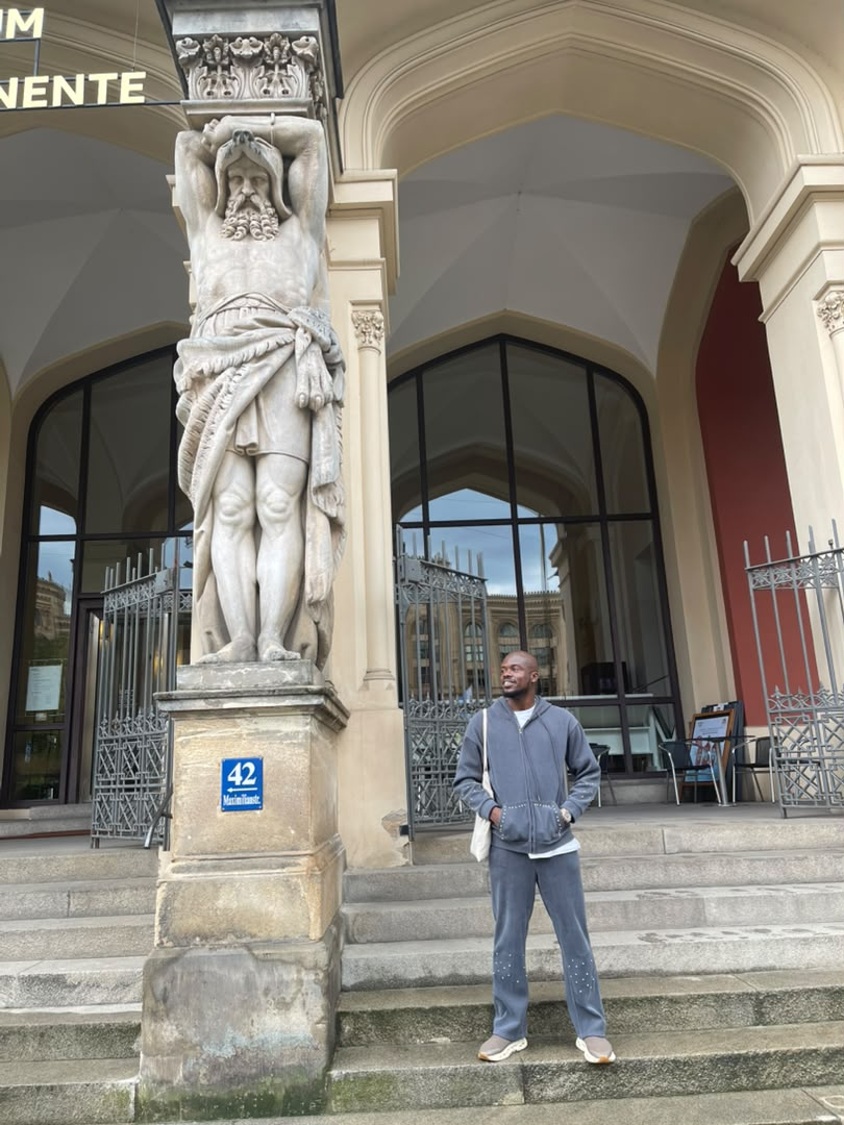
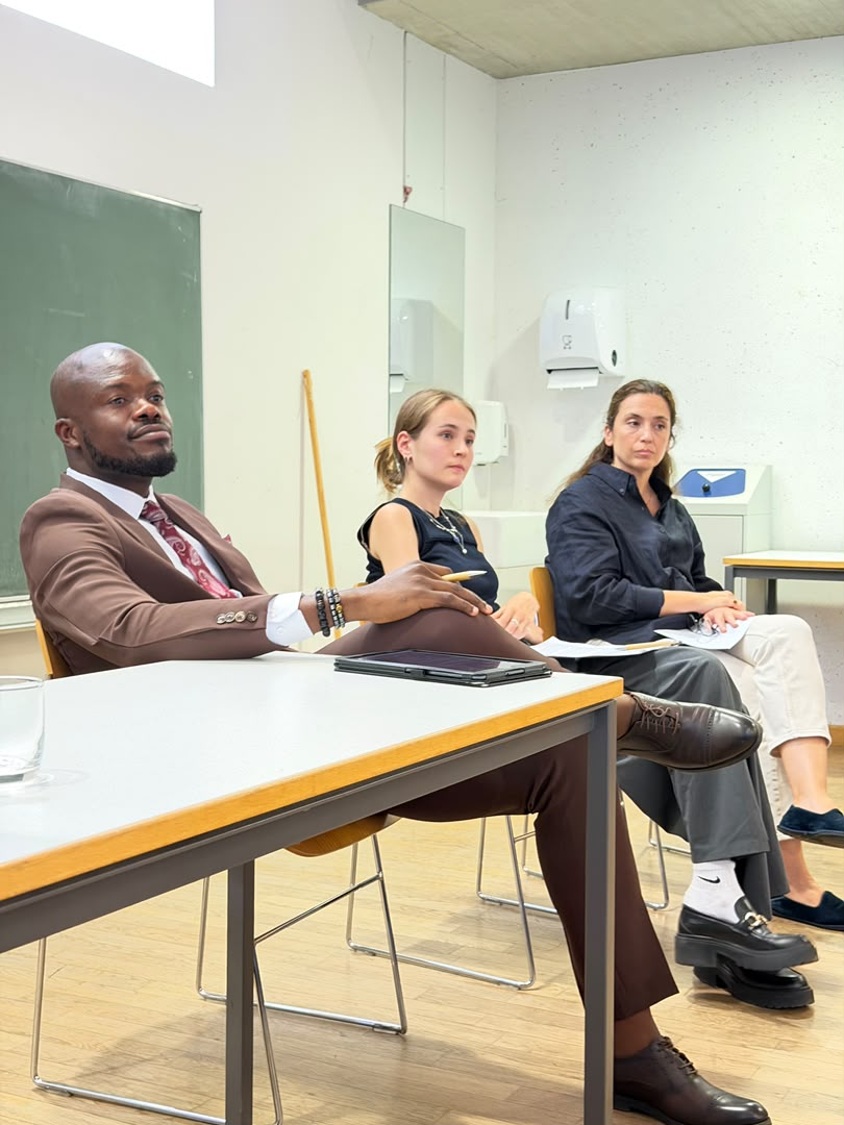
It became another way of asking the question:
When Other People’s Questions Became Part of My Learning
One of the most rewarding aspects of the seminar was meeting the other participants. I met people whose intellectual interests were very different from mine, but whose questions often helped me see familiar issues from unfamiliar angles. There was something refreshing about being in a room where everyone was deeply interested in the past, but nobody approached it in exactly the same way.
Some questions were historical. Some were political. Some were cultural. Some were personal. And some challenged the assumptions behind the questions themselves.
That diversity reinforced something I have increasingly come to appreciate about academic communities: sometimes the most valuable thing another researcher gives you is not an answer, but a better question.
From Archive to Practice
The final day of the seminar turned explicitly toward “Decolonial Practice: Archive, Pedagogy, and Self.” The programme explored how research into Europe’s imperial past can move beyond academic interpretation and into practice.
What do we do with what we now know?
That question returned me to my own research.
In my paper, I argue that remembering empire without allowing that memory to influence institutions, law, education, cultural ownership and relations with Africa risks turning remembrance into symbolic closure. Munich made that argument feel less abstract. It showed me that decolonisation is not simply about changing the way we describe the past. It is also about considering how our understanding of that past might change the present.
Munich Beyond the Seminar
Of course, Munich was not only about presentations and museums. There were walks through the city. There were conversations between sessions. There were moments of simply observing people and places. There was the experience of discovering a city that I had previously encountered mainly through academic literature.
These moments mattered because they reminded me that academic travel is also personal. You arrive with an academic purpose, but the experience inevitably becomes larger than the research question that brought you there.
You meet people. You encounter places. You discover unexpected interests. You reconsider assumptions. And somewhere between the formal programme and the informal moments, the experience becomes your own.
What Munich Changed for Me
When I left Bologna, I thought I was travelling to Munich to present a paper about decolonising Europe’s imperial memory. When I left Munich, I felt that I had gained a more complicated understanding of what that phrase means. I now think of decolonising Europe’s past not simply as correcting historical narratives, but as creating space to ask difficult questions about memory, power, representation, responsibility and institutional change. It means looking at European history while also asking how Europe’s history has been experienced beyond Europe. It means recognising that the past does not disappear simply because colonial administrations disappeared. And it means being willing to examine not only what has been remembered, but also what has been forgotten, excluded or left unresolved. My own research proposes moving from imperial memory toward constitutional responsibility: not constitutionalising guilt, but institutionalising responsibility. After Munich, I understand that distinction more clearly.
What Stayed With Me
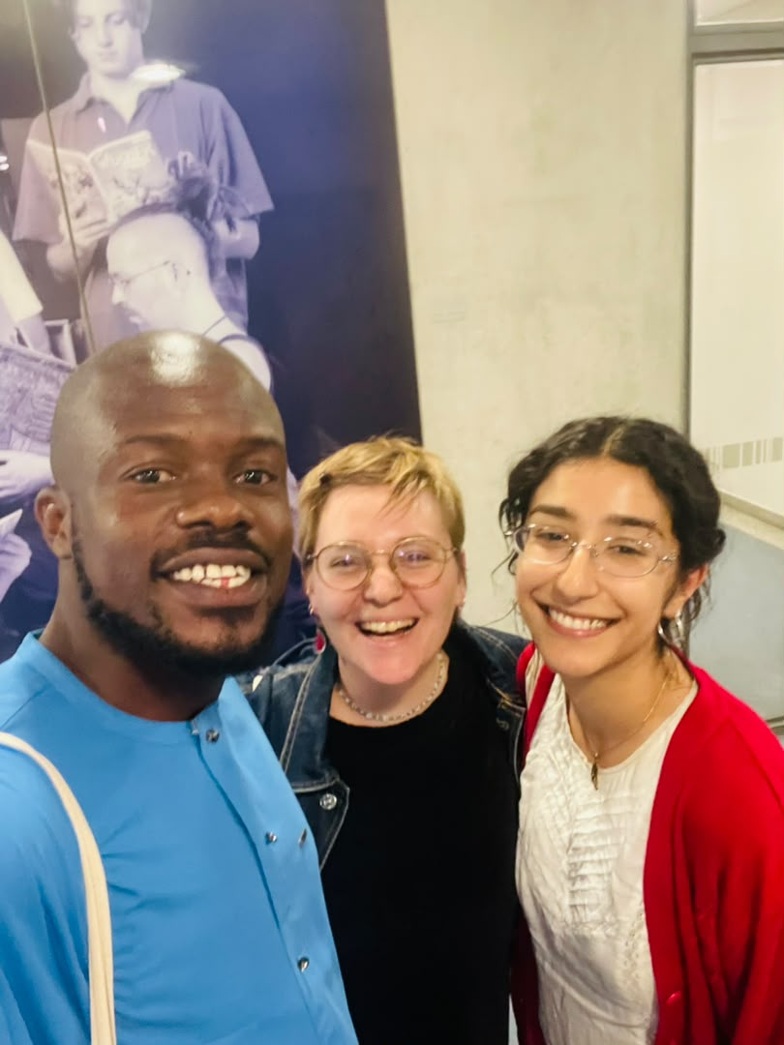 The most memorable part of Munich was not one lecture, one building or even one museum. It was the combination of all of them. It was standing in an LMU classroom and presenting research that I had spent months developing. It was hearing questions from people who approached the same historical problems from completely different perspectives. It was sitting around dinner tables and discovering that intellectual exchange does not stop when a seminar ends. It was standing in a museum and looking at objects connected to African histories through a new lens.
It was walking through Munich and watching the city I had read about in books become a lived environment. And it was realising that history becomes much more complicated—and much more meaningful—when you allow different voices to enter the conversation.
I arrived in Munich with a paper. I leave with new questions. And perhaps that is what I will remember most about the Europaeum History and Classics Seminar 2026: it did not simply give me another place to present my research. It gave my research another place to grow.