 About the author
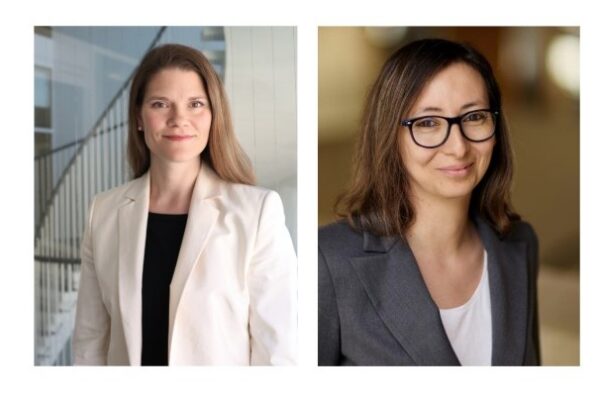
Esther Zitterl is a PhD in English student at University of St Andrews. In addition, Esther is currently a Europaeum School: Future Leader of Europe in our 2026/27 cohort.
Esther’s Travel Diary
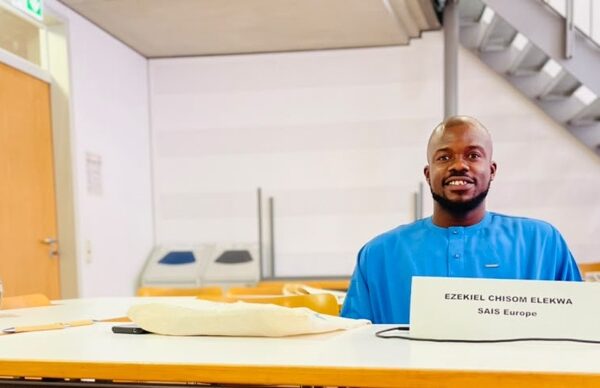
 One evening, after a particularly eventful day in Munich, Gbénga told me about greetings. In Yoruba, he explained, there are a myriad of different ways to say hello. The words change with where you meet someone, over a meal or on a walk, and with what they are going through. A woman who has just given birth is greeted in a way that honours the pain she has endured and the life she has brought into the world. A greeting, in other words, is never only a greeting. It is a small act of recognition: I see where you have come from, and what you carry.
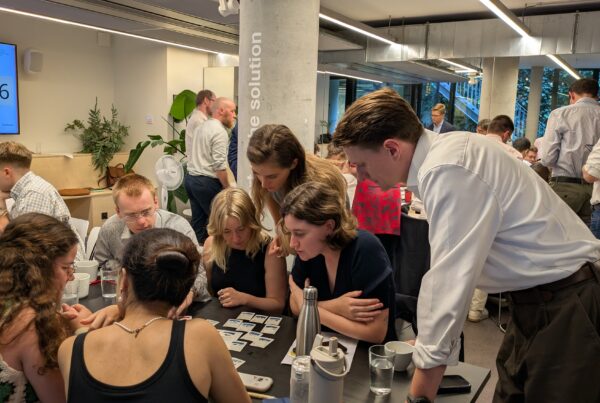
I have thought about that conversation often since, because I believe it captures in miniature what our three days at the Europaeum History and Classics Seminar were about. Sixteen of us from ten different universities came to LMU Munich to discuss “Decolonising Europe’s Past.” Again and again, we came back to similar questions, albeit in slightly different keys: what do we call things, how do we construct identities and nations, and in doing so, what is acknowledged and recorded, what is left out, and why?
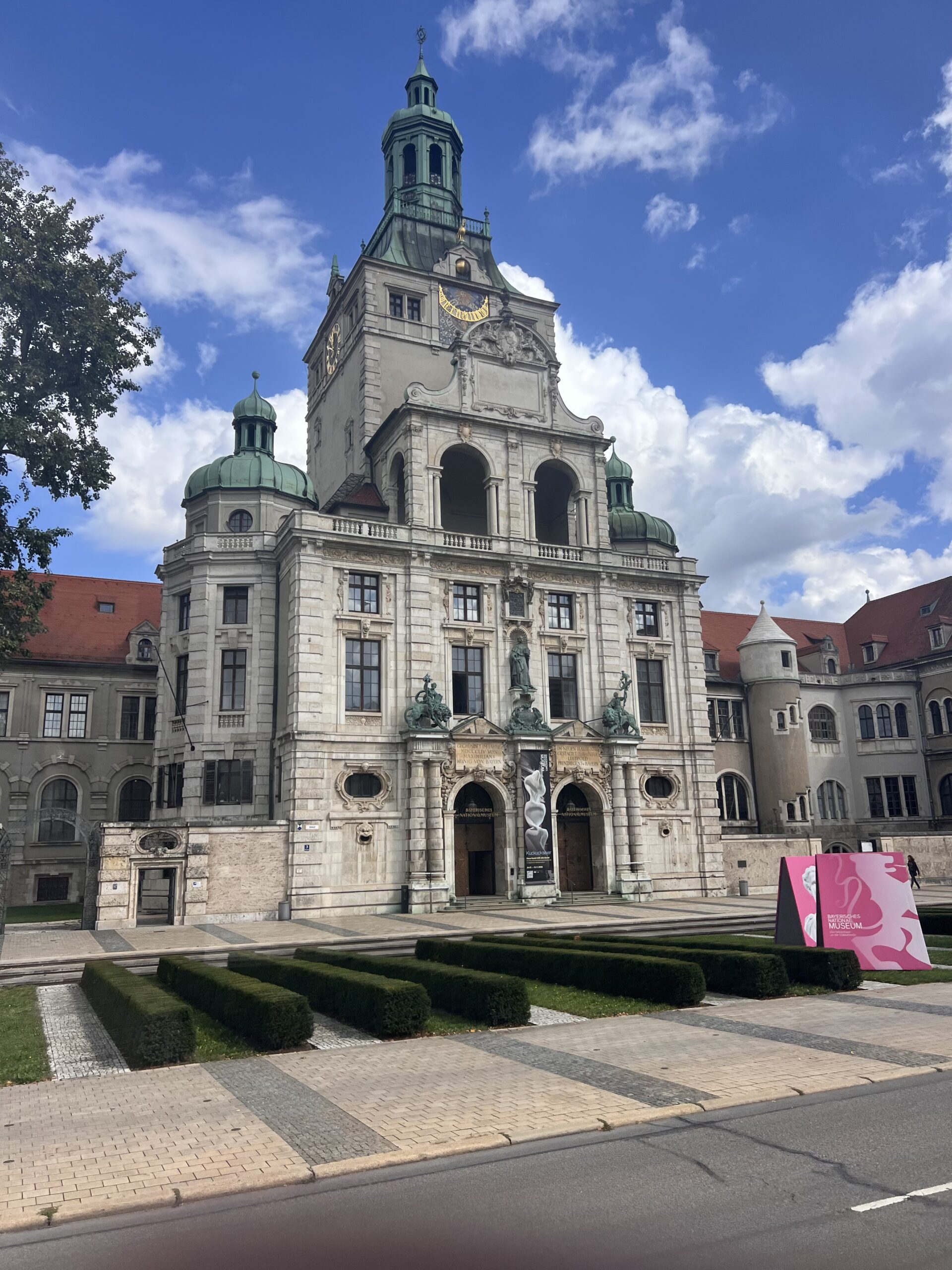
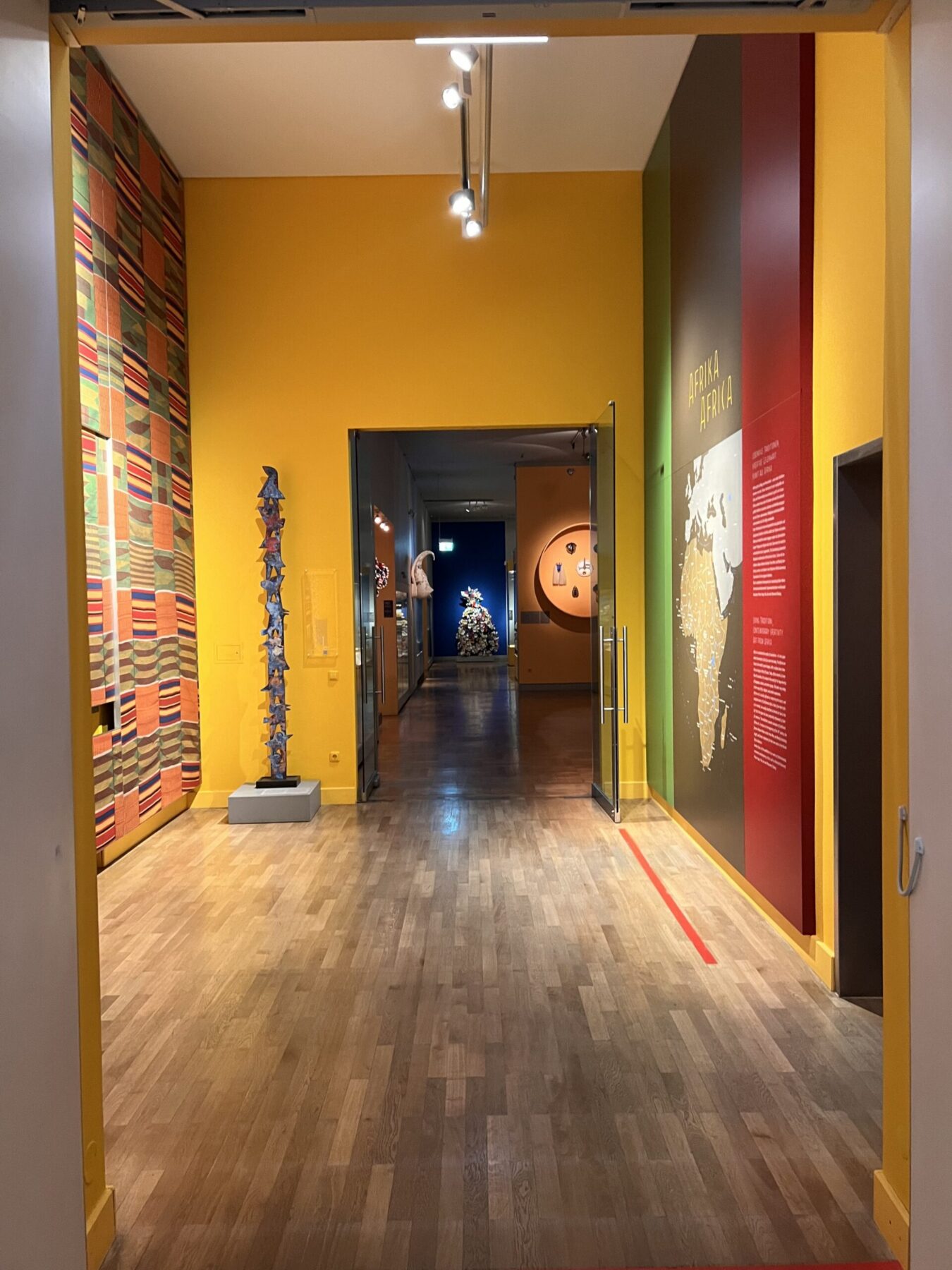
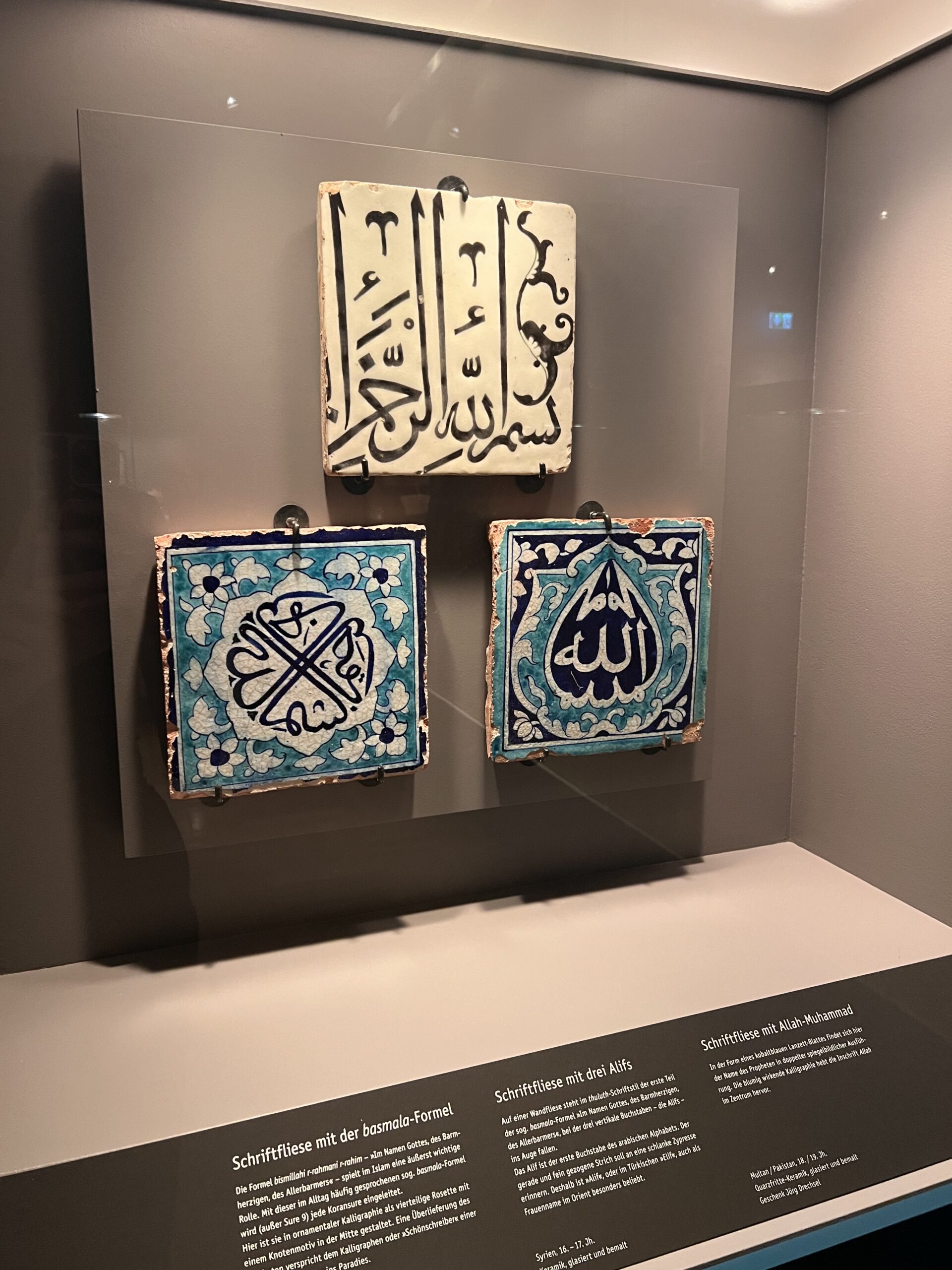
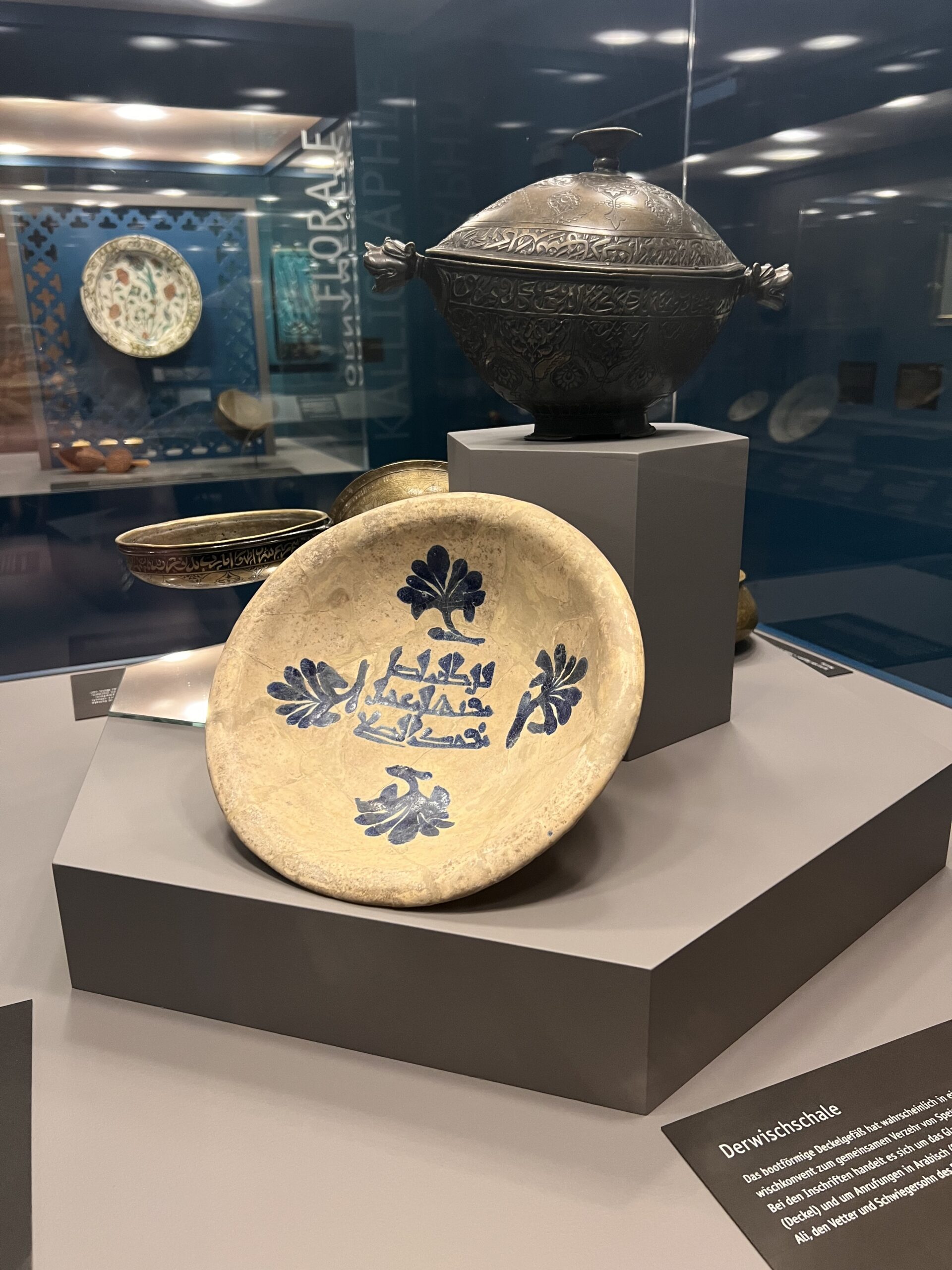
 The Museum Fünf Kontinente offered a particularly interesting perspective on this. The building itself has had many names. Built as the Bavarian National Museum, it served as the first home of the Deutsches Museum, became an ethnological museum in 1926, and took its current name only in 2014. Its objects – not entirely dissimilar to the participants in the seminar – carry journeys of their own, and Dr Richard Hölzl, the museum’s provenance researcher, told them as stories. When he explained how a temple bell from Rangoon came to hang in Munich, our questions quickly moved from how did it get here? to what do we call it now? Is it an acquisition, loot, or a trophy? A museum label might look neutral at first glance, when, in reality, it is anything but. Like any description, it is necessarily incomplete, and in selecting certain pieces of information, it tells a story, a version, a certain truth.
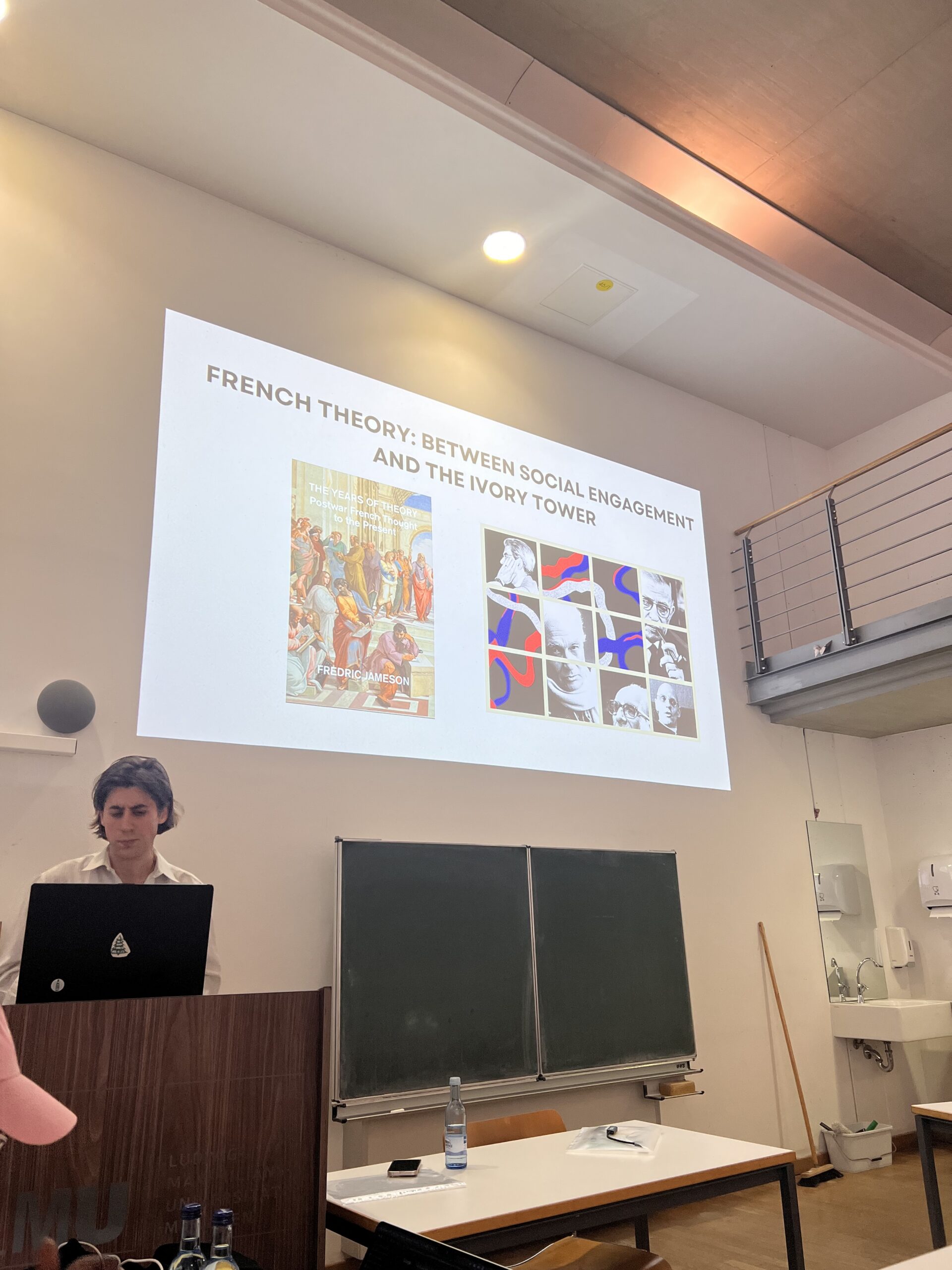
In a world that likes its answers easy, this seminar – wonderfully, strangely, frustratingly – refused to give us that cheap satisfaction. Instead, it asked us, in the best possible way, to sit with complexity, and reminded us of its importance. Historians, classicists, literary scholars, art historians and anthropologists each arrived with their own analytical toolkit and critical vocabulary, and part of the work was simply learning to translate between them. In my own paper, I read Linton Kwesi Johnson’s poem “Di Great Insohreckshan” against the official record of the 1981 Brixton uprising, showing, through a poetic counter-history, how and why what we call things – a riot, an insurrection? – matters.
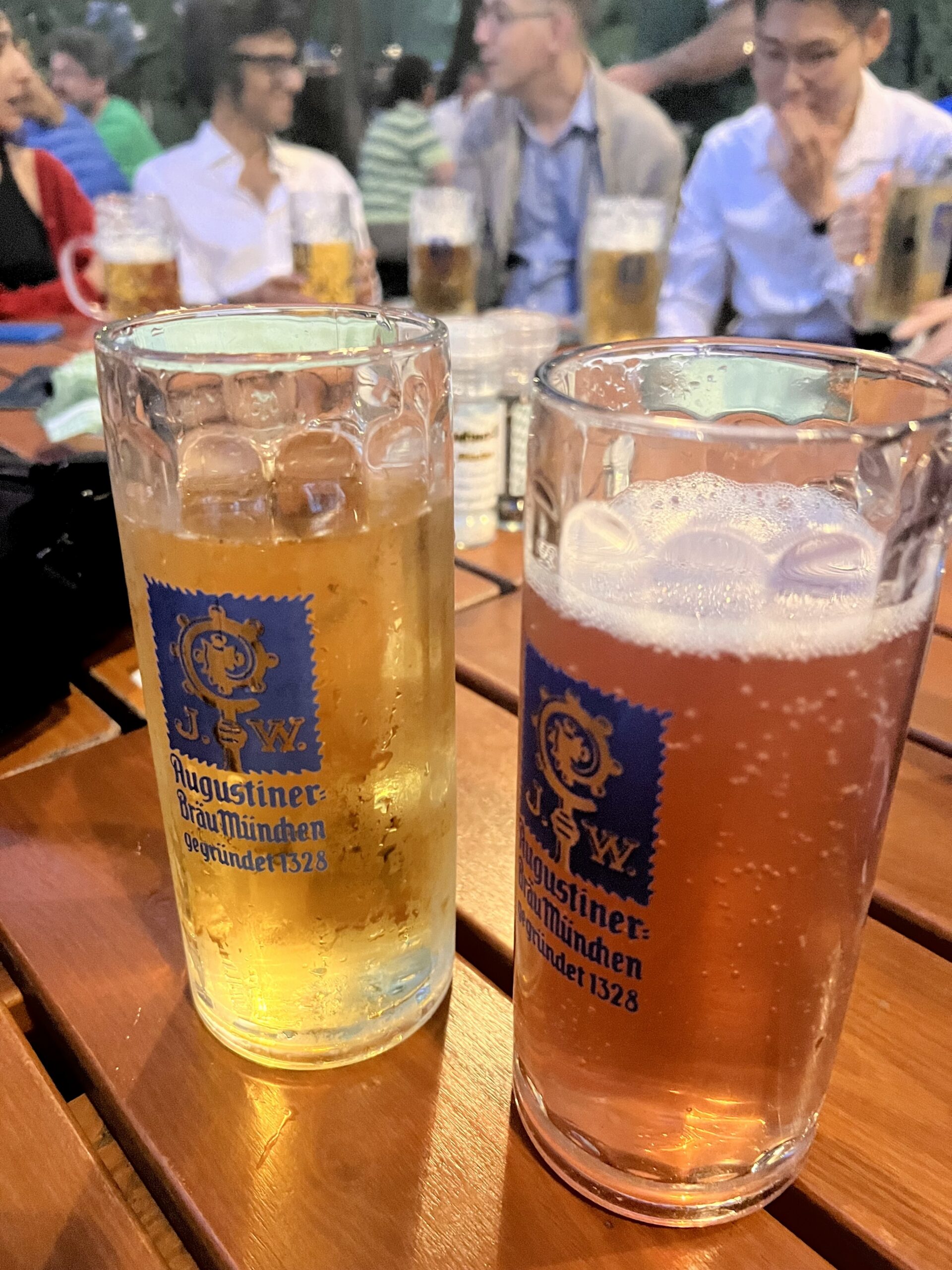
The contributions from my fellow participants were outstanding, which is to say that they were thought-provoking, creative, and incredibly diverse. Yet many of the best conversations happened in between: over coffee, after panels, and over a beer at the Augustiner-Keller which was a cultural experience in and of itself. During these little pockets of time, we talked about connections between our research and, perhaps more importantly, about the fruitful tensions between our approaches.
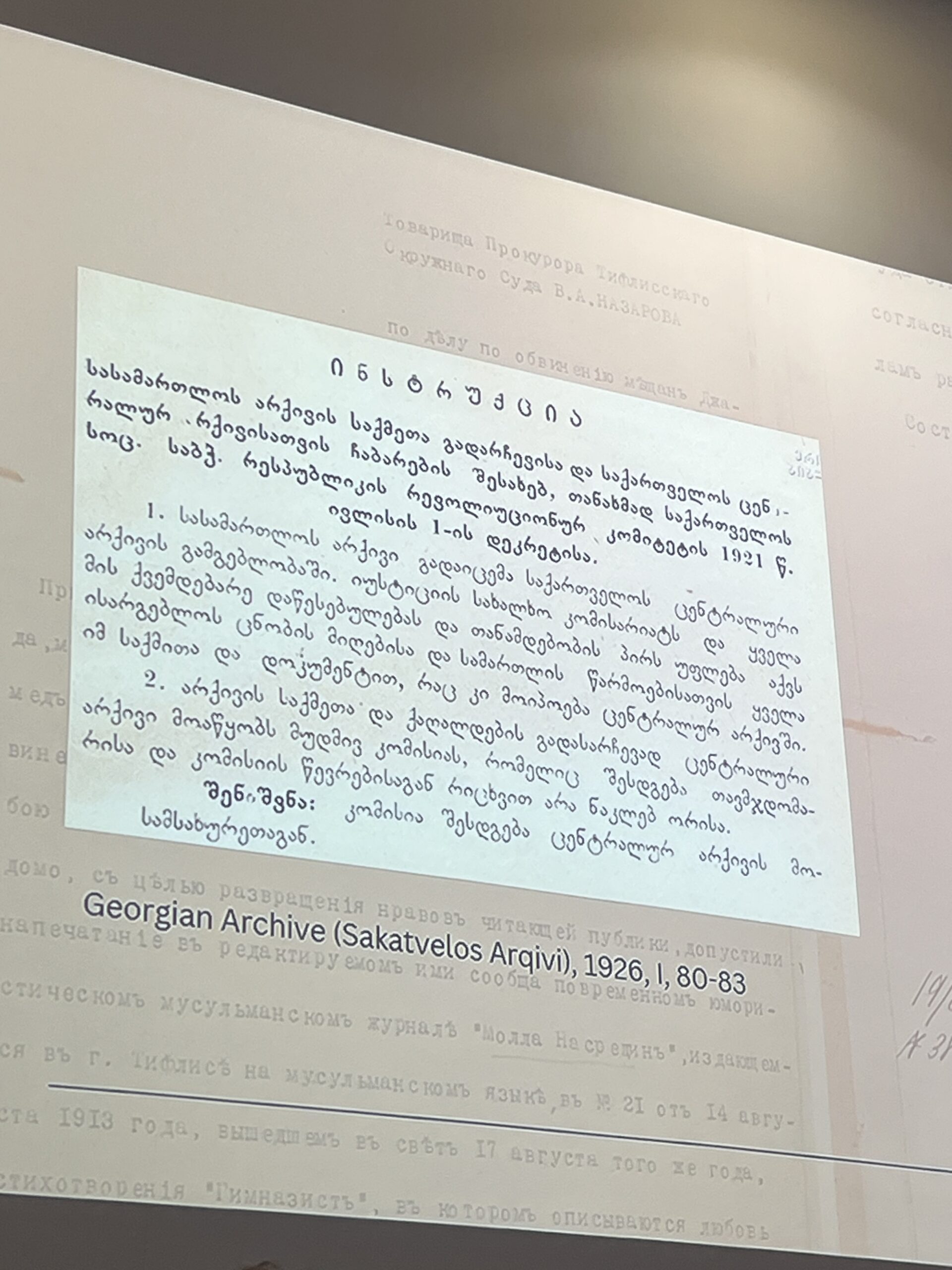
Catching up with my fellow Europaeum Scholar Alina, we thought hard about what decolonising means in different contexts. Beatrice told me how the Greek photographer she studies had shown her an Athens she had never known, despite growing up there. Anna and I compared the academic systems that had shaped us (hers in Russia, mine in Vienna and Paris, both of ours now in the UK) and talked about what it means to research, and to name things, in a language that isn’t your own.
After Quin’s paper, a brief exchange about autocritique and autotheory, and Hazel Carby’s Imperial Intimacies, revealed a connection between our projects that neither of us had expected. Viola told me about applying for Polish citizenship as a child. To establish whether she had been raised Catholic or Orthodox, officials asked how her family celebrated Christmas: which dishes her mother cooked and how the house was decorated. Belonging, it turned out, could be tested at the dinner table. It is a small story, but it goes to the heart of what my own research, looking at post-Windrush literature, asks: who gets to name whom as belonging, and on what terms?
On the last evening, Gbénga, Viola and I walked home from dinner deeply entangled in conversation. We talked about community and third spaces, and about how a hyper-individualist society can cut us off from our most basic social needs and then sell them back to us as something to be booked and paid for. It was the kind of conversation that cannot be planned or scheduled or – God forbid – had online. It only happens in person, after several days of thinking hard alongside the same people in an environment that fosters exchanges beyond the expected. To me, these conversations are the heart and soul of events like this.
I came to Munich straight from the Europaeum Scholars’ Programme module in Brussels, and the two could hardly have been more different in scope and intent. But the spirit was the same. In both, diversity of universities, countries, cultures and backgrounds is not a box to tick. It is the method, and one integral to the very setup of seminars like this. It is what makes the tensions fruitful rather than divisive, and what builds the skills our world needs most: patience, diligence, unquenchable curiosity, and a willingness to have one’s ideas tested and, perhaps most beautifully of all, to come away changed.
By the last day, we had swapped phone numbers, LinkedIn profiles and Instagram handles, and promised to visit and to carry on the conversations we had started. After all, networks like this are built one conversation at a time. I don’t know whether Yoruba has a greeting or word for that particular moment, when people who arrived as strangers part as something more. I suspect Gbénga would know. What I do know is that we said goodbye in Munich the way you do when you fully intend to say hello again.